After years of uncertainty and a long-awaited admission from CEO Elon Musk that Hardware 3 (HW3) vehicles will never achieve unsupervised Full Self-Driving (FSD), Tesla has delivered a surprising olive branch. In a move that signals a shift toward greater transparency, the automaker is rolling out another massive update specifically for HW3 owners. This development arrives as a welcome reprieve for a community that has felt increasingly left behind in the rapid march toward autonomous driving.
A New Tone and a Critical Feature Drop
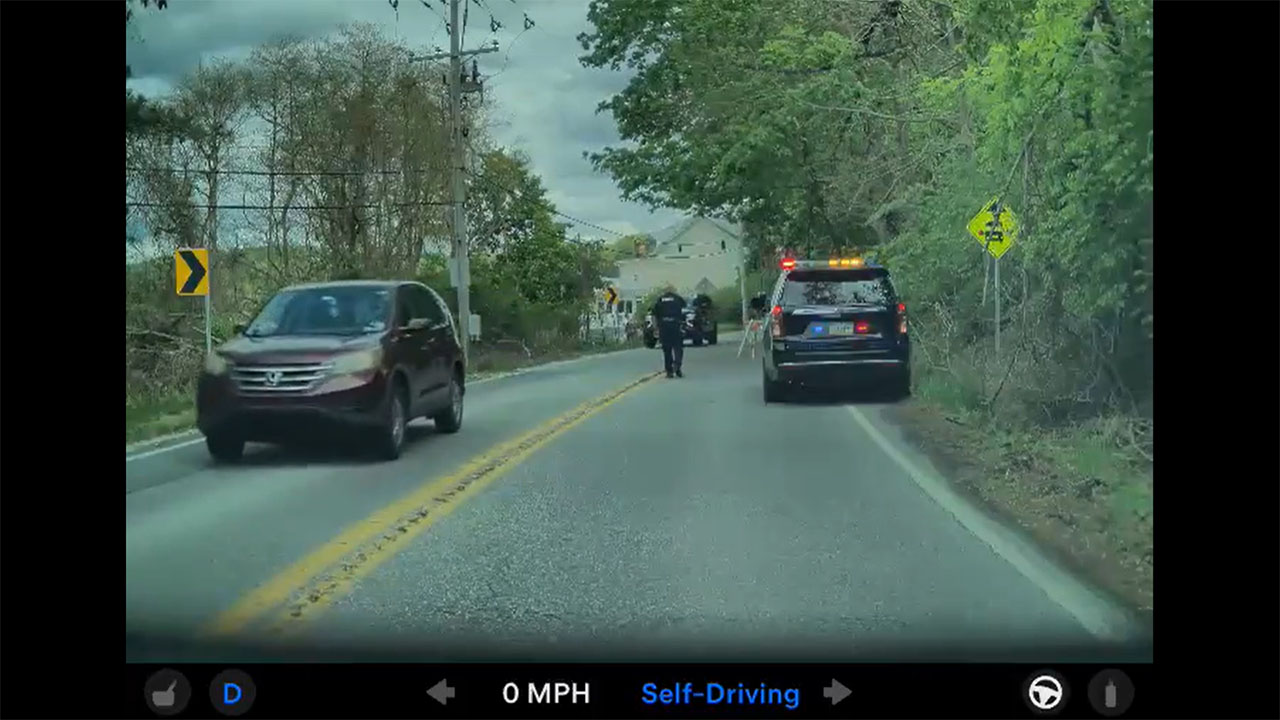
The latest over-the-air (OTA) update is more than just a collection of bug fixes. It represents a fundamental recalibration of Tesla’s relationship with its HW3 customer base. Following Musk’s candid acknowledgment that the 2.5 billion transistor chip in these vehicles lacks the redundancy and processing power for unsupervised operation, Tesla is now compensating with software enhancements. The update includes a significantly improved vision-based parking assistant, refined lane-keeping on unmarked roads, and a more responsive cabin camera monitor for driver attentiveness. This is a direct response to the "at last" sentiment felt by owners who have watched HW4 vehicles receive priority features for months.
Bridging the Gap Between Promise and Reality
For the estimated 1.5 million vehicles equipped with HW3, this update is a strategic pivot. Instead of chasing the elusive goal of robotaxi-level autonomy, Tesla is optimizing what the existing hardware can do safely and reliably. The update leverages the 144 TOPS (Trillions of Operations Per Second) of the HW3 computer to improve existing neural networks, making everyday driving tasks smoother. While these vehicles will never see the promised land of unsupervised FSD, the update ensures they remain competitive and feature-rich. This is a clear admission that while the hardware ceiling exists, the software floor can still be raised.
Implications for Tesla Owners and Investors
For current HW3 owners, the message is one of extended support and improved daily utility. You may not get the full autonomous future, but your vehicle is receiving a significant quality-of-life boost that enhances safety and convenience. For investors, this move is a double-edged sword. On one hand, it demonstrates Tesla’s commitment to customer satisfaction and managing legacy hardware expectations. On the other, it solidifies the narrative that a massive upgrade cycle is inevitable for the HW3 fleet. This suggests a future revenue stream from retrofit programs, but also a cap on the short-term value of used Tesla models equipped with the older computer. The key takeaway is clear: Tesla is managing the transition from promise to practicality, ensuring that even its aging fleet feels the benefit of its relentless software iteration.