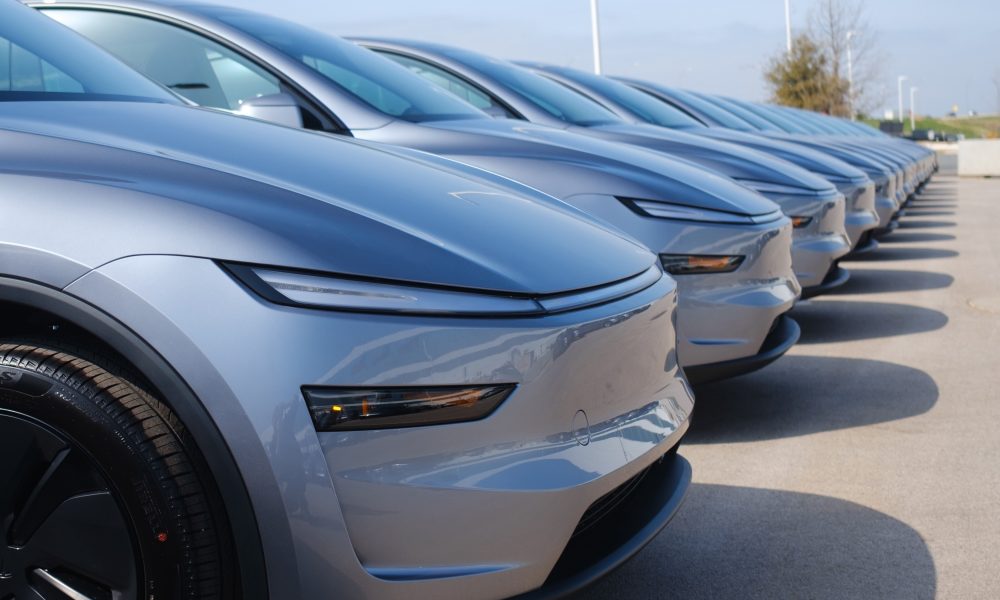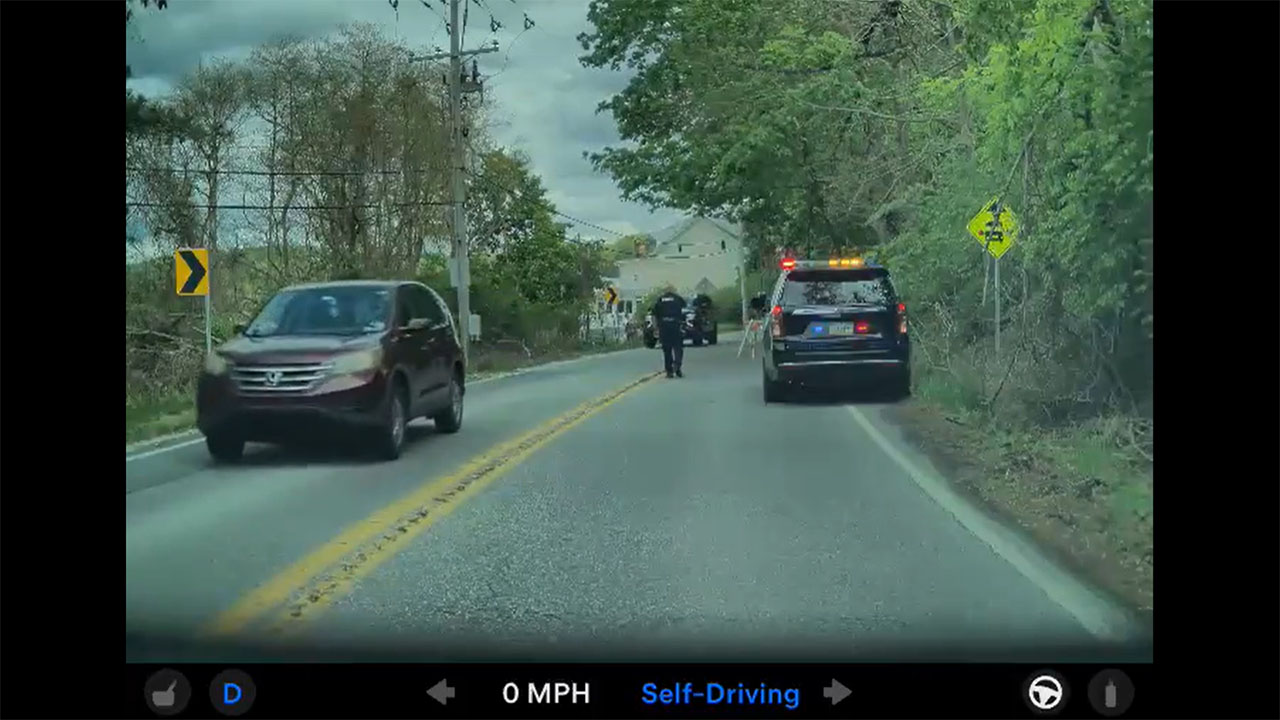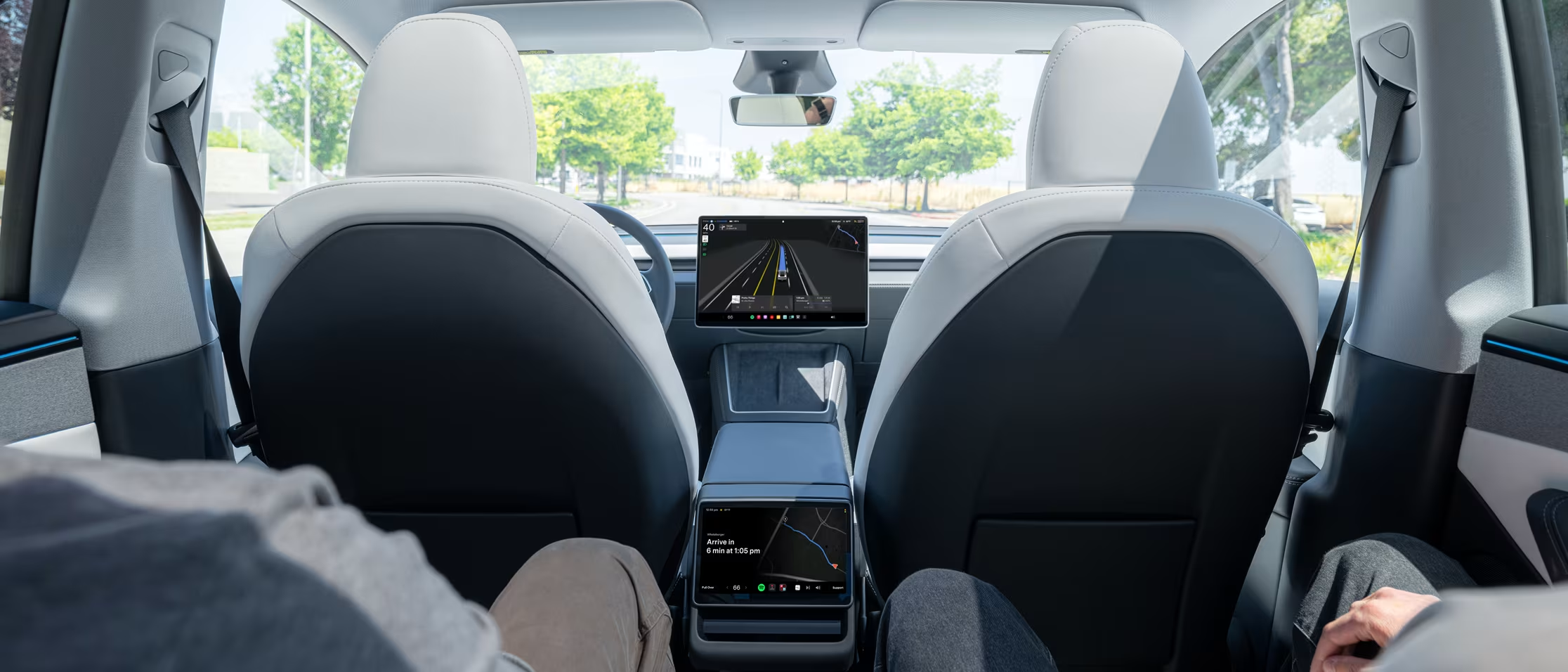
The long-promised vision of a fully autonomous Tesla fleet is accelerating from controlled trial to commercial reality. This weekend, Tesla's controversial but ambitious Robotaxi service has taken its most significant leap yet, expanding its unsupervised ride-hailing network to two major new metropolitan hubs: Dallas and Houston. The announcement, made via Tesla's official Robotaxi account on X, marks a pivotal moment for the company's Full Self-Driving (FSD) technology, moving beyond early adopter cities and into the complex, high-volume traffic environments of Texas.
From Silicon Valley to the Lone Star State: A Strategic Expansion
Tesla's initial Robotaxi operations were confined to select areas, often in fair-weather climates with less congested roads. The move into Texas represents a deliberate stress test. Dallas and Houston present a formidable proving ground with their sprawling urban layouts, aggressive highway traffic, and unpredictable weather. This expansion is not merely about adding cities to a map; it's a bold declaration that Tesla's "vision-only" autonomous system is ready for tougher, more diverse real-world challenges. The service, which allows users to summon a driverless Tesla via the company's app, goes live this Saturday, offering what Tesla claims are fully autonomous rides without a human safety operator behind the wheel.
Navigating the Regulatory and Technological Frontier
This rollout occurs in a unique regulatory environment. Texas has positioned itself as a welcoming home for autonomous vehicle testing, with relatively permissive laws that have attracted numerous AV companies. However, Tesla's approach remains distinct. Unlike competitors using lidar and detailed pre-mapped routes, Tesla relies entirely on its camera-based FSD system and artificial intelligence to navigate in real-time. This expansion will be the ultimate trial by fire for that technology stack. Every successful ride builds the neural network's experience, but any significant incident could attract intense scrutiny from both safety regulators and a skeptical public still wary of driverless cars.
The financial and operational model is equally revolutionary. Tesla is not just a manufacturer selling cars; it is becoming a mobility service operator. Each Robotaxi in Dallas or Houston represents a potential revenue-generating asset, theoretically capable of earning money for the company—and eventually for owners—around the clock. This aligns directly with Elon Musk's repeated valuation argument for Tesla: that its worth should be viewed through the lens of a future fleet of autonomous vehicles, not just today's auto sales. The success of this Texas launch is a critical data point for that entire thesis.
Implications for Owners and the Market
For Tesla owners, especially those with FSD-capable vehicles, the expansion is a tangible step toward the long-awaited promise of turning their cars into income-generating "robotaxis." While a personal vehicle participation program is not yet active, this commercial service demonstrates the underlying technology's progression, potentially increasing the residual value of equipped cars. For investors, the move de-risks the Robotaxi narrative slightly, proving operational scalability. However, it also raises the stakes; any major setbacks in these high-profile markets could severely impact consumer trust and stock valuation. As the fleet logs its first unsupervised miles in Texas, the world will be watching to see if this is the true dawn of scalable autonomy or another chapter in its complex evolution.