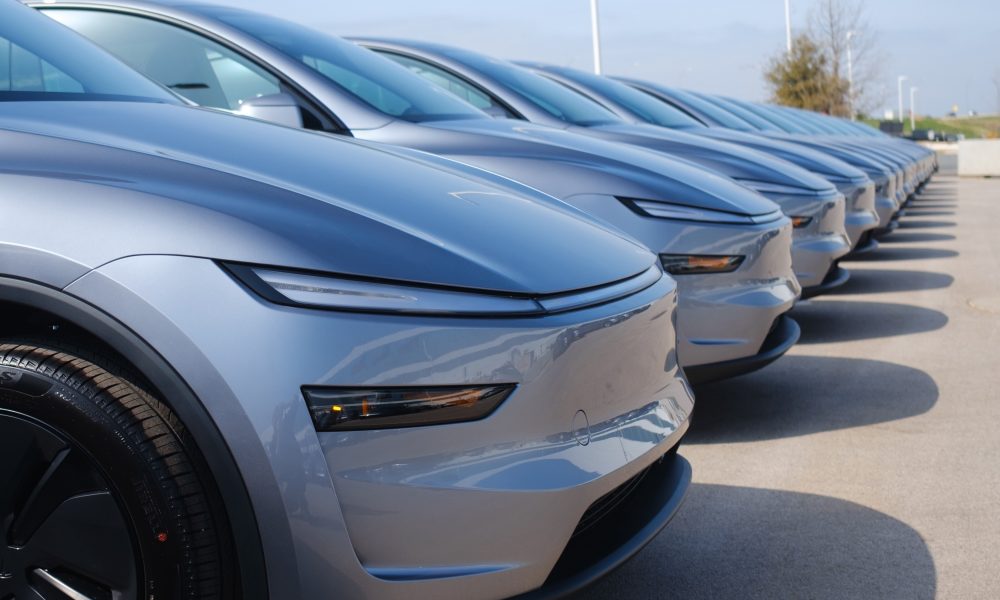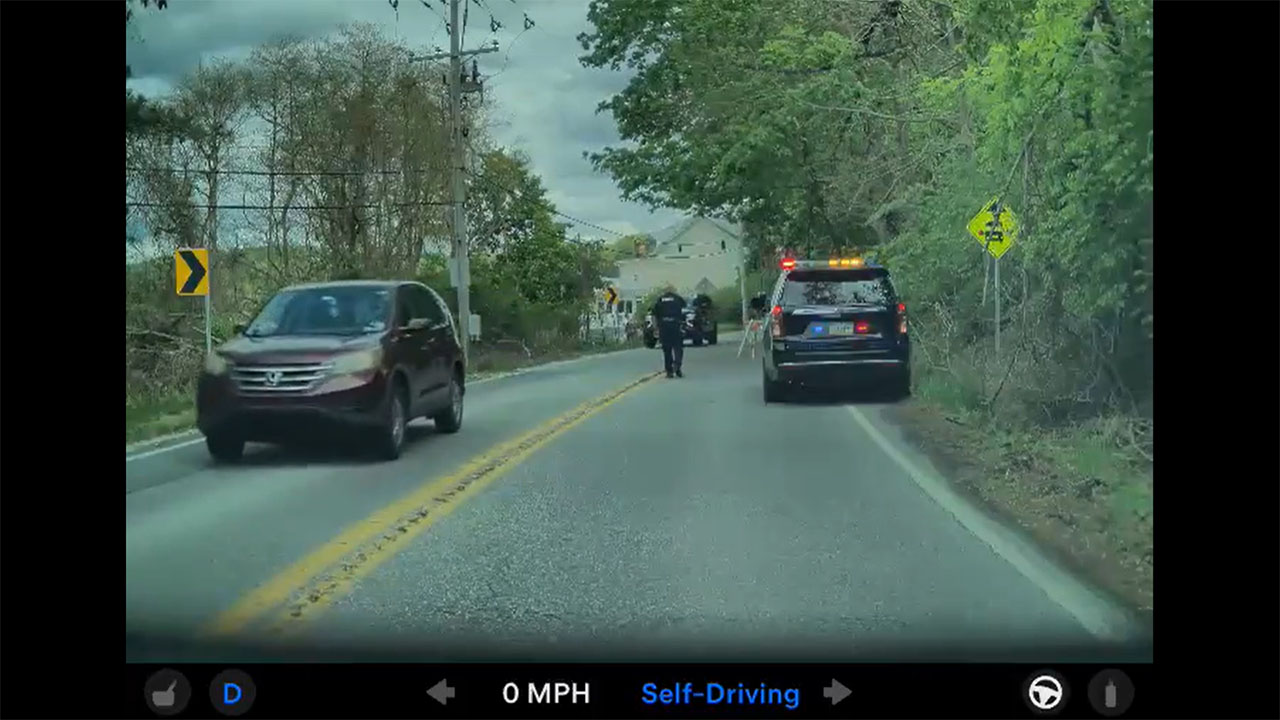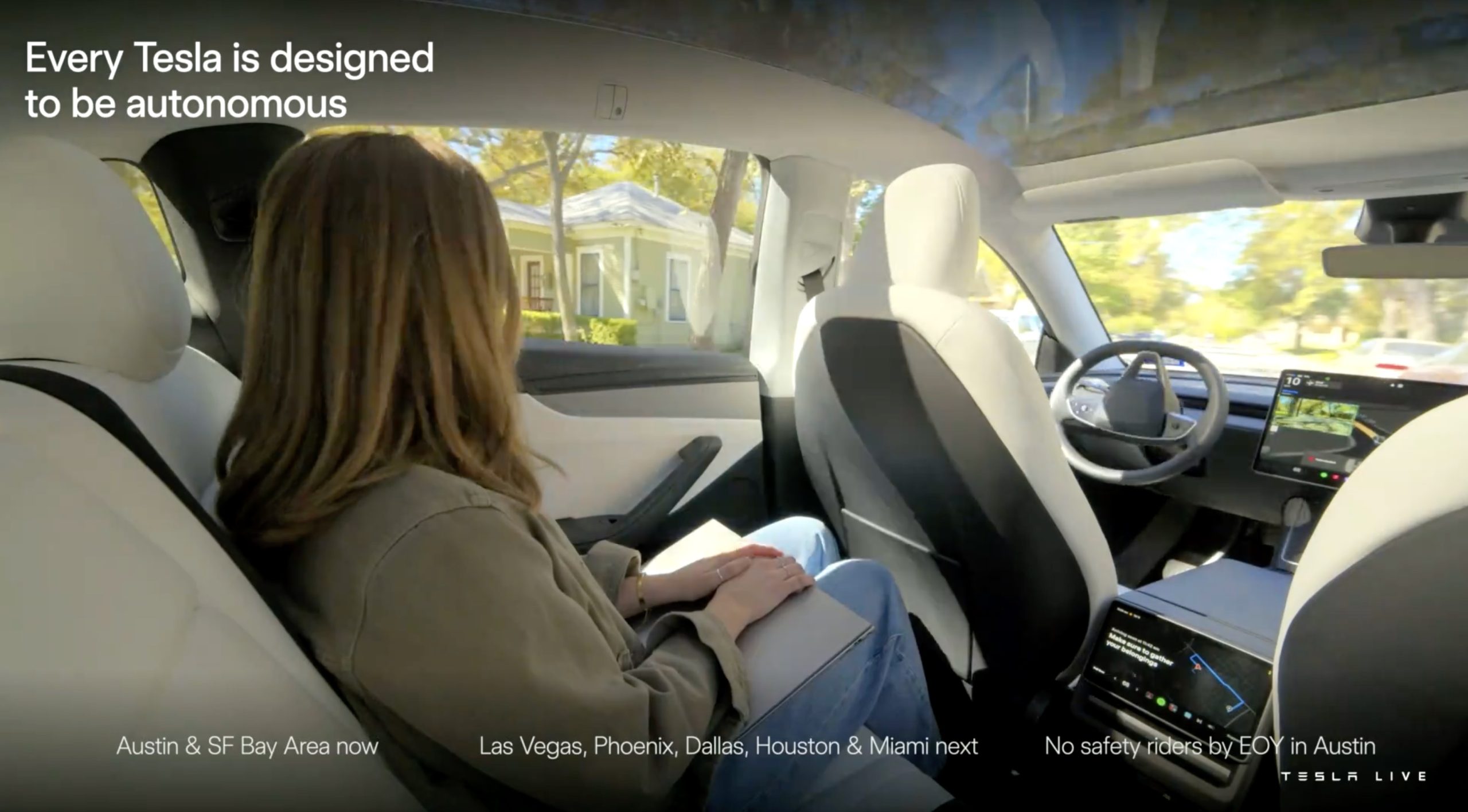
While the world awaits the official unveiling of Tesla's dedicated Robotaxi vehicle on August 8th, a deep dive into the supporting software reveals the company is methodically building the commercial backbone for its autonomous ride-hailing future. A decompilation of the latest Tesla Robotaxi app, version 26.3.0, has uncovered significant new functionality, most notably the integration of popular digital wallets. This critical update signals that Tesla is moving beyond the conceptual phase and into the practicalities of operating a seamless, user-friendly service.
Digital Wallets Pave the Way for Frictionless Payment
The most consequential discovery in the app's code is the explicit support for Apple Pay and Google Pay. This integration is far more than a convenience feature; it is a foundational element for any mass-market mobility service. By allowing users to pay with a single tap using their existing, trusted digital wallets, Tesla removes a significant point of friction—the need to manually enter payment details for every ride. This move aligns with the broader EV and tech industry's push towards completely cashless and cardless transactions, ensuring the Robotaxi experience is as streamlined as summoning the vehicle itself.
App Refinements Hint at a Polished User Experience
Beyond payments, the decompiled code points to substantial user interface improvements aimed at clarity and control. The app appears to offer riders detailed information upfront, including trip duration, estimated cost, and the vehicle's license plate number. Furthermore, evidence of features like trip history and receipt management suggests Tesla is building a comprehensive post-ride ecosystem. These are not the hallmarks of a bare-bones prototype app but of a consumer-grade product designed for daily use, indicating a sophisticated level of planning for the service's operational launch.
The timing of these backend developments is particularly telling. With the Robotaxi "Cybercab" reveal just months away, Tesla's software teams are clearly working in parallel to ensure the digital infrastructure is ready. The addition of payment processing and a polished UI transforms the Robotaxi from a futuristic concept into a tangible service with a defined commercial mechanism. This dual-track development of hardware and software is a classic Tesla strength, demonstrating a systems-level approach to autonomy that goes far beyond just the self-driving technology itself.
Implications for the Tesla Ecosystem
For Tesla owners and investors, these findings are a strong positive signal. They validate that the Robotaxi project is progressing on multiple, concrete fronts. A functional, easy-to-use app with robust payment systems is essential for generating revenue from the autonomous fleet, a key pillar of Tesla's long-term valuation thesis. For future users, it promises a familiar and hassle-free experience that could accelerate adoption. As August 8th approaches, these software leaks reinforce that Tesla is not just building a car, but an entire, integrated mobility platform poised to redefine urban transportation.