Tesla has officially re-entered the residential solar arena with a powerful one-two punch, announcing a new high-efficiency solar panel and a proprietary mounting system designed to slash installation times. This move signals a decisive shift from the company's previous, often turbulent, solar strategy, pivoting from the acquisition-heavy SolarCity model to a product-focused, vertically integrated approach. By tackling the core industry challenges of cost, complexity, and aesthetics head-on, Tesla is positioning itself not just as an EV maker, but as a comprehensive clean energy ecosystem provider for the modern home.
The Hardware: A Leap in Power and Design
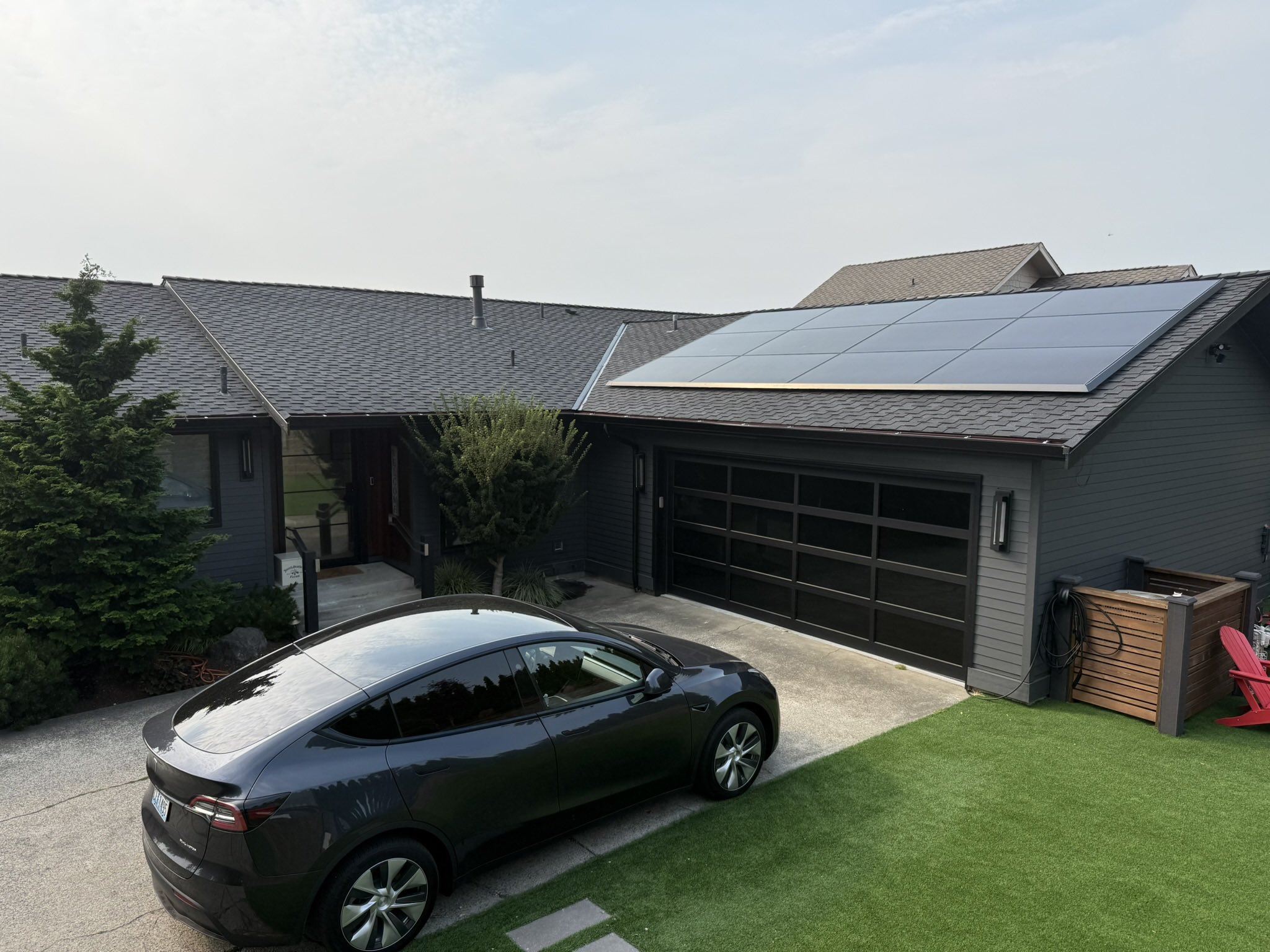
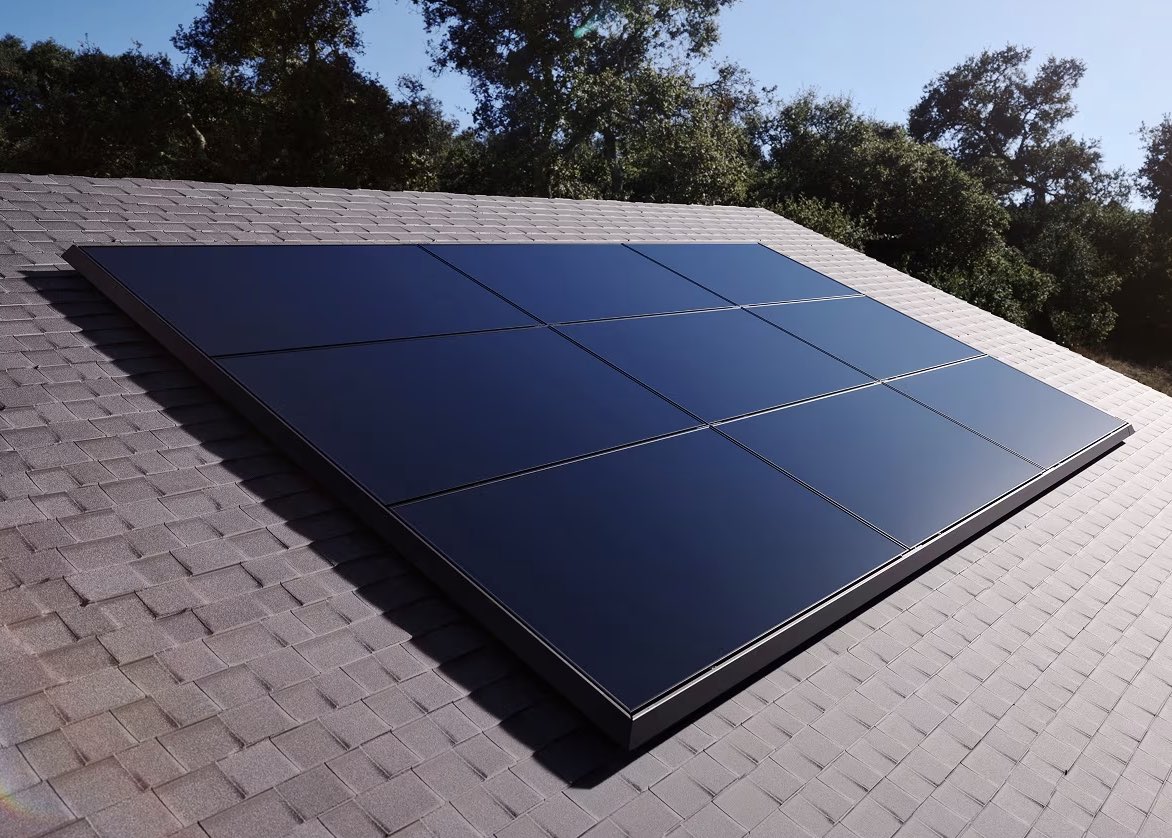
At the heart of the new offering is Tesla's own 420-watt solar panel, a significant step up in power density from many standard residential panels. This increased efficiency means homeowners can generate more electricity from the same roof area, a critical factor for space-constrained installations. Tesla has also doubled down on its signature aesthetic, with a fully black, low-profile design that integrates seamlessly with roofing materials. The focus on visual appeal is a direct competitive play, addressing a common homeowner complaint about the bulky, industrial look of traditional solar arrays.
Revolutionizing the Rooftop: The Installation Breakthrough
Perhaps the more revolutionary announcement is Tesla's new, proprietary mounting hardware. Dubbed an ultra-fast mounting system, it is engineered to dramatically reduce the labor-intensive process of attaching panels to a roof. While exact technical details are scarce, the system reportedly utilizes innovative clamps and a unified rail design that minimizes drilling and allows for large sections of the array to be secured quickly. The goal is clear: transform a multi-day, crew-intensive ordeal into a streamlined, sub-one-day installation. This directly targets the largest soft cost in solar—labor—and could be a game-changer for scalability and customer adoption.
This product launch must be viewed within the context of Tesla Energy's rocky history. Following the $2.6 billion acquisition of SolarCity in 2016, the division faced significant challenges, including service bottlenecks and a strategic retreat from door-to-door sales. The new panel and mounting system represent a fundamental reboot, showcasing Tesla's core strength: manufacturing innovation. By designing the entire system in-house—from the photovoltaic cells to the final bracket—Tesla gains control over quality, cost, and the end-user experience, mirroring its vertical integration success in the automotive sector.
For Tesla owners and investors, the implications are substantial. Current Tesla EV drivers are the prime demographic for a streamlined solar and Powerwall integration, offering true energy independence and lower operating costs for their vehicles. For investors, a successful solar reboot opens a massive adjacent market and strengthens the narrative of Tesla as a sustainable energy titan, not just a car company. If the new installation system delivers on its promise of speed and reliability, it could rapidly improve the division's margins and make Tesla a formidable, cost-competitive force in the residential solar industry once again.