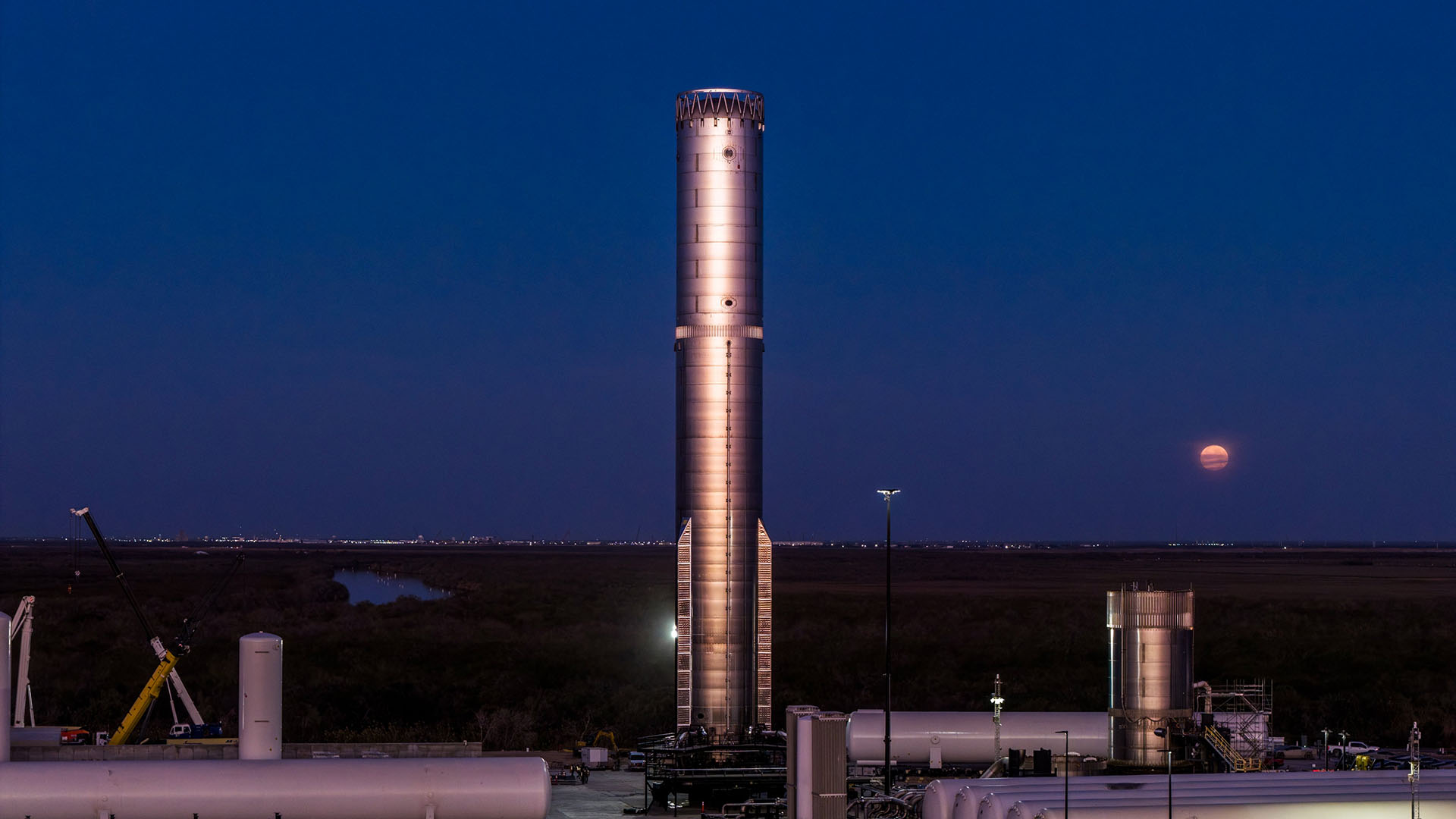
In the high-stakes arena of orbital rocketry, a successful cryogenic proof test is a quiet but monumental victory. This week, that victory belonged to Starship Booster 19 at SpaceX's Starbase facility in Texas, marking a critical step toward the increasingly ambitious Starship Flight 12 mission. The milestone signals a deliberate, measured pace for SpaceX following the explosive anomaly that ended Booster 18's testing campaign, underscoring a strategic shift toward greater caution as the company refines the machinery it believes will one day carry humans to Mars.
A Deliberate Path Forward After Setback
The journey to Flight 12 has been characterized by a noticeably more methodical timeline compared to its predecessors. This follows the dramatic rapid unscheduled disassembly (RUD) of Booster 18 during a test last year, a vivid reminder of the immense technical challenges inherent in developing the world's most powerful launch system. Instead of rushing to the pad, SpaceX engineers have subjected Booster 19 to a rigorous series of ground checks. The recent cryo test, which involves filling the booster's massive tanks with supercooled liquid nitrogen to validate structural integrity under extreme pressure and temperature, was a pass-fail gate that the new vehicle has now cleared.
Flight 12: Evolving Ambitions and Technical Hurdles
While official flight objectives from SpaceX are still pending, the broader goals for the Starship program are crystallizing. Flight 12 is expected to continue pushing the boundaries of in-flight propellant transfer—a technology absolutely essential for deep-space missions—and may aim for a more controlled splashdown of the Super Heavy booster in the Gulf of Mexico. Each test builds upon the hard-won data of previous flights, whether successful or not. The cautious approach with Booster 19 suggests SpaceX is prioritizing reliability and systems validation over sheer launch tempo, meticulously de-risking the complex Raptor engine ignition sequence and flight termination systems that are crucial for range safety and mission success.
This iterative, test-fail-fix philosophy is a hallmark of SpaceX's development culture, one that has directly benefited its sister company, Tesla. The relentless pace of innovation and real-world validation in battery technology, manufacturing, and software at Tesla mirrors the rapid iteration seen at Starbase. For the EV maker, SpaceX's advancements in material science, gigacasting techniques, and even autonomous systems provide a tangible technological cross-pollination, pushing the envelope of what's possible in terrestrial transportation.
Implications for the Tesla Ecosystem
For Tesla owners and investors, the progress at Starbase is more than a spectator sport. The success of Starship is intrinsically linked to Elon Musk's overarching vision for a multi-planetary future, a vision that secures long-term investor confidence in his flagship companies. Technologically, breakthroughs in Starship production—such as advanced stainless-steel alloys or more efficient thermal protection—could eventually filter down to Tesla's products. Financially, a thriving SpaceX enhances the stability and innovative cachet of the entire Musk ecosystem, which positively influences market perception. Furthermore, the development of a fully reusable, super-heavy-lift rocket promises to drastically reduce the cost of deploying Tesla's planned Gen 2 Starlink satellites, strengthening that high-margin business unit and its synergy with Tesla's connectivity ambitions.
The survival of Booster 19 is a foundational step, but the road to orbit remains fraught with challenge. The eyes of the space and tech worlds will now be on the upcoming static fire test, where all 33 Raptor engines will roar to life while the booster remains anchored to the pad. For Tesla stakeholders, watching this cautious, data-driven march toward Flight 12 is a masterclass in scaling revolutionary technology—a process they are deeply familiar with as the electric vehicle revolution continues to accelerate.