In a stunning reversal of long-held automotive dogma, Tesla has dethroned the perennial champion of reliability on French roads. For the first time ever, the American electric vehicle pioneer has topped a major reliability ranking in France, surpassing the legendary Toyota in a study that signals a profound shift in consumer perception and vehicle quality. This milestone, celebrated publicly by CEO Elon Musk on his social media platform X, is more than a corporate victory; it's a symbolic breakthrough for the entire EV sector in a critical European market.
A Historic Shift in Perceived Quality
The annual reliability study, conducted by the respected French magazine Auto Plus, surveys thousands of vehicle owners about problems encountered with their cars. For years, Japanese brands like Toyota have dominated these rankings, their reputation for bulletproof engineering seemingly unassailable. Tesla's ascent to the top spot marks a dramatic departure from this pattern. It directly counters a persistent narrative that legacy automakers are inherently more reliable, proving that a tech-centric company can achieve, and even exceed, traditional standards of build quality and dependability. This victory is particularly resonant in France, a market with strong domestic automakers and historically high expectations for vehicle longevity.
Musk's Celebration and the Road to Reliability
The achievement was promptly highlighted by Elon Musk, who reposted the news on X with evident pride. This public endorsement underscores the strategic importance of reliability to Tesla's long-term mission. The company has faced its share of criticism over build quality in past years, making this ranking a powerful testament to its iterative manufacturing improvements. Investments in massive casting machines, refined assembly processes, and software-focused quality control appear to be yielding significant dividends. Beating Toyota isn't just about fewer reported issues; it's a signal that Tesla's vehicles are maturing into polished, trustworthy products that satisfy daily ownership demands.
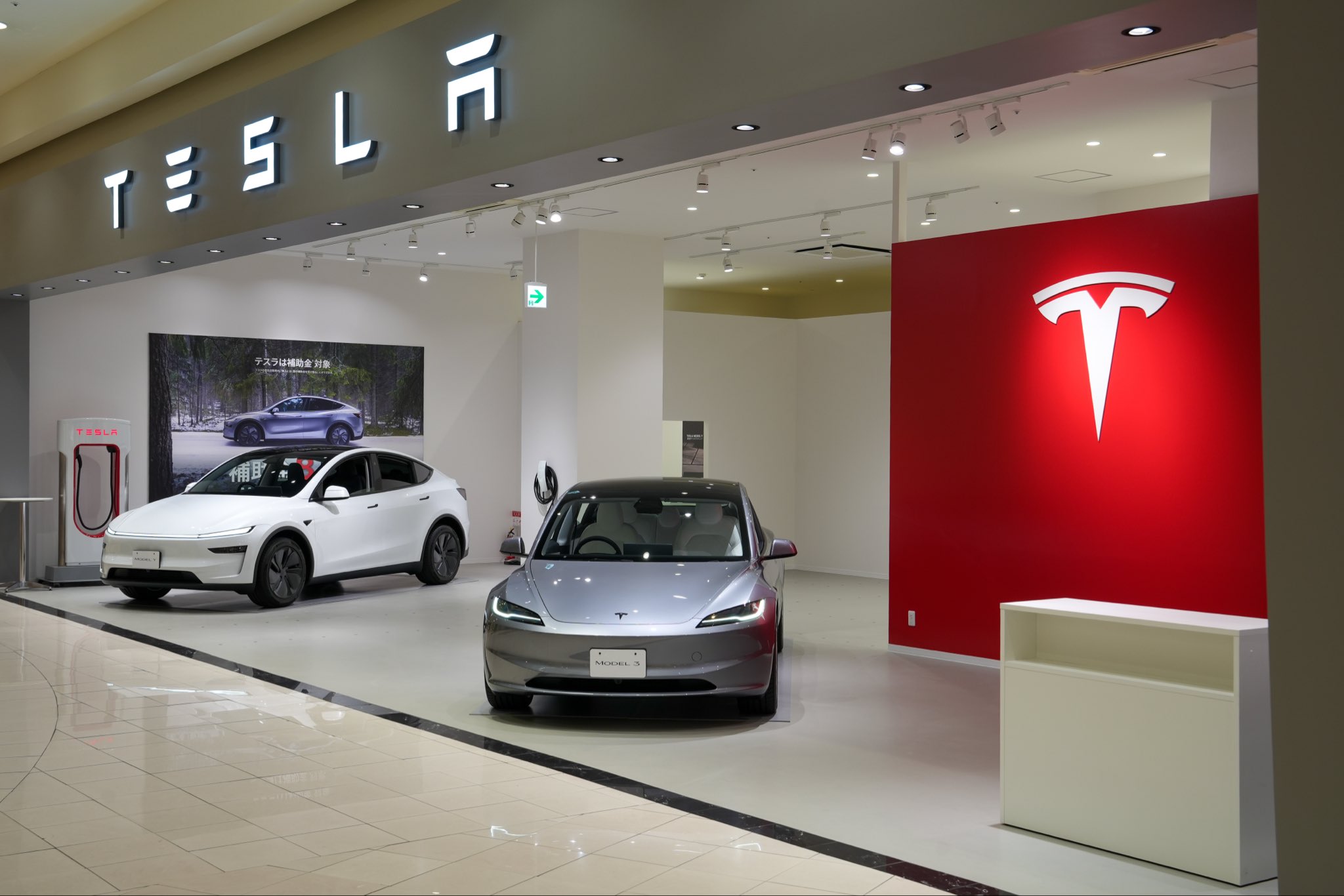
Context is crucial here. Tesla's model range in Europe, particularly the Model Y and Model 3, benefits from a relatively new and simplified mechanical architecture compared to complex internal combustion engines. With far fewer moving parts, the potential for traditional mechanical failure is reduced. However, the study also surveys issues with infotainment, electronics, and fittings—areas where Tesla has historically received scrutiny. Topping the ranking suggests the company is making substantial progress in these domains as well, creating a more cohesive and trouble-free ownership experience.
Implications for Owners and the EV Market
For current and prospective Tesla owners, this ranking offers powerful reassurance. It translates to lower long-term cost of ownership, higher resale value, and fewer unexpected inconveniences—key factors for mainstream adoption. For investors, it validates the company's capital expenditure on manufacturing innovation and its ability to scale quality alongside volume. In the broader electric vehicle landscape, this achievement serves as a potent marketing tool, helping to dismantle the lingering skepticism that EVs are less reliable than their fossil-fueled counterparts. As Tesla solidifies its reputation for dependability, it raises the competitive bar for every automaker, legacy or startup, in the race for electric dominance.
The ramifications extend beyond brand perception. This data point can influence corporate and fleet purchasing decisions, where total cost of ownership is paramount. It also strengthens Tesla's position in regulatory discussions, demonstrating that the shift to sustainable transport does not require a compromise on quality or durability. As the industry watches, Tesla's triumph in France may well be a leading indicator of similar shifts in other markets, proving that in the new automotive era, reliability and innovation are no longer mutually exclusive.