In a strategic pivot that reshapes the timeline of interplanetary colonization, Elon Musk has announced that SpaceX will prioritize establishing a permanent base on the Moon before attempting a sustained settlement on Mars. This significant shift in the company's famed roadmap underscores a more pragmatic, stepwise approach to becoming a multi-planetary species, leveraging lunar operations as a critical proving ground for the technologies and logistics needed for the Red Planet.
The Rationale: Cadence, Survival, and Strategic Testing
Musk outlined several compelling drivers for this lunar-first strategy. Foremost is launch cadence; the Moon's proximity to Earth allows for far more frequent missions, enabling rapid iteration of systems and infrastructure. This creates a continuous feedback loop of learning and improvement that a Mars program, with its 26-month launch windows, simply cannot match. Furthermore, Musk emphasized the urgency of securing humanity's long-term survival beyond Earth. Establishing a foothold on the Moon is seen as a faster, more achievable milestone toward that ultimate goal, creating a second outpost for civilization sooner rather than later.
Starship: The Lunar Workhorse and Martian Prototype
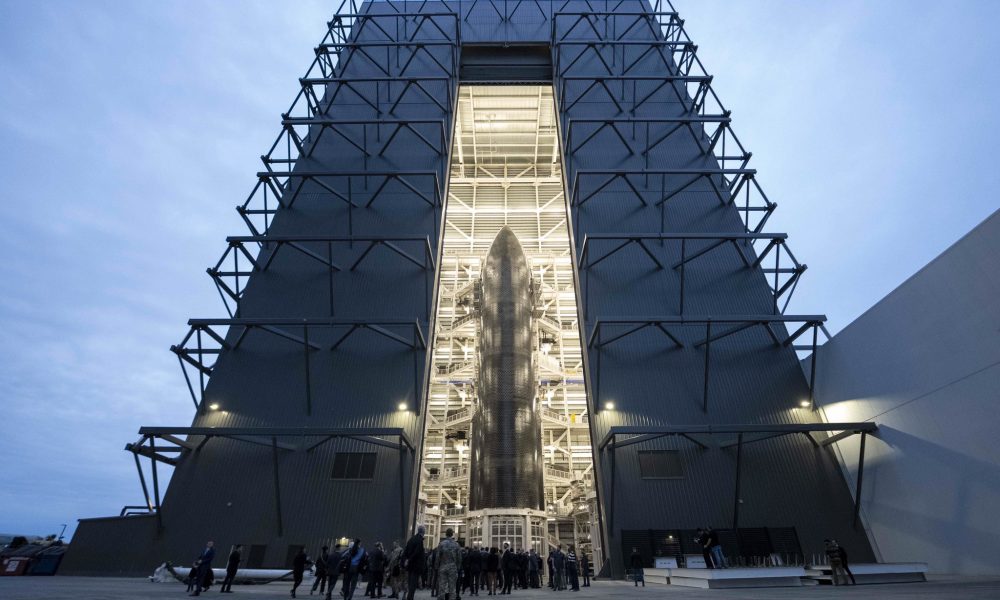
This revised plan firmly positions SpaceX's Starship as the universal transport vehicle for the solar system. The fully reusable spacecraft, currently in development, will now be tasked with pioneering sustained lunar logistics—landing massive payloads, deploying habitats, and potentially utilizing lunar resources like water ice. The challenges of operating in the Moon's harsh environment, with its abrasive dust and extreme temperature swings, will provide invaluable data for hardening Starship for the more distant and demanding Martian environment. Every lunar landing and takeoff becomes a direct test for the ultimate Mars mission.
For Tesla, the implications of this pivot are multifaceted. The intense focus on Starship development and lunar operations will demand immense capital and engineering resources from SpaceX. While the companies are separate, Musk's attention is a finite resource, and a monumental undertaking like a Moon base could theoretically divert focus from Tesla's automotive and energy ambitions. However, the technological cross-pollination between SpaceX and Tesla, particularly in materials science, advanced manufacturing, and battery technology, could accelerate. Innovations born from the extreme demands of spaceflight have historically found terrestrial applications.
For Tesla owners and investors, this news is a reminder of Elon Musk's macro-scale vision. The success of Tesla's EV and energy storage business remains the primary financial engine funding these cosmic ambitions. A successful, high-profile Moon base program could bolster the overall Musk ecosystem's brand strength, indirectly benefiting Tesla. Conversely, any significant setbacks or capital strains at SpaceX would likely cast a shadow. Investors should view this pivot as a strategic deepening of SpaceX's plans, with Tesla's role as the foundational, Earth-bound profit center becoming more critical than ever to underwrite humanity's next giant leap.