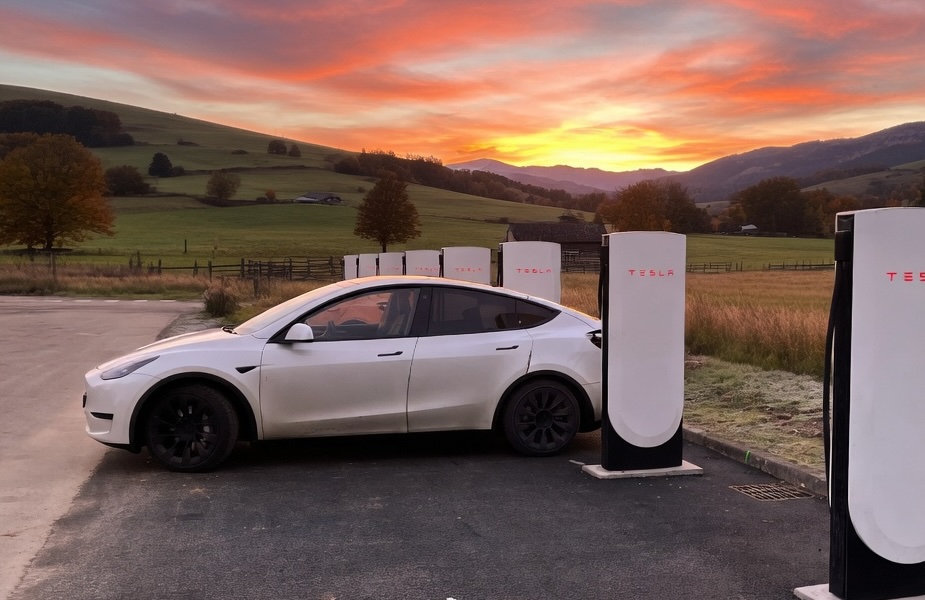
In a definitive move signaling the next evolution of its industry-leading charging infrastructure, Tesla has officially ceased production of the hardware that powered its global expansion. The final V3 Supercharger cabinet has rolled off the line, marking the end of an era and a full-scale pivot to its next-generation technology. This strategic manufacturing shift, centered at Gigafactory New York, underscores Tesla's commitment to not just maintaining its network advantage, but radically advancing it with the new V4 Supercharger platform.
The V3 Legacy and the V4 Future
The V3 Supercharger cabinet, capable of delivering up to 250 kW of power, was the backbone of Tesla's rapid network growth over the past several years. Its deployment enabled faster charging times and improved station reliability, directly addressing early EV adoption hurdles. Retiring this proven component is a calculated risk that highlights Tesla's confidence in its successor. The V4 cabinet is engineered for significantly higher power delivery—reportedly exceeding 350 kW—and features a longer cable designed to accommodate the diverse charge port locations of not only future Tesla models but all electric vehicles adopting the North American Charging Standard (NACS).
Gigafactory New York as a Strategic Hub
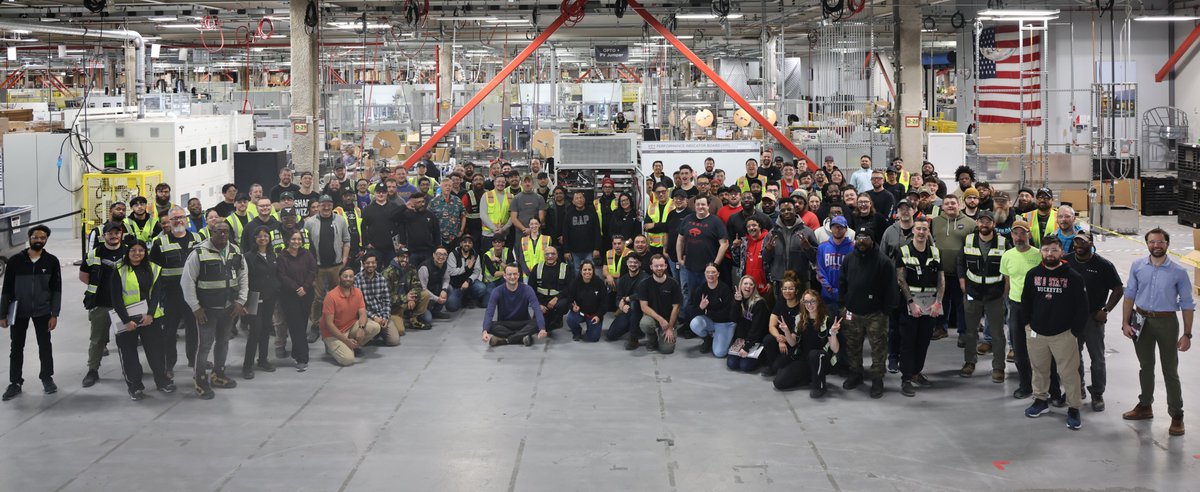
The transition is being orchestrated at Tesla's Buffalo, New York facility, which has retooled its production lines to focus exclusively on V4 cabinet manufacturing. This ramp-up is critical for two reasons. First, it ensures a steady supply of hardware to support Tesla's ambitious expansion targets for new V4 sites. Second, it provides the capacity needed for the gradual retrofit of existing high-traffic V3 locations. By controlling the entire production process in-house, Tesla can tightly integrate hardware and software development, potentially enabling future over-the-air upgrades to unlock even higher power levels as battery technology improves.
This manufacturing evolution is about more than just faster charging speeds. The V4 architecture is built with an open network strategy in mind. Its universal design is a direct enabler of Tesla's partnerships with virtually every major automaker, from Ford and GM to Rivian and Volvo, who are adopting NACS. As these millions of non-Tesla EVs gain access to the Supercharger network in the coming years, the robust, high-throughput V4 stations will be essential for managing increased demand and maintaining a positive customer experience for all users.
For Tesla owners and investors, the implications are substantial. Owners can expect a continued, albeit gradual, improvement in charging infrastructure with faster peak charging rates for compatible vehicles like the Cybertruck and a more user-friendly experience. For investors, the move validates Tesla's long-term vision of its Supercharger network as a massive, high-margin revenue stream that extends far beyond its own vehicle fleet. The decisive shift to V4 production mitigates the risk of network obsolescence and solidifies Tesla's infrastructure as the de facto standard for North American EV charging, creating a powerful and durable competitive moat.