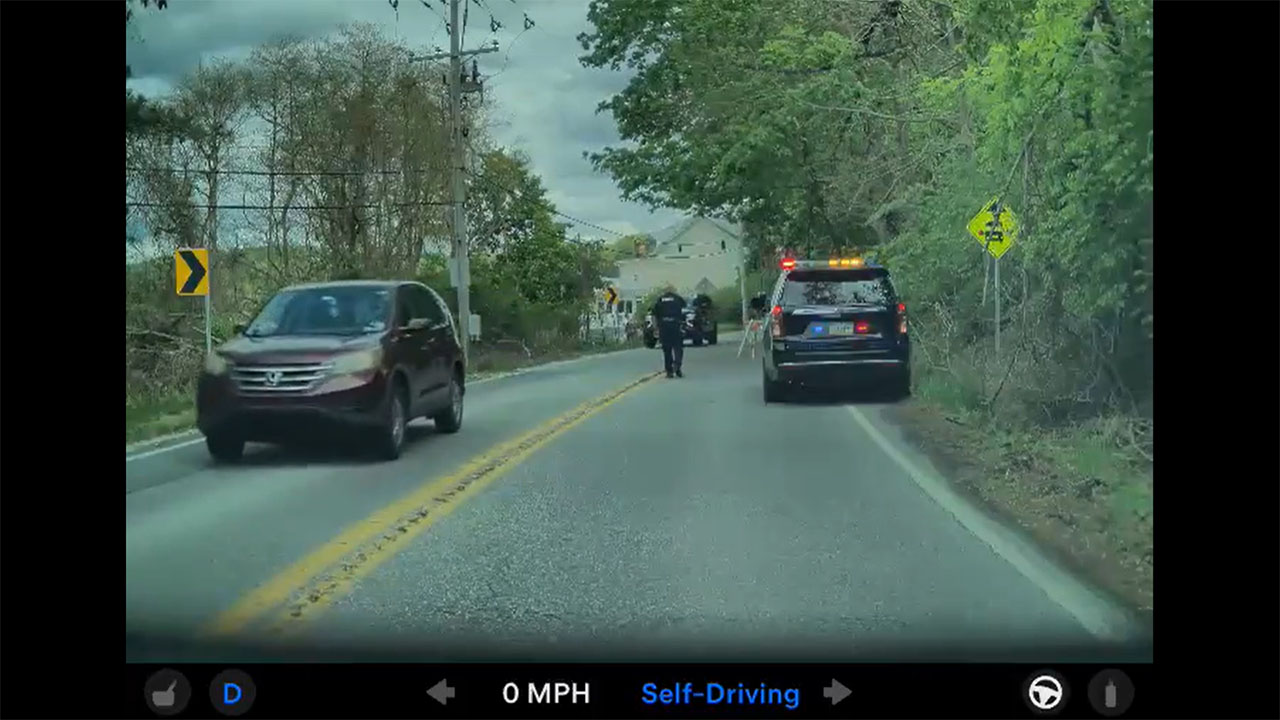
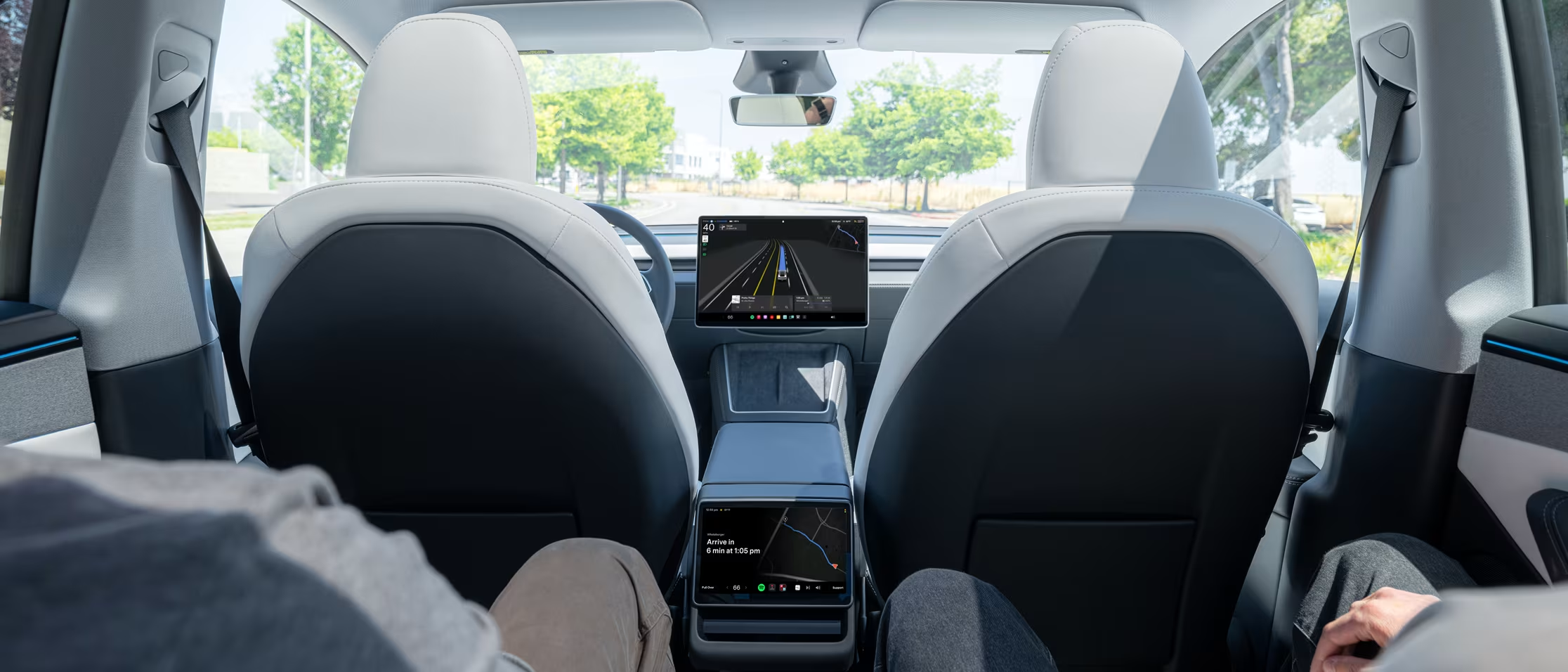
Tesla's ambitious push toward a driverless future has encountered another minor, yet telling, reality check. The company has disclosed five new accidents involving its autonomous test vehicles in Austin, Texas, all occurring within a concentrated period between December 2023 and February 2024. While no serious injuries were reported, the filings with the Texas Department of Transportation provide a rare, incremental glimpse into the ongoing development—and persistent challenges—of Tesla's robotaxi technology on complex public roads.
A Pattern of Low-Speed, Minor Incidents
The disclosed incidents, described as minor, largely follow a familiar pattern for early-stage autonomous vehicle operations. According to the reports, the crashes primarily involved low-speed scenarios such as parking maneuvers or slow-moving traffic. One notable incident involved a Tesla test vehicle being rear-ended by another car, highlighting a core difficulty for AI drivers: predicting the sometimes erratic behavior of human-operated vehicles. These are not high-speed highway failures, but rather the nuanced, "edge-case" interactions that define the final, most difficult stretch of the path to full autonomy.
Transparency and the Path to Validation
This disclosure is part of Tesla's voluntary reporting in Texas, a state that has become a key proving ground for its Full Self-Driving (FSD) and dedicated robotaxi platform. Each incident provides a critical data point for engineers, feeding back into the neural networks that control the vehicles. The company's approach hinges on accumulating millions of miles of real-world data to teach its system to handle virtually any scenario. While any crash is undesirable, analysts note that this level of operational transparency, however minimal, is a necessary step toward validating the safety case for a commercial robotaxi service and building regulatory confidence.
For Tesla investors and enthusiasts, these reports are a double-edged sword. They underscore that the company is actively testing advanced prototypes in real conditions, moving beyond simulation. However, they also concretely illustrate the significant technical hurdles that remain before a scalable, profitable driverless network can be launched. The financial implications are vast; success could unlock a recurring high-margin revenue stream, but continued delays or safety concerns could impact consumer and investor sentiment toward the entire autonomous driving project.
For current Tesla owners, particularly those using the FSD suite, these Austin incidents serve as a potent reminder. The technology evolving in these dedicated test vehicles is generations ahead of the consumer-facing driver-assist systems. It reinforces that today's systems, however capable, require constant driver supervision and are not autonomous. The incremental progress seen in public reports like this one directly informs the over-the-air updates that gradually enhance their own vehicles' capabilities, bridging the gap between today's assisted driving and tomorrow's autonomous vision.