A Long-Awaited Departure From the "Why Did You Take Over?" Prompt
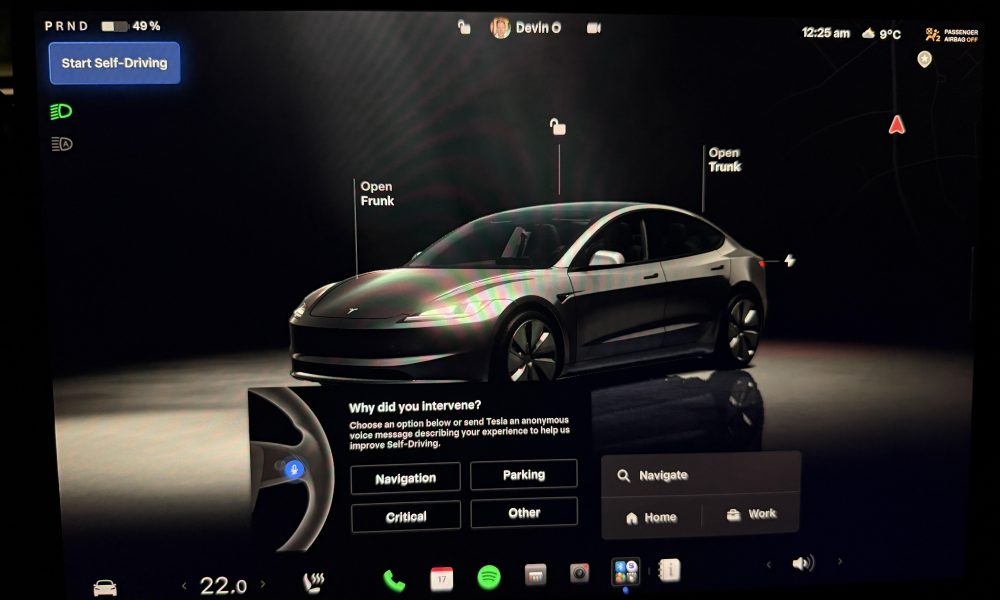
For years, FSD testers grew accustomed to the post-disengagement questionnaire. The moment a driver grabbed the wheel or tapped the brake, the system would surface a menu asking them to categorize the reason: was it a safety concern, a comfort issue, or a system error? While the data proved valuable to Tesla's engineering teams, the prompt became a source of irritation for owners who simply wanted to resume driving. Members of the Early Access Program were among the first to confirm the change as v15 arrived on their vehicles, noting that the takeover experience now feels noticeably cleaner and less intrusive.
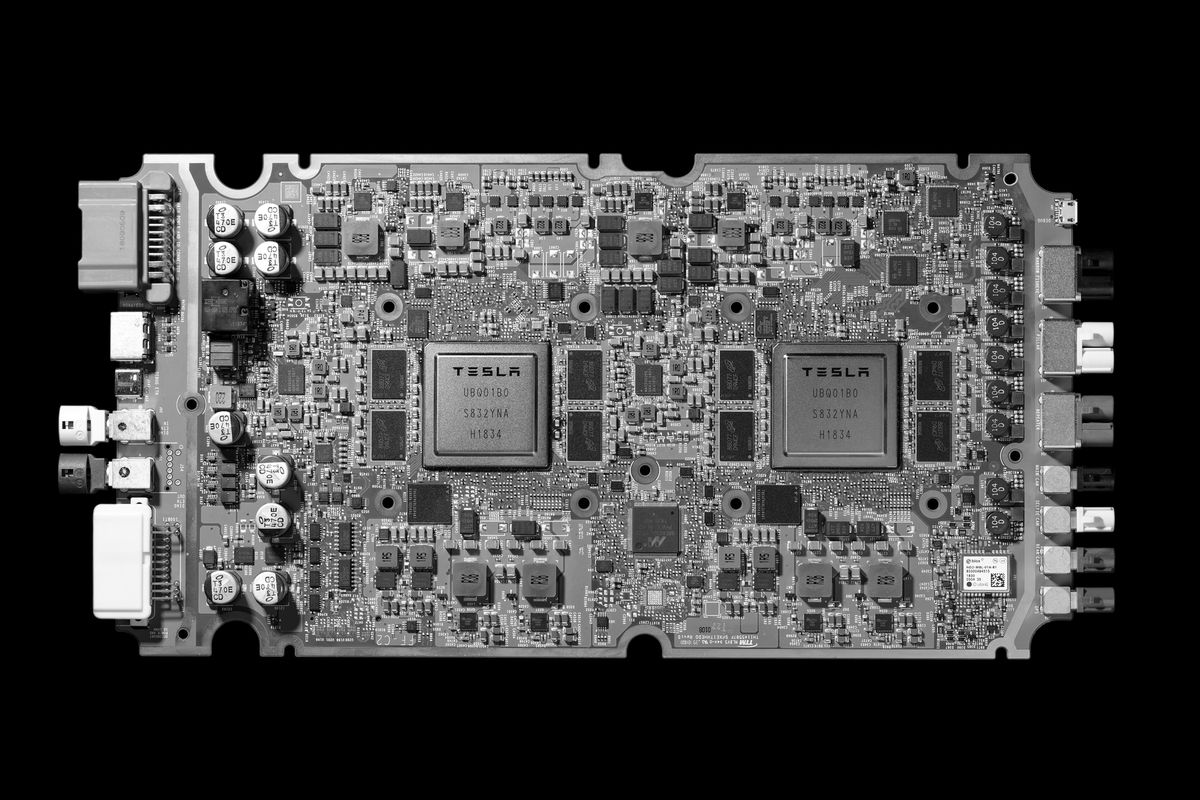
The removal is not merely cosmetic. It signals that Tesla's confidence in its neural network has matured to the point where it no longer needs granular human labeling on every intervention. The company has increasingly leaned on its Dojo supercomputer and fleet-wide video training to close performance gaps, reducing reliance on manual driver feedback. In effect, Tesla is betting that its models now learn better from raw fleet data than from harried drivers selecting options from a touchscreen at 70 mph.
FSD v15 Targets a 25-Times Reduction in Critical Interventions
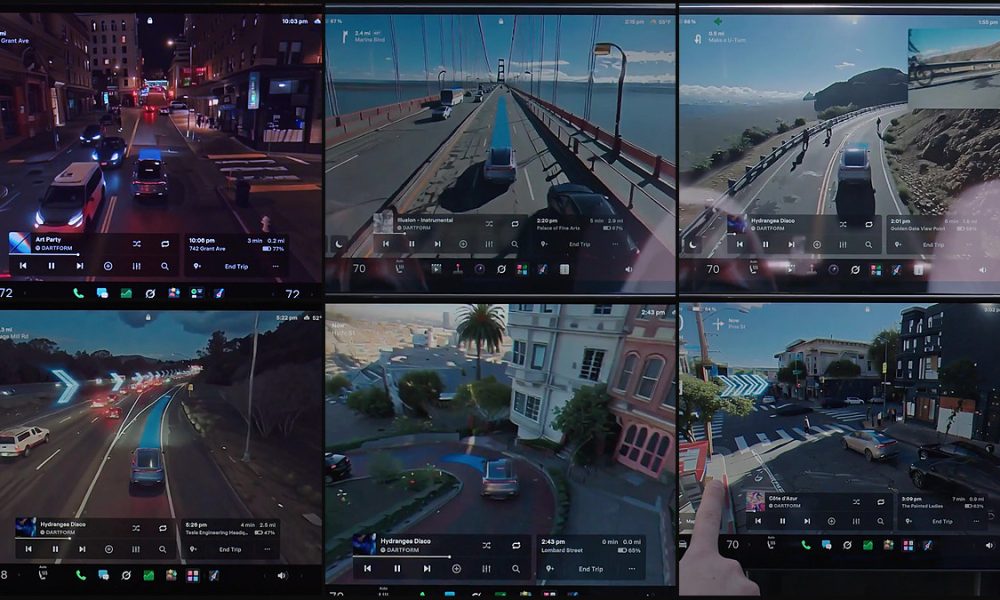
The stakes behind v15 are considerable. Tesla has framed this release as a step-change toward reliability, aiming for a 25x reduction in critical interventions compared to earlier builds. That ambition requires the system to handle edge cases—construction zones, erratic pedestrians, complex intersections—with far greater autonomy. Removing the takeover prompt aligns with that goal: fewer interruptions means fewer opportunities for the human-machine handoff to break down, and a driving experience that feels less like supervising a student driver.
Early impressions from testers suggest the update delivers smoother decision-making and fewer hesitations, though independent validation remains limited. Tesla has not published detailed disengagement statistics for v15, and the Early Access Program represents a self-selected group of enthusiastic testers rather than a representative sample. Still, the directional signal matters. Each iteration that reduces the frequency of human takeover also reduces the frequency of the prompt that once accompanied it—making its removal a natural consequence of progress rather than a mere convenience feature.
What the Change Means for Owners and Investors
For Tesla owners enrolled in or awaiting FSD, the update improves day-to-day usability and removes a psychological reminder that the software remains unfinished. For investors, the development is a small but telling indicator of Tesla's autonomy roadmap. The company's valuation has long rested on the promise of unsupervised self-driving, and every release that narrows the intervention gap strengthens the narrative around robotaxi ambitions and future software revenue. A cleaner FSD experience also matters for adoption: drivers who feel constantly quizzed about their takeovers are less likely to keep the subscription active.
The caveat is familiar. Tesla's timelines for full autonomy have slipped repeatedly, and v15—however polished—remains a supervised system requiring an attentive driver. The removal of the feedback prompt should not be mistaken for the removal of the driver. What has changed is the tone of the relationship: Tesla's EV software is increasingly acting like a confident co-pilot rather than an uncertain apprentice asking for notes after every mistake. For a feature that has spent years in public beta, that shift in posture may prove as significant as any single driving improvement in the release.