Tesla’s Full Self-Driving program has arrived at a defining moment. According to Elon Musk, the upcoming FSD v15 represents the final realistic opportunity to deliver unsupervised self-driving on the AI4 computer — the hardware already installed in millions of customer vehicles worldwide. In a series of candid exchanges on X over the weekend, Musk acknowledged just how little compute headroom remains, offering Tesla owners and investors a rare, unfiltered look at the engineering limits closing in on the company’s autonomy ambitions.
The AI4 Ceiling Comes Into Focus
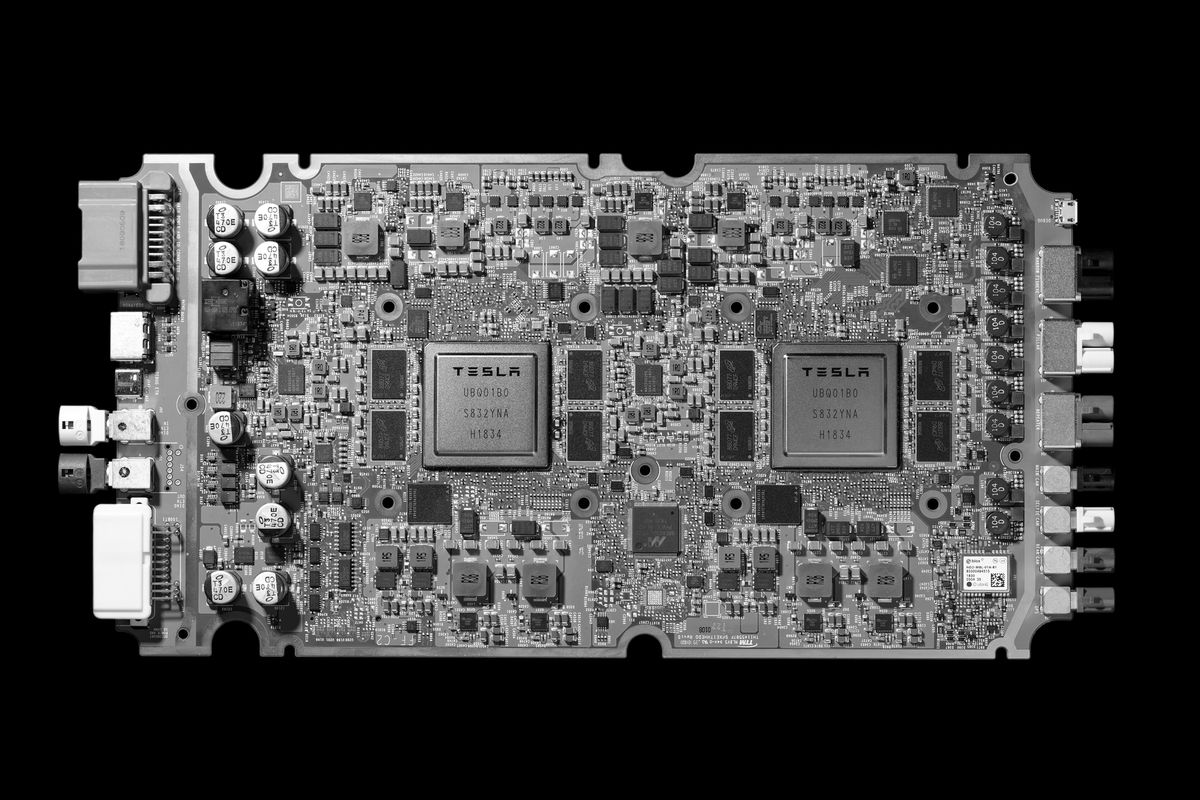
The numbers Musk shared paint a sobering picture. FSD v15 is being engineered to extract every remaining ounce of performance from AI4, with the software expected to consume the hardware’s capabilities almost entirely. That leaves virtually no margin for the kind of iterative model growth that has driven FSD’s progress over the past several years. In practical terms, v15 is not a stepping stone — it is the endgame for the current-generation electric vehicle fleet’s onboard compute.
Musk also confirmed two details that sharpen the stakes considerably. First, existing AI4 cars will not receive the next-generation AI5 chip, closing off any upgrade path for the current fleet. Second, the mid-cycle AI4.5 variant has seen its RAM reduced from 32GB to 24GB — a cost-driven trim that signals Tesla is already managing the transition toward AI5 rather than investing further in the outgoing platform.
Why v15 Carries So Much Weight
The timing matters enormously. Tesla has spent years promising that its fleet would eventually deliver robotaxi-level autonomy through over-the-air updates, and the installed base of AI4 vehicles represents the largest hardware cohort in the company’s history. If FSD v15 falls short of unsupervised capability, Tesla faces an uncomfortable question: what happens to millions of cars sold on the implicit promise of future autonomy that their hardware cannot deliver?
For investors, the implications ripple beyond software. Tesla’s valuation has long leaned on autonomy as its central growth story, and any signal that AI4 has hit a hard ceiling could force a recalibration of robotaxi timelines. The AI5 chip, expected to debut in future vehicles, now looks less like an incremental upgrade and more like the true foundation for unsupervised driving — meaning the customer fleet and the autonomy roadmap may be diverging for the first time.
What It Means for Owners and the Road Ahead
For current Tesla owners with AI4 hardware, the message is a mix of opportunity and limitation. FSD v15 could still deliver meaningful capability gains, and Musk’s transparency suggests the company is throwing everything at making it count. But the confirmation that no AI5 retrofit is coming means these vehicles will live permanently with whatever v15 and its incremental refinements can achieve.
The broader EV industry will be watching closely. Tesla’s bet — that camera-based autonomy could scale on modest onboard compute — is being tested at the outer edge of its hardware envelope. Whether v15 proves the skeptics wrong or validates their concerns will shape how rivals approach the compute-versus-cost tradeoff in their own self-driving programs. For now, all eyes are on the software release that has to make AI4’s last stand count.