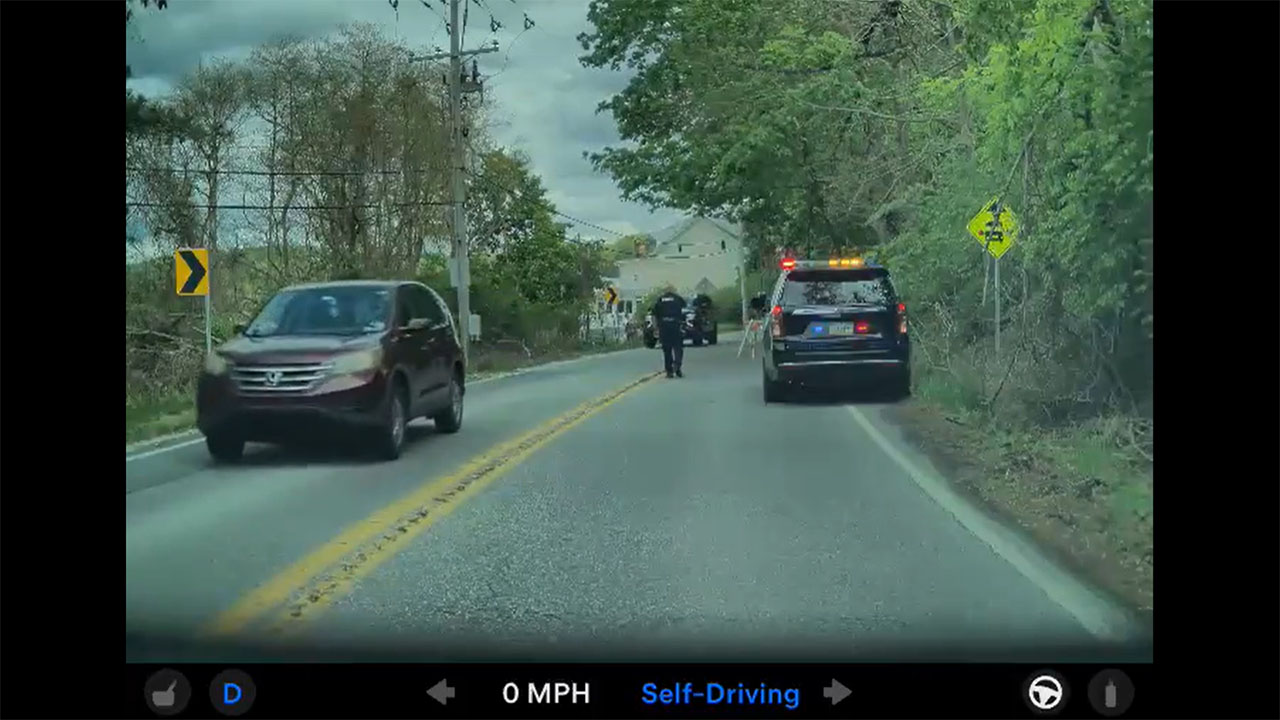
In a significant step for its global autonomous driving ambitions, Tesla has secured a crucial regulatory green light in a key European market. The company confirmed via press release that it has received official permission to begin on-road testing of its Full Self-Driving (FSD) Supervised system across Sweden. This move marks a pivotal moment, not just for Tesla's European strategy, but for the broader acceptance of advanced driver-assistance systems on the continent's roads.
A Strategic Foothold in Europe
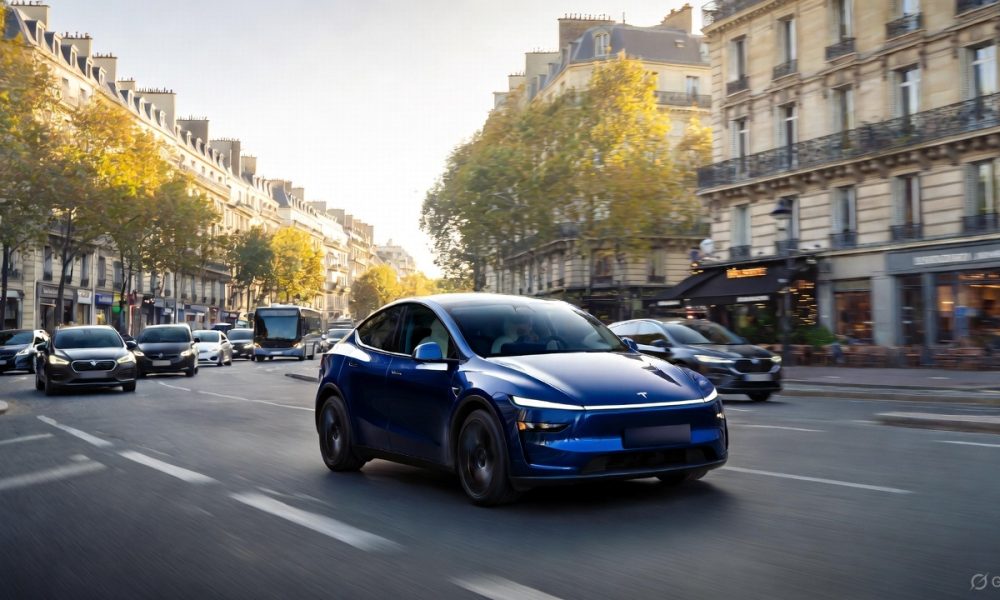
Sweden's approval provides Tesla with a vital European beachhead for real-world data collection and system validation outside North America. The country, known for its progressive stance on technology and stringent automotive safety standards, represents a high-value testing ground. Unlike the relatively uniform road systems in the United States, European roads present a distinct set of challenges, including complex roundabouts, narrower streets, and varying international signage. Successfully navigating these with FSD Supervised is essential for any future wider deployment in the European Union.
What "FSD Supervised" Testing Entails
It is critical to understand that this approval is for testing, not a public release. The "Supervised" designation remains paramount. During these tests, which will likely involve both Tesla engineers and potentially select customers, the system will require a fully attentive driver ready to take control at any moment. The primary goal is to gather terabytes of localized driving data, allowing Tesla's neural networks to learn and adapt to Sweden's unique driving environment. This iterative process of training, testing, and validation is how the AI improves, moving incrementally toward greater reliability and, eventually, a broader regulatory case for approval.
The implications of this development extend far beyond Swedish borders. A successful testing phase in Sweden could serve as a powerful case study for other European regulators who have been cautious about authorizing Level 2+ autonomous systems. Tesla can leverage data on safety metrics and system performance to engage with authorities in Germany, France, and the UK. Furthermore, it signals to European competitors that Tesla is not slowing its Autopilot and FSD development, maintaining its aggressive pace in the core software arena that many analysts believe will define the next era of automotive competition.
Implications for Tesla Owners and Investors
For current Tesla owners in Sweden and across Europe, this news is a promising indicator that the long-awaited FSD feature suite may eventually make its way to their vehicles, unlocking significant potential residual value. For investors, the approval is a tangible demonstration of regulatory progress, de-risking the narrative around Tesla's AI and software ambitions. It proves the company can navigate complex European bureaucratic channels and adds a new, data-rich region to its training ecosystem. However, patience is key; this is a methodical testing phase, not an imminent consumer rollout. The real value will be measured in the quality of data collected and the subsequent performance milestones achieved, which will ultimately determine the timeline for a true European FSD offering.