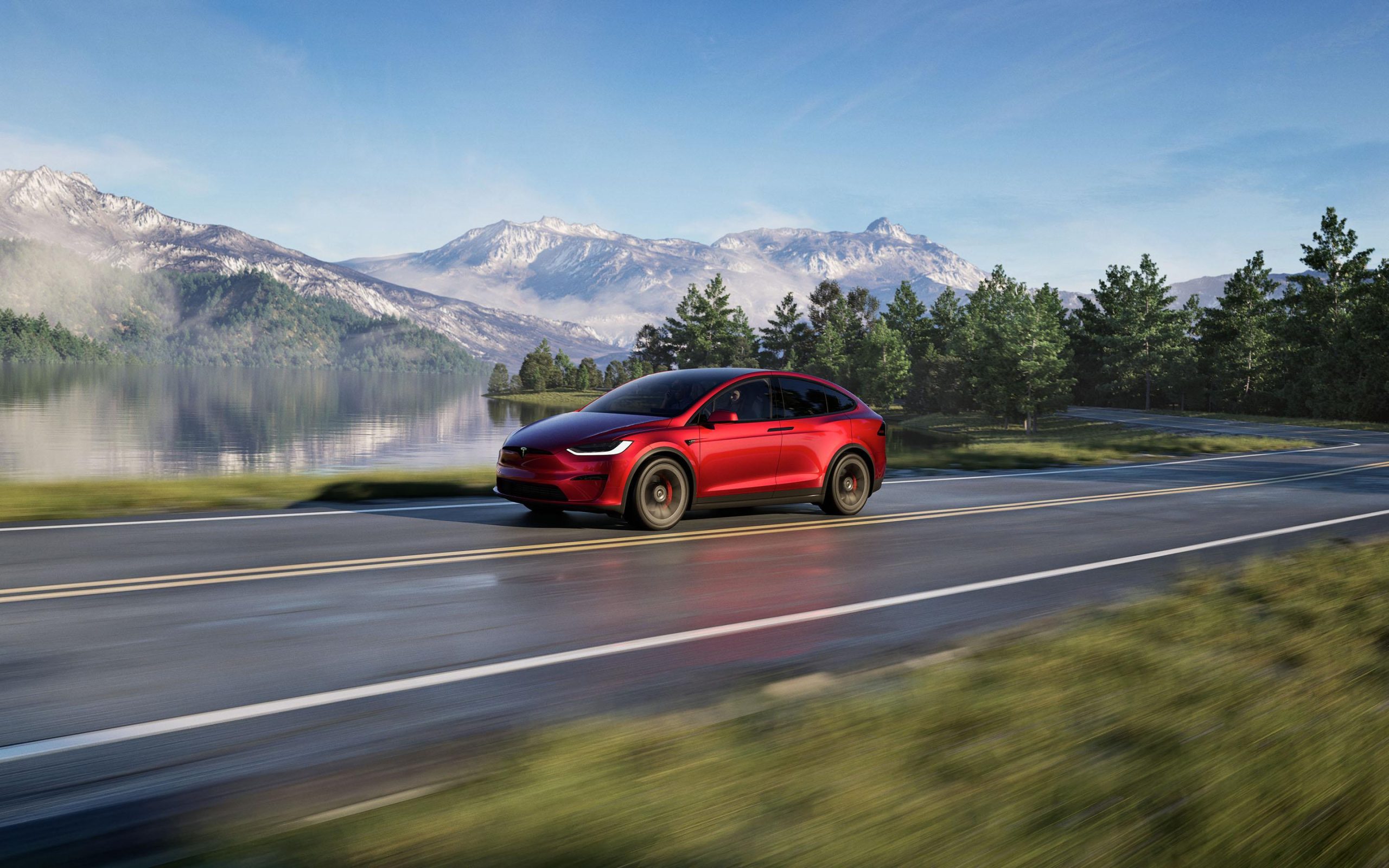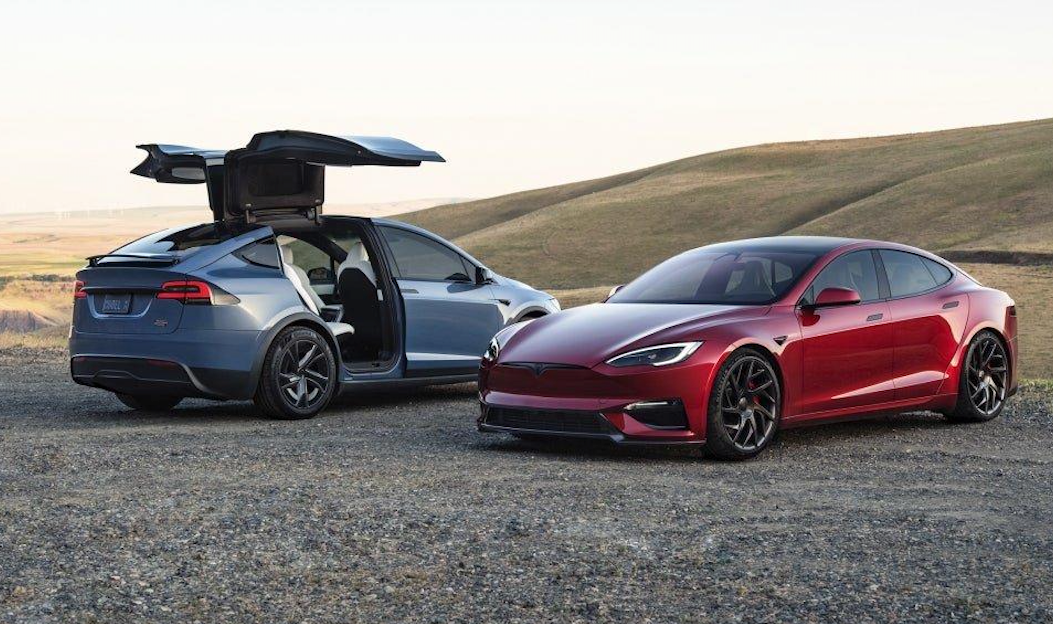
In a move that signals a strategic shift for its flagship models, Tesla has implemented a significant price increase for its remaining inventory of Model S and Model X vehicles in the United States. The adjustment, a substantial $15,000 hike, comes as available stock of these long-running vehicles reaches critically low levels, effectively creating a premium for the final units of the current generation.
The Mechanics of a Strategic Price Hike
Tesla's pricing action is not a blanket increase on new custom orders but a targeted adjustment on inventory vehicles listed in its existing stock. This means customers seeking immediate delivery of a Model S or Model X are now facing a notably higher cost. For example, a base Model S now starts at approximately $94,990 for an in-stock vehicle, up from its previous $79,990 starting MSRP for a custom order. This inventory-specific strategy suggests Tesla is managing its remaining supply of these vehicles with classic supply-and-demand economics, capitalizing on buyer urgency as the well runs dry.
Context: End of an Era and the Refresh Question
The price increase arrives amid widespread speculation about the future of Tesla's original EV pioneers. With inventory dwindling to near-zero levels in many configurations, an end-of-production period for the current Model S and Model X design is imminent. This has fueled intense analyst and consumer debate about a pending "refresh" or major update. By raising prices now, Tesla may be testing price elasticity for its most premium sedans and SUVs while also clearing the decks financially and logistically for a next-generation launch, potentially aligning with the long-anticipated "Project Juniper" refresh timeline.
Furthermore, this move starkly contrasts with Tesla's aggressive price-cutting strategy over the past 18 months across its high-volume Model 3 and Model Y lineups. The divergence highlights a two-tiered market approach: stimulating mass-market demand with affordability while repositioning its low-volume halo cars as increasingly exclusive and profitable assets. It also protects the residual value of existing vehicles and reinforces the premium status of the S and X nameplates.
Implications for Owners and the Tesla Brand
For current Tesla owners, particularly those with a Model S or Model X, this abrupt price surge is a double-edged sword. On one hand, it could bolster the resale value of their vehicles, as the new effective floor for a comparable new car is now significantly higher. For prospective buyers, the window for acquiring the current generation at a (relatively) lower price has decisively slammed shut, potentially pushing some towards the Model 3 Performance or awaiting a confirmed refresh.
For investors, this is a clear signal of margin-focused discipline on Tesla's premium products. The company is choosing to maximize profit per unit on these legacy lines rather than continue discounting, a pivot that should positively impact automotive gross margins in the short term. More importantly, it sets the stage for the financial narrative around the next iteration of these vehicles, suggesting Tesla intends to maintain—or even elevate—their positioning in the luxury electric vehicle segment against rivals like Lucid and Mercedes-Benz EQ. The coming months will reveal whether this inventory price spike is merely a final chapter or a prologue for a revitalized flagship duo.