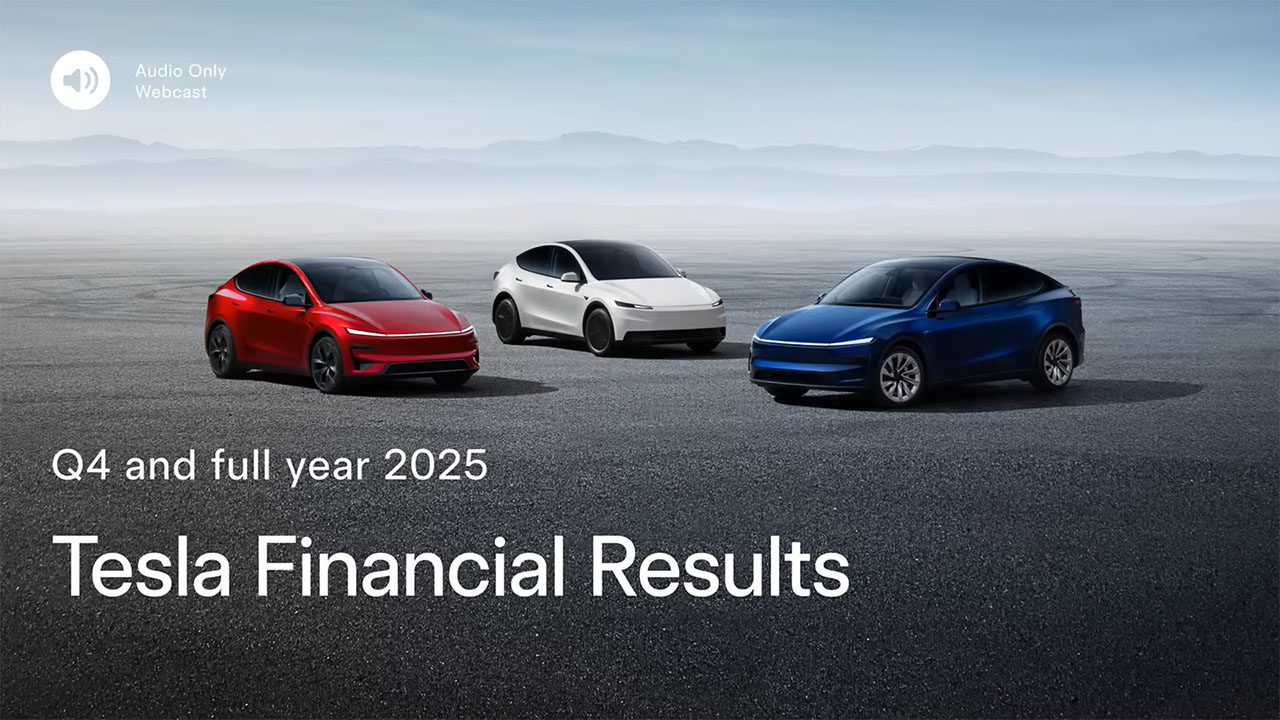
Tesla's fourth-quarter earnings call for 2025 served as far more than a routine financial update; it was a definitive declaration of a new corporate identity. While the numbers told a story of resilience in a challenging global EV market, the narrative was decisively forward-looking, framed by CEO Elon Musk's expansive vision. The core message was unambiguous: Tesla is accelerating its evolution from a pure-play electric vehicle company into a diversified technology leader at the forefront of real-world artificial intelligence and robotics.
Financial Fortitude Amidst Strategic Pivot
Tesla reported Q4 2025 revenue of $32.1 billion, meeting analyst expectations and capping a year of measured growth against intense industry headwinds. Automotive gross margins held steady, a sign of continued cost discipline even as the company invested heavily in future technologies. Critically, free cash flow remained robust, providing the essential fuel for Musk's ambitious 2026 roadmap. The financials, while solid, were presented not as an endpoint but as the foundation enabling a riskier, more transformative phase of expansion beyond the automotive sector.
The 2026 Blueprint: AI, Robotics, and Autonomy Take Center Stage
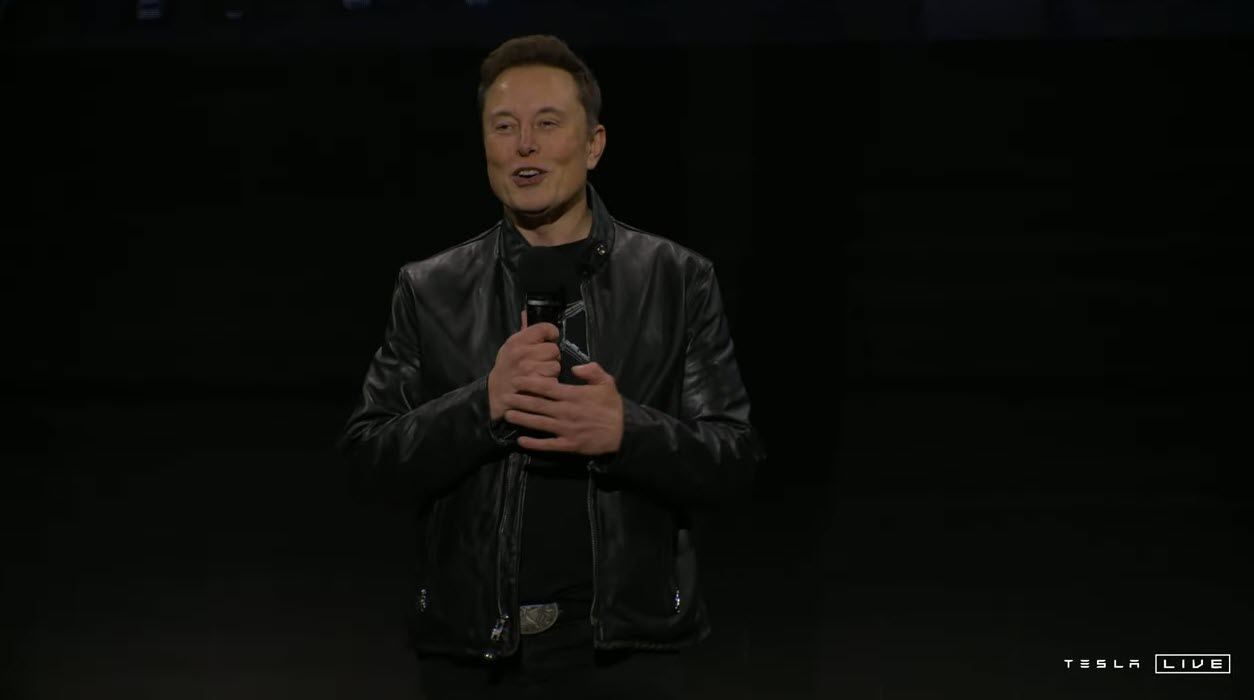
Elon Musk dedicated significant time to outlining Tesla's priorities for the coming year, with the Optimus humanoid robot transitioning from prototype to initial low-volume production. Musk stated these first units would be deployed within Tesla's own factories, a move designed to prove operational utility and refine the platform. Furthermore, he set a bold new timeline for Full Self-Driving (FSD) software, expressing high confidence in achieving "superhuman" reliability and regulatory approval in key markets by the end of 2026. This push is intrinsically linked to the value of Tesla's fleet as a data-gathering network, an asset Musk emphasized as "impossible to replicate."
Navigating the EV Transition While Building the Future
The call did not ignore the current electric vehicle landscape. Executives addressed ongoing efforts to streamline manufacturing, reduce battery costs, and refresh vehicle lineups to stimulate demand. However, the overarching theme was one of parallel tracks: perfecting the core auto business while aggressively scaling the adjacent tech ventures. The energy storage division, often a quiet performer, was highlighted as a major growth pillar, with its Megapack installations now contributing meaningfully to profitability. This dual-track strategy aims to insulate Tesla from cyclical auto slowdowns while positioning its AI and energy platforms as the primary engines of long-term valuation.
For Tesla owners and investors, the implications are profound. Owners can expect a heightened focus on software maturity, with FSD's development pace likely to accelerate, increasing the latent value of their vehicles. The energy business also presents a direct opportunity for homeowners to integrate further into the Tesla ecosystem. For investors, the thesis has fundamentally shifted. The stock is no longer a simple bet on EV sales volumes but a complex wager on Tesla's execution in robotics, autonomous networks, and utility-scale energy storage. The coming year will be a critical test of whether the company can master this intricate balancing act and deliver tangible progress on its world-changing ambitions.