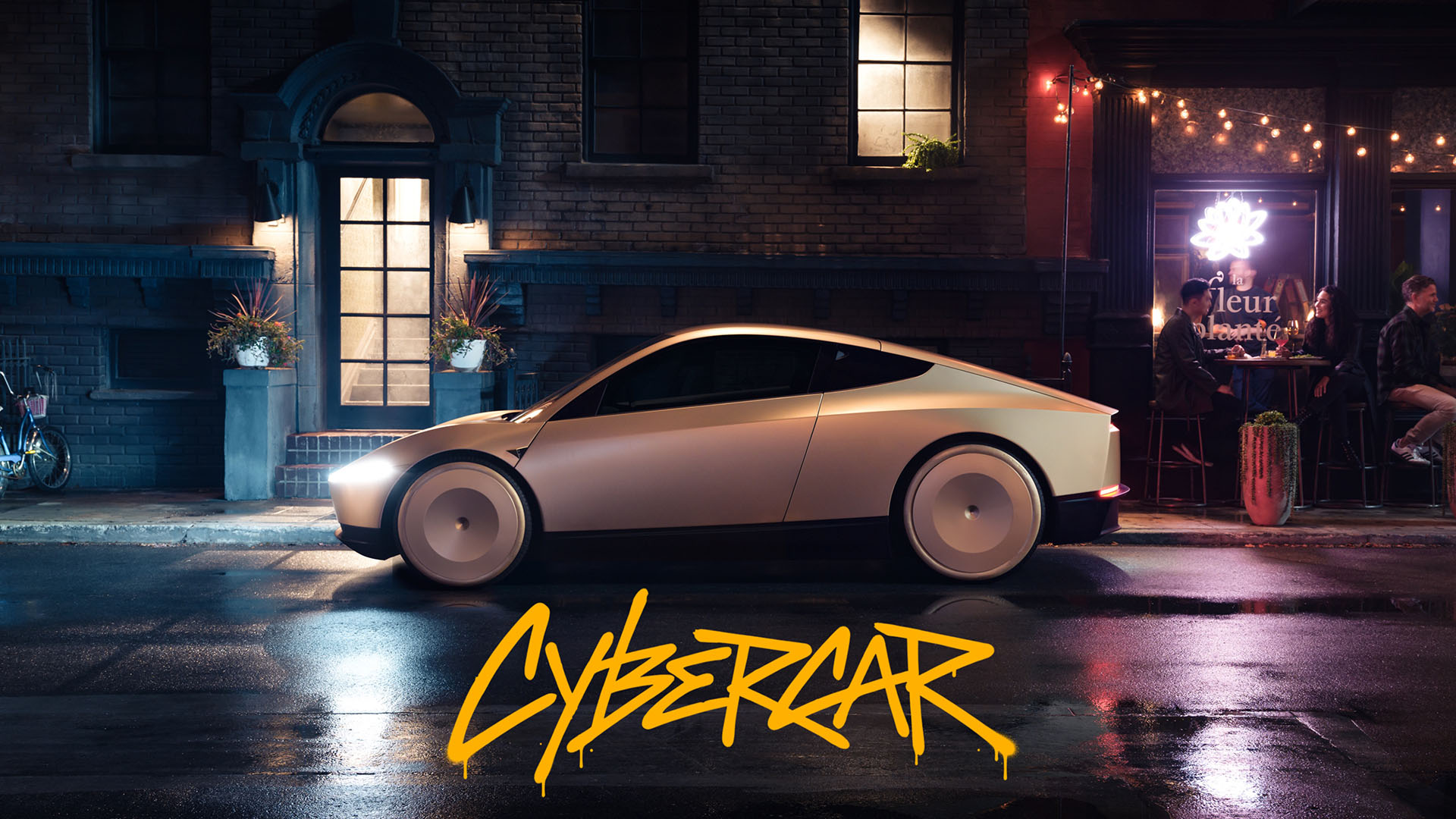
While the world awaits the official debut of Tesla's dedicated autonomous taxi, a new trademark filing battle reveals the strategic and regulatory complexities the company is navigating to bring its vision to market. Tesla has quietly submitted applications for the names Cybercar and Cybervehicle with the U.S. Patent and Trademark Office (USPTO), a move that underscores the company's determination to secure a protectable brand for its revolutionary "Cybercab" platform after a significant initial setback.
Beyond "Robotaxi": A Trademark Rejection Forces a Strategic Pivot
The core of this new filing activity stems from a fundamental regulatory roadblock. Following the platform's unveiling in 2024, Tesla naturally sought to trademark the name Robotaxi. However, the USPTO refused the application, deeming the term "too generic" to function as a distinctive brand name. This rejection is not uncommon in the trademark world, where descriptive terms for a service often fail to qualify for protection. It forced Tesla's legal and branding teams back to the drawing board, prompting this latest wave of applications for alternative, more unique names that still resonate with the company's established "Cyber" nomenclature.
Building a Brand Family: The Expanding "Cyber" Portfolio
With these new filings, Tesla is methodically building a portfolio of potential names for its autonomous ride-hailing vehicle. The company now has at least four names in contention for the same platform: Cybercab, Cybercar, Cybervehicle, and the initially desired Robotaxi. This multi-pronged approach is a classic intellectual property strategy. It allows Tesla to maintain flexibility, secure a web of related trademarks, and prevent competitors from registering similar names. The consistent use of "Cyber" powerfully ties the vehicle to Tesla's futuristic Cybertruck lineage, creating a cohesive and ownable sub-brand for its autonomous EV offerings.
The necessity to file in specific U.S. states, as indicated in the original report, points to another layer of strategy. Autonomous vehicle regulations are a patchwork across the country, with some states being more permissive than others. By securing trademarks at both the federal and state levels, Tesla is likely preparing for a staggered, state-by-state rollout of its commercial robotaxi service, ensuring its chosen brand is protected wherever it launches first.
Implications for the Road Ahead: From Legal Names to Real-World Service
For Tesla investors and enthusiasts, these trademark maneuvers are far more than legal minutiae; they are tangible signals of forward momentum on a critical project. The activity confirms that the Robotaxi/Cybercab program is advancing toward a commercial reality, with Tesla's legal department working in lockstep with its engineering and AI teams to clear all necessary hurdles. The chosen final name will become the consumer-facing icon of Tesla's ambitious push to transform urban mobility and unlock what CEO Elon Musk has repeatedly cited as the company's ultimate value driver: a fully autonomous fleet.
For future Tesla owners and users, this development reinforces that the era of summoning a driverless electric vehicle is drawing closer. The branding effort is the final layer before deployment, setting the stage for marketing and public awareness campaigns. While the regulatory path for full autonomy remains complex, Tesla's proactive steps to secure its brand indicate a company preparing for launch, betting that its Full Self-Driving software will mature in tandem with these foundational business preparations. The race to define the future of transportation is being fought not only on the road and in the code, but also in the trademark office.