In a move that redefines the boundaries of corporate ambition, Elon Musk has orchestrated a staggering convergence of his technological empires. SpaceX, the leader in private spaceflight, has officially acquired artificial intelligence firm xAI, with a visionary goal to deploy AI data centers in orbit. Simultaneously, Tesla has committed a staggering $2 billion investment into xAI, signaling a profound and capital-intensive alignment of Musk's terrestrial and extraterrestrial ventures. This isn't merely corporate restructuring; it's the foundational play for a next-generation computational infrastructure, with Tesla positioned as a core beneficiary and investor.
The Orbital Ambition: SpaceX and xAI's Cosmic Compute
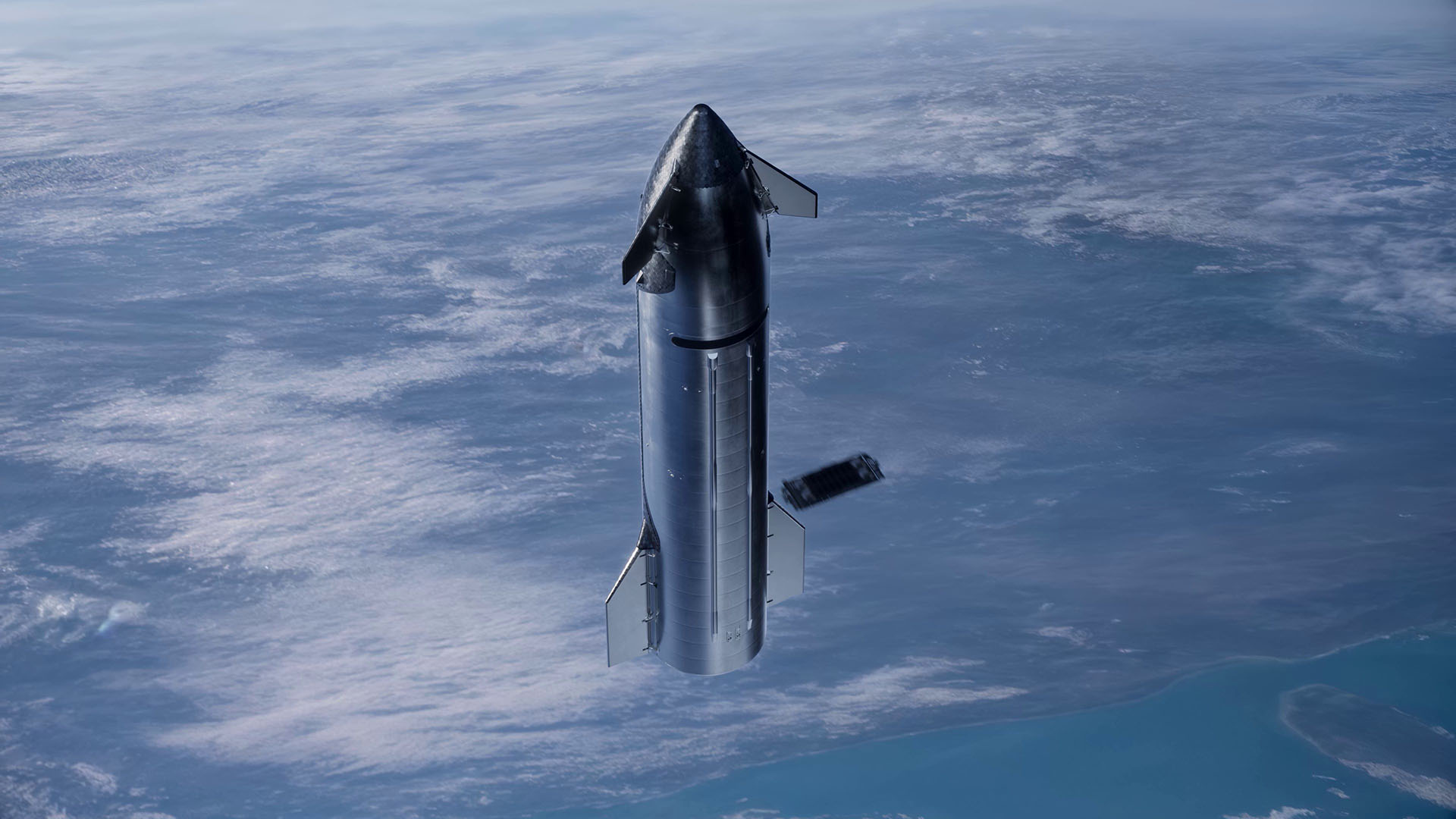
The acquisition by SpaceX points to a strategy far beyond Earth's limitations. The core concept involves leveraging SpaceX's Starship launch capability to place advanced xAI data centers into space. The primary advantages are two-fold: access to near-unlimited solar power without atmospheric interference, and the ability to dissipate the immense heat generated by AI supercomputers directly into the vacuum of space. This solves two of the most critical bottlenecks facing the AI industry's rapid expansion—energy consumption and thermal management. By moving the most power-hungry computational workloads off-planet, the venture aims to create a scalable, sustainable backbone for advanced AI development.
Tesla's $2 Billion Bet: More Than Just Financial Support
Tesla's substantial financial injection is a strategic masterstroke with multiple layers. Firstly, it secures Tesla a privileged seat at the table for the most advanced AI and compute resources imaginable, which are critical for the development of full self-driving (FSD) technology, the Tesla Bot, and next-generation vehicle AI. Secondly, it represents a massive vertical integration of Tesla's AI supply chain, insulating it from the ground-based GPU and data center scarcity plaguing competitors. The investment is not a donation but a direct stake in infrastructure that will accelerate Tesla's own roadmap at a pace competitors cannot match.
This triad of companies—SpaceX, xAI, and Tesla—creates a synergistic flywheel. SpaceX provides the launch and orbital platform, xAI develops the frontier AI models and data center hardware, and Tesla acts as both a foundational investor and the primary terrestrial customer with an insatiable appetite for processing power. The data generated by Tesla's global fleet of millions of vehicles feeds and trains the AI, which in turn becomes more capable, enhancing the vehicles and attracting more customers. It is a closed-loop system of unprecedented scale and ambition.
Implications for Tesla Owners and Investors
For Tesla owners, this long-term play promises a continuous and exponential improvement in vehicle intelligence. Access to space-based compute could drastically reduce the iteration time for FSD improvements and enable vastly more complex AI features that are currently computationally prohibitive. For investors, the $2 billion investment underscores the critical priority of AI dominance within Tesla's valuation thesis. While it is a significant capital allocation, it strategically future-proofs the company's core advantage. The move also further intertwines Tesla's growth with the success of Musk's broader ecosystem, presenting a unique, high-risk, high-reward proposition that is fundamentally different from any other automaker or tech company on the planet.