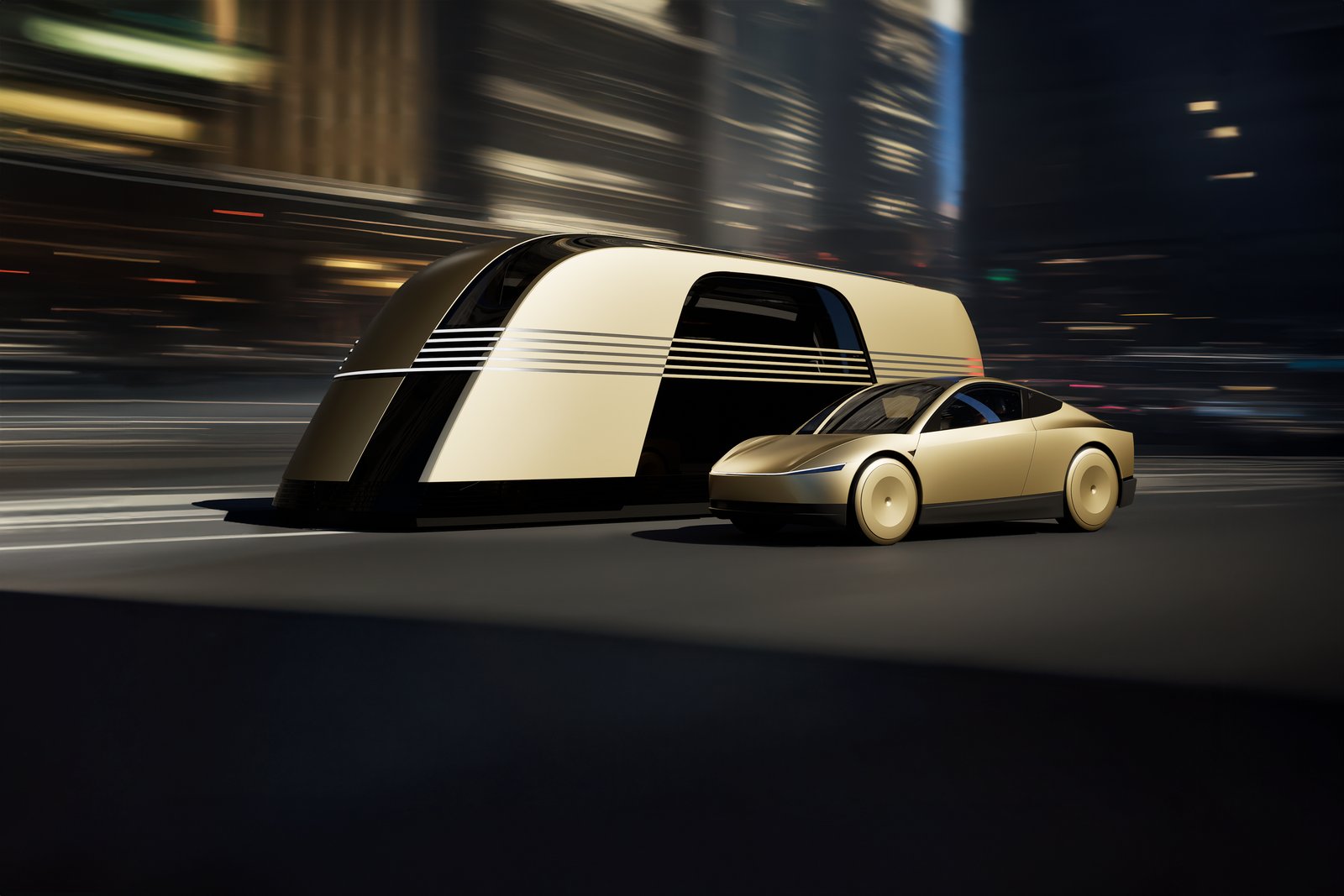
Tesla just made its most disruptive pricing move in years, and most of the internet missed it. While attention locked onto Starship's 15th launch, the company put the steering-less Cybercab on sale for $29,990. The price lands inside the sub-$30,000 range Elon Musk has floated for years, and it arrives before the end of 2026, as he promised.
A $29,990 robotaxi with a catch
The headline number is aggressive. At $29,990, the Cybercab undercuts most mainstream electric vehicles and many gas-powered crossovers. It also has no steering wheel and no pedals, so the car is built around autonomy rather than a human driver.
The caveat matters. Tesla says customer units are for personal use only. Owners cannot, at least for now, put their Cybercab to work in a ride-hailing fleet. That keeps commercial robotaxi revenue with Tesla and its own network, at least initially.
Why the personal-use limit matters
The restriction shows how Tesla wants to build its autonomy business. Selling the car at a consumer price puts a driverless EV in the hands of buyers. Keeping commercial operation in-house protects the larger prize, which is the recurring revenue from a Tesla-controlled ride-hailing service. Analysts have long argued that the economics of autonomy are worth far more than the margins on any single vehicle.
The approach also gives Tesla a way to manage regulatory risk. A vehicle with no manual controls raises questions about safety certification and where it may operate. Limiting early customer use is a more controlled way to roll out a product that regulators are still learning to evaluate.
What it means for Tesla owners and investors
For Tesla owners, the Cybercab signals where the company's priorities lie. A $29,990 autonomous car suggests Tesla sees its future in software and driverless mobility, not just in the Model 3 and Model Y. Buyers weighing a purchase should read the terms closely, particularly the personal-use rule and the details of how the car's autonomy will work.
For TSLA investors, the move turns a long-promised concept into a product with a price tag. Delivery timing, production volume and regulatory approval will decide whether the Cybercab becomes a real revenue driver or stays a headline. The sticker price is now public, and Tesla will be judged on how quickly it puts these cars on the road.