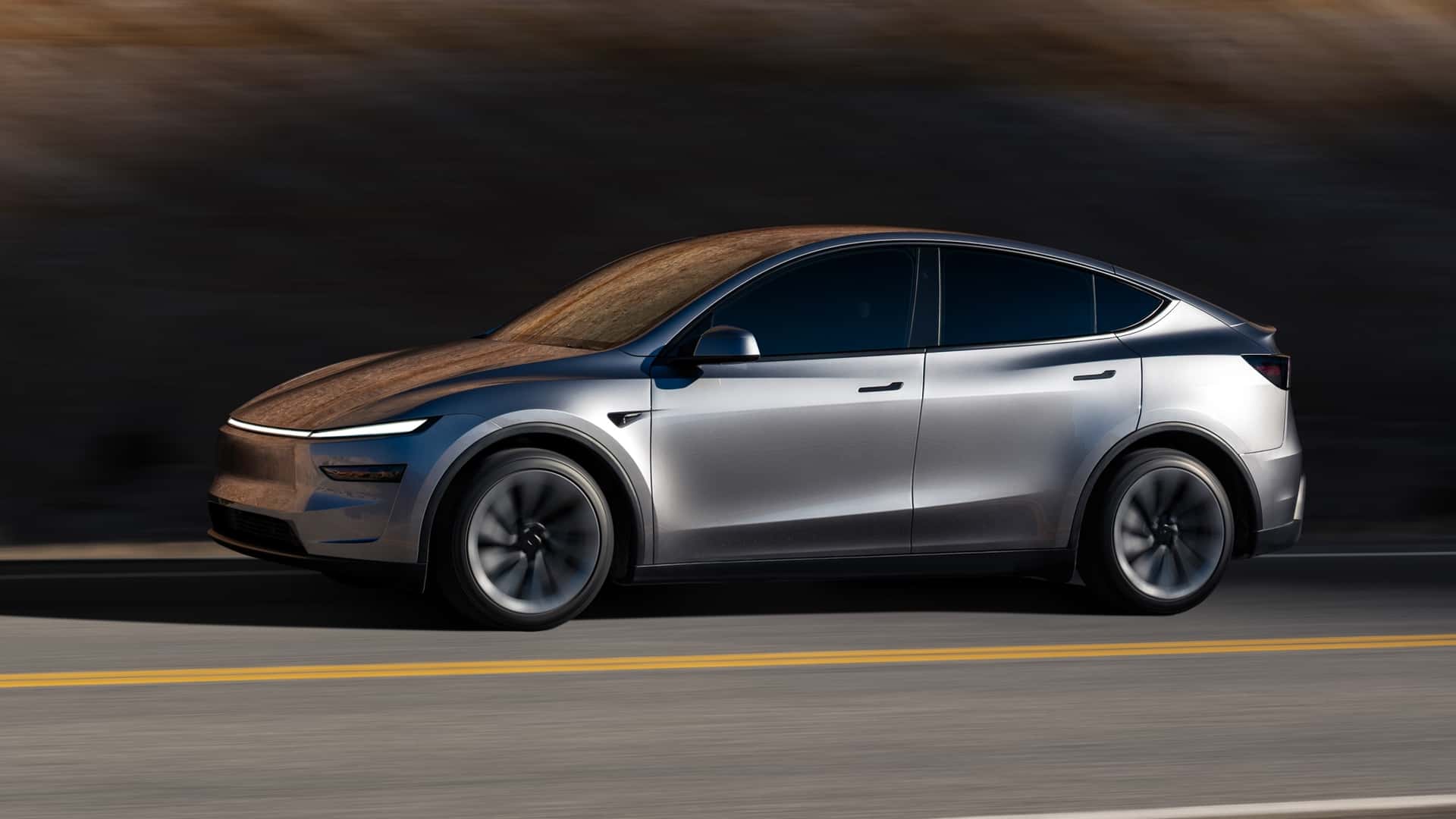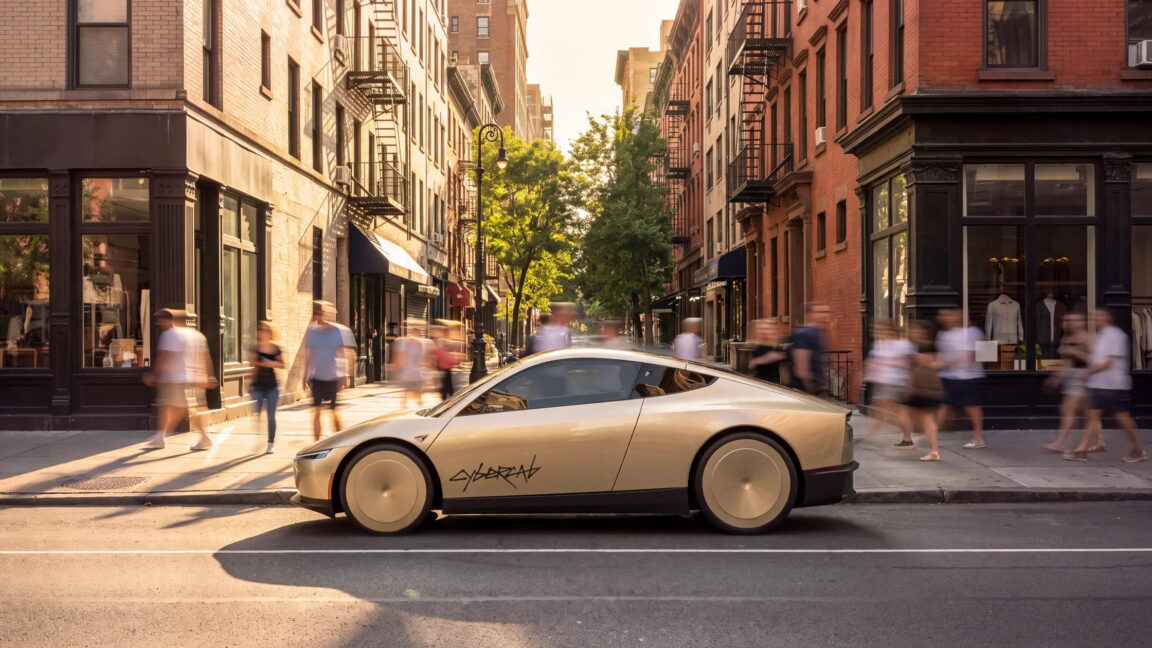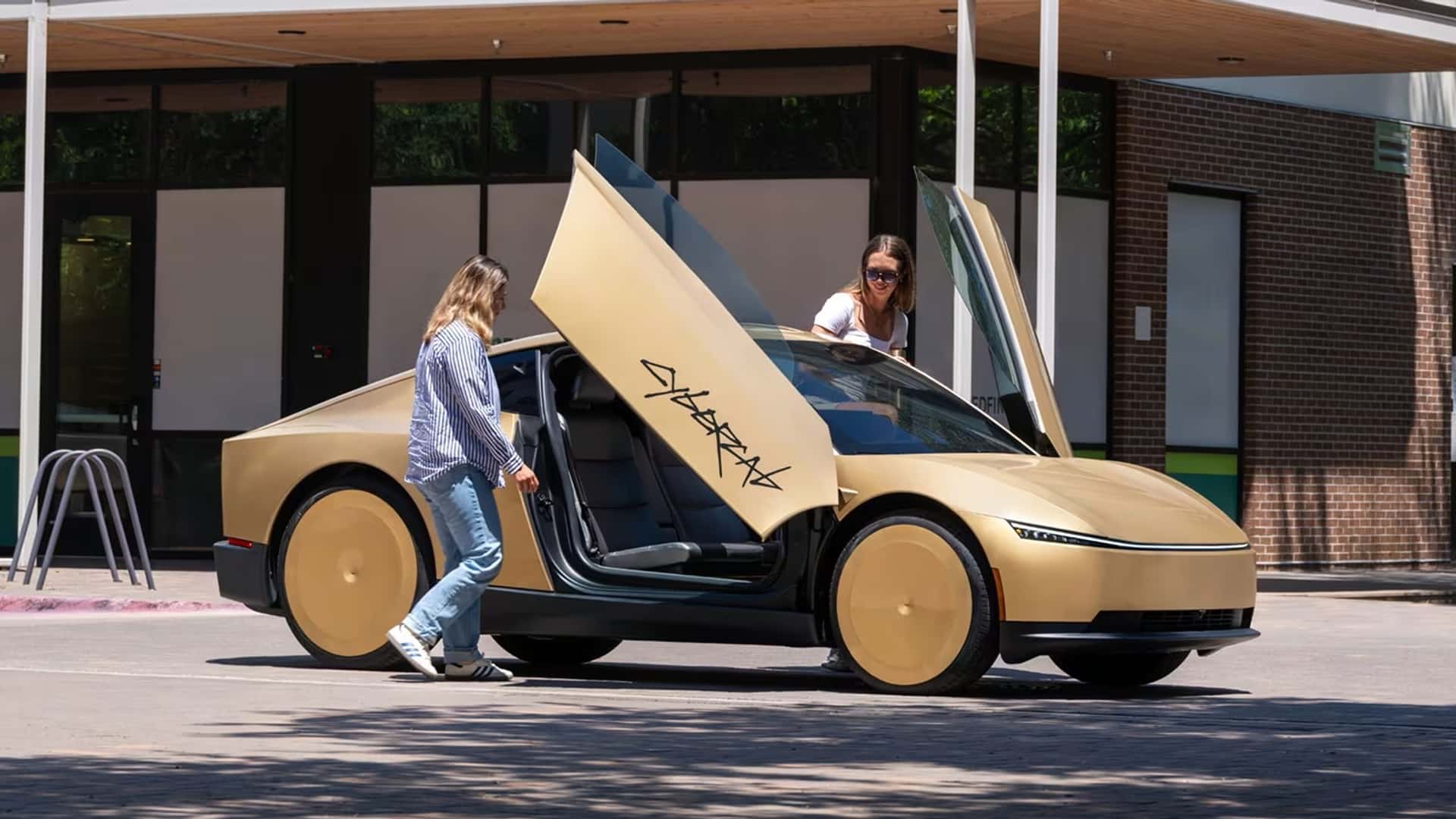
Tesla's robotaxi ambitions just took another decisive step forward. The company has confirmed that its purpose-built Cybercab—the two-seat, steering-wheel-free vehicle unveiled to much fanfare in 2024—is now operating in Dallas, marking the second major U.S. market to host the driverless service following its debut in Austin. The expansion signals that Tesla intends to scale its autonomous ride-hailing network far faster than many industry analysts had predicted, and it puts the company's Full Self-Driving technology under the brightest public scrutiny yet.
From Austin to Dallas: A Deliberate Rollout Strategy
Tesla's choice of Texas as the launchpad for its robotaxi service is no accident. The state offers a permissive regulatory environment for autonomous vehicles, and Tesla's Gigafactory Texas—located just outside Austin—provides a logistical backbone for vehicle production, maintenance, and rapid iteration. The move into Dallas, the state's third-largest city and a sprawling metroplex of more than 7.5 million residents, represents a meaningful test of whether the Cybercab can handle denser traffic patterns and longer highway stretches than its Austin proving grounds.
The company has not disclosed precise fleet numbers for Dallas, but the expansion follows Tesla's established playbook: launch small, gather real-world data, and scale once safety metrics hold steady. Each new city adds millions of miles of training data to the neural network underpinning the system—a flywheel that Tesla CEO Elon Musk has long argued is the company's ultimate competitive moat against rivals like Waymo and Zoox.
The Cybercab Difference: Purpose-Built, Not Retrofitted
Unlike competitors that retrofit conventional sedans and SUVs with sensor arrays, Tesla's Cybercab was designed from the ground up for driverless operation. The vehicle features no steering wheel or pedals, a minimalist two-seat cabin, and inductive wireless charging—removing the need for human intervention between rides. Tesla has positioned the Cybercab as a sub-$30,000 vehicle aimed at both fleet operators and individual owners who want to earn income by dispatching their cars to the ride-hailing network when not in personal use.
The Dallas launch will be watched closely for how the vehicle performs in real-world conditions, particularly in a city known for aggressive highway driving and unpredictable weather. Tesla has not released detailed safety or disengagement statistics for the Austin operation, and regulators—including the National Highway Traffic Safety Administration—are expected to monitor the Dallas rollout with interest. Any high-profile incident could invite tougher oversight at precisely the moment Tesla is trying to prove its technology is ready for prime time.
What the Expansion Means for Tesla's Bottom Line
The robotaxi business is central to Tesla's long-term valuation thesis. Musk has described autonomous ride-hailing as potentially the largest revenue driver in the company's history, dwarfing vehicle sales. Wall Street has priced in enormous expectations: bullish analysts value the robotaxi segment in the hundreds of billions of dollars, while skeptics argue the timelines remain unproven and the regulatory path uncertain. The Dallas launch is therefore more than a product milestone—it is a proof point for the entire growth story.
For Tesla owners, the expansion hints at a future where personal vehicles can generate passive income through the ride-hailing network, though the company has not yet opened Cybercab participation to individual owners. For investors, the key metrics to track will be fleet utilization rates, cost per mile, and—above all—safety records as the service scales into new cities. If Dallas goes smoothly, expect Tesla to announce additional markets in short order; if it stumbles, the scrutiny will intensify accordingly.
The coming months will reveal whether the Cybercab's Texas two-step is the beginning of a nationwide rollout or a cautionary tale about the gap between ambition and execution. Either way, Tesla has made one thing clear: the driverless era, at least in its home state, is no longer a promise—it is a service you can hail.