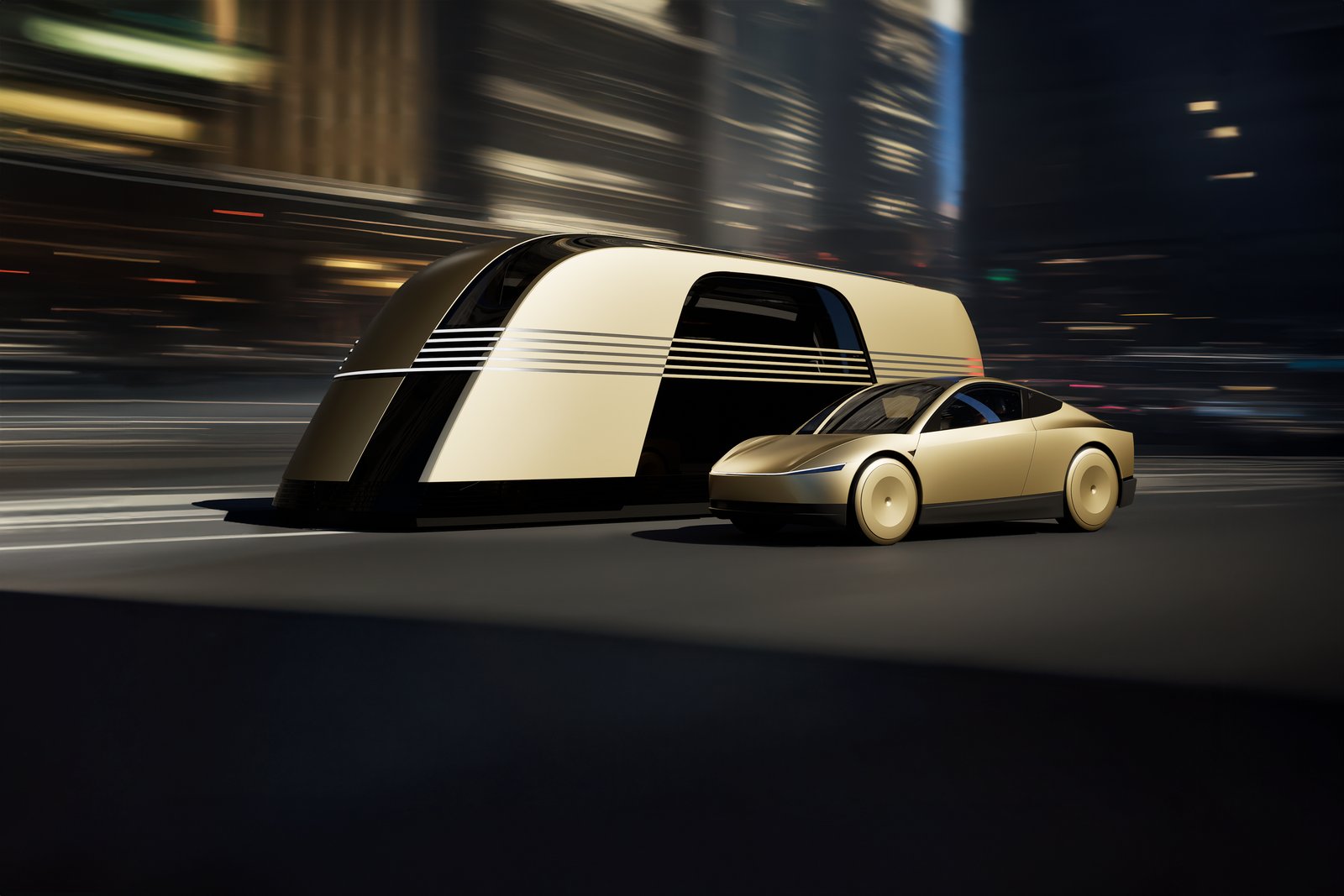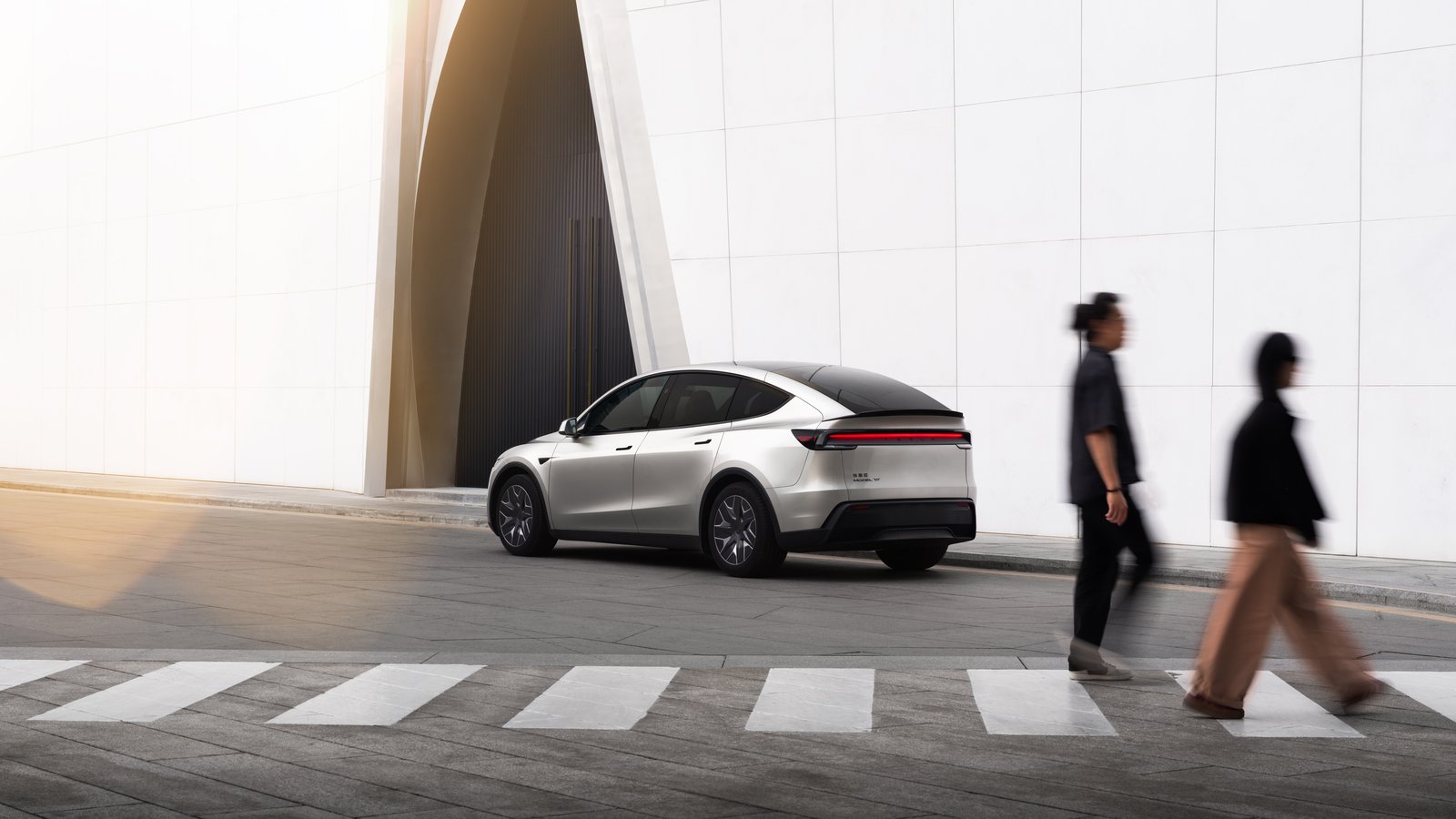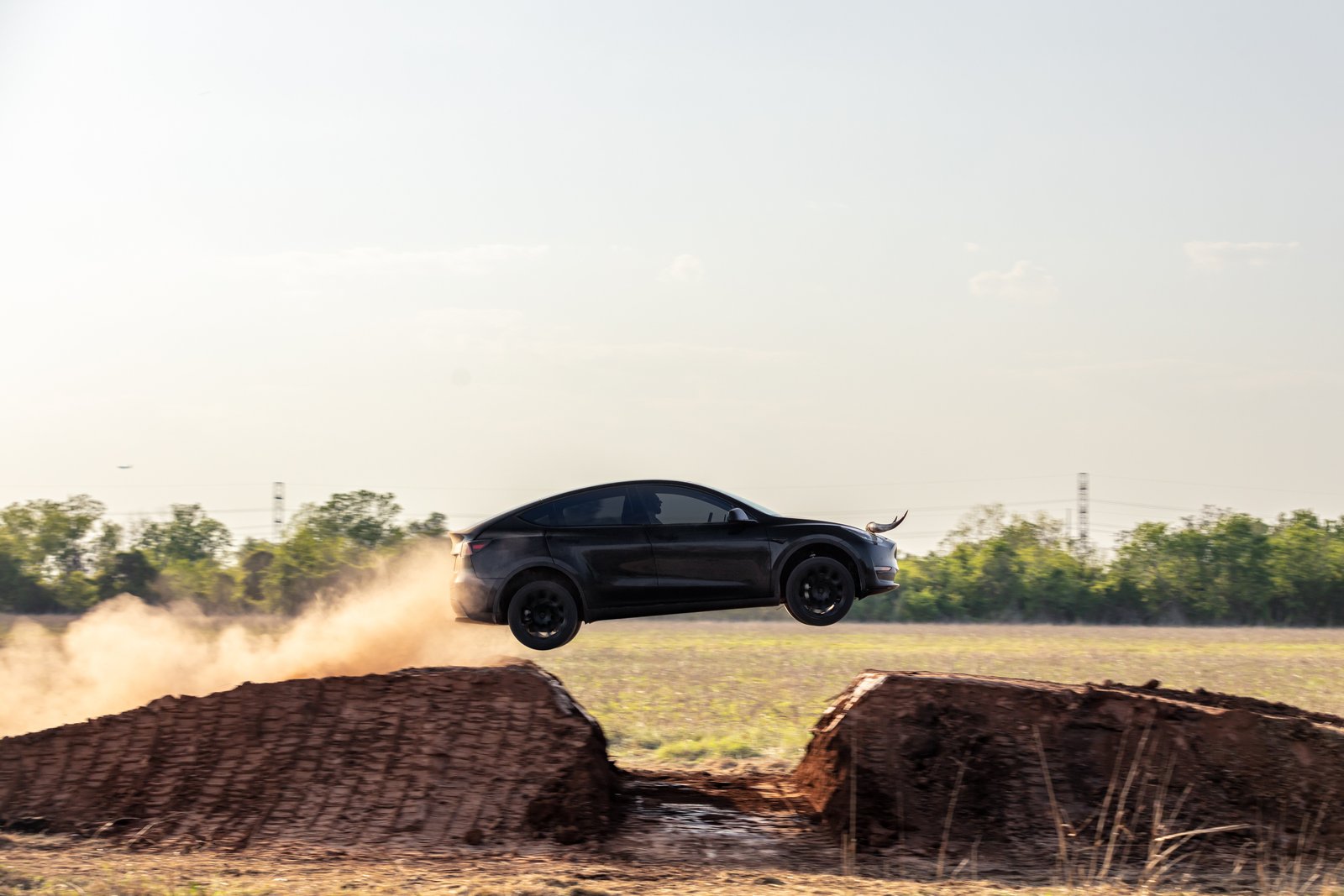
Tesla's robotaxi fleet in Texas just crossed a symbolic line: Cybercabs now outnumber Model Ys. According to the state's public registry, the company listed 1,556 robotaxis as of November 25, including 822 Cybercabs and 734 Model Ys. The purpose-built, steering-wheel-free vehicle has become the largest part of Tesla's autonomous EV fleet in the state.
49 New Cybercabs in 24 Hours
The latest filing added 49 vehicles in a single day. Every one of them is a 2027 model-year Cybercab. No new Model Ys appeared in the update. That detail matters because it shows where Tesla is directing its autonomous electric vehicle expansion: toward the dedicated robotaxi platform rather than converted consumer cars.
The registry numbers are a snapshot, not a deployment guarantee. A listed vehicle is not necessarily operating commercially on public roads. Still, the data offers a rare, independent view of Tesla's scale-up, and it comes from a government source rather than company messaging. The 2027 model-year designation also suggests Tesla is already building to its next product cycle.
Why the Cybercab Majority Matters
The Cybercab is designed from the ground up for ride-hailing. It has no conventional driver controls, and Tesla built it to cut per-mile costs. The Model Y robotaxis, by contrast, are standard vehicles running Tesla's autonomy software. A fleet that leans toward Cybercabs signals that production ramp-up is progressing, at least by registration counts.
The shift also changes the economics. A dedicated vehicle can lower manufacturing and maintenance costs and simplify cabin design. If Tesla keeps adding Cybercabs at anything near the 49-per-day pace seen in this filing, the fleet could grow quickly. But a single day is a thin basis for projecting a trend, and regulatory approvals, safety performance and operating zones will limit how fast the vehicles can earn revenue.
What It Means for Owners and Investors
For Tesla investors, the registry is a tangible data point in a story that has long relied on promises. A fleet of 1,556 registered robotaxis in one state supports the argument that autonomy is moving from pilot to scale. Watch the next filings for sustained additions, and for whether Model Y numbers stay flat.
For Tesla owners, the Cybercab-heavy mix suggests the company's robotaxi network may rely less on consumer vehicles than some had expected. Any plan to add personal cars to the network would depend on separate approvals and software milestones. For now, the Texas registry shows a fleet that is growing fast and tilting toward the vehicle Tesla built for the job.