For Tesla owners in France, the Supercharger network has long been the gold standard for seamless, reliable long-distance travel. But as the electric vehicle landscape matures and driver needs diversify, reliance on public, non-Tesla fast-charging networks is becoming inevitable. The critical questions for 2026 revolve around accessibility, simplicity, and cost: how do you navigate the fragmented public charging ecosystem, and does Tesla's promised universal solution, the Tesla Multipass, deliver on its pledge to unify the experience?
The Multipass Promise: A Universal Key for Europe?
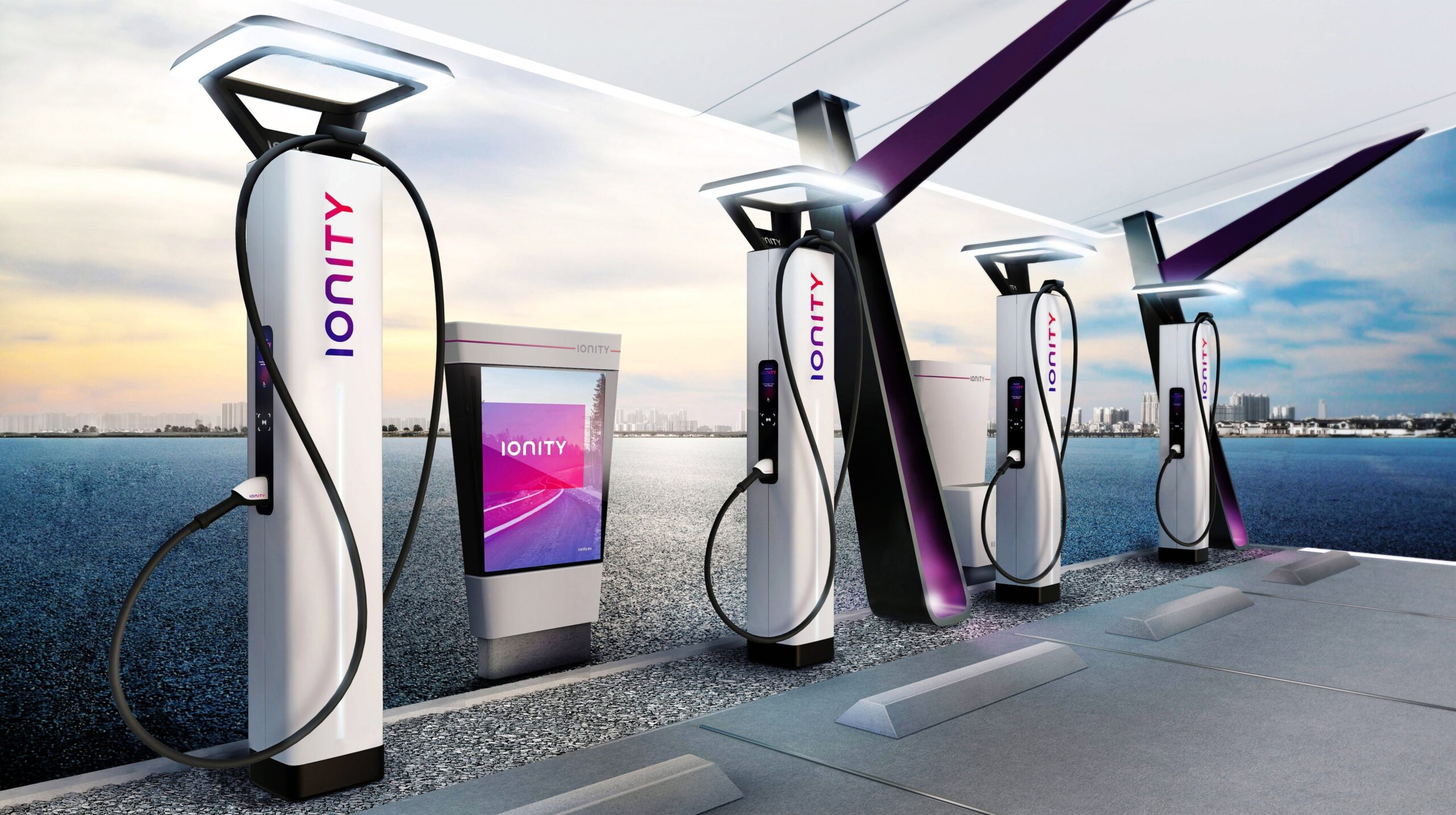
Tesla's Multipass initiative represents a strategic pivot from a closed ecosystem to an open charging philosophy. In theory, it functions as a single badge or account that grants access to a curated selection of third-party charging networks across Europe, directly through the Tesla vehicle's interface. In France, this includes major players like Ionity, known for its ultra-high-power corridors, and Chargemap, a vast aggregator of public points. The value proposition is powerful: eliminate the need for multiple RFID cards and disparate apps, while maintaining the plug-and-charge simplicity Tesla drivers expect. However, the rollout and consistent functionality across all promised partners remain under scrutiny, with some users reporting sporadic integration issues that undermine the "universal" claim.
Cost Comparison: Supercharger Premium vs. Public Network Variability
Financially, the equation is no longer straightforward. Tesla Supercharger pricing, while dynamic, has traditionally carried a premium for its convenience and guaranteed compatibility. In contrast, the public network offers a wider range of costs. Ionity, for instance, often has high per-kWh rates for ad-hoc users but significantly reduced costs for those with subscription plans from partner automakers. Using an aggregator like Chargemap can unlock more favorable rates across thousands of chargers. The analysis for 2026 shows that for a Tesla owner on a long journey, a Supercharger might still be the fastest, most reliable option. Yet, for those charging near home or willing to plan slightly, leveraging Multipass-access networks with subscription models could lead to substantial savings, challenging the assumption that non-Tesla charging is always more expensive.
The operational reality involves more than just cost and access. Charging speed, connector compatibility (despite the widespread adoption of the CCS standard), and charger reliability vary greatly. An Ionity station may deliver a blistering 350 kW, but a Tesla's charging curve will determine the actual benefit. Furthermore, the driver experience at a third-party charger—payment friction, parking logistics, and maintenance—still lags behind the refined Supercharger process. This is where the success of Multipass is critical; its true test is whether it can mask these complexities and deliver a near-Tesla-native experience.
Implications for Tesla Owners and Investors
For Tesla owners in France, the evolving public charging scene, spearheaded by initiatives like Multipass, is a net positive. It grants unprecedented flexibility and can reduce energy costs, effectively turning the entire country's fast-charging infrastructure into a potential extension of the Tesla network. The onus is on Tesla to ensure the Multipass integration is flawless and consistently expanded. For investors, this strategy underscores Tesla's dual role as both a competitor and an enabler in the EV ecosystem. By opening its drivers to third-party networks, Tesla is mitigating infrastructure anxiety for potential buyers, which boosts vehicle sales. Simultaneously, it is positioning the company as a central hub for electric mobility, collecting valuable data on charging behavior and solidifying its brand as the most connected and convenient platform for electric driving, regardless of the charge point's logo.