The National Highway Traffic Safety Administration (NHTSA) has officially closed its long-running investigation into Tesla's Smart Summon feature, delivering a significant regulatory win for the automaker. The probe, which began in October 2019 and scrutinized approximately 800 consumer complaints, concluded without demanding a recall. This decision underscores the agency's current stance on low-speed, driver-supervised automation systems and removes a persistent cloud of uncertainty that has hung over one of Tesla's most distinctive driver-assist functions.
A Deep Dive into the Smart Summon Investigation
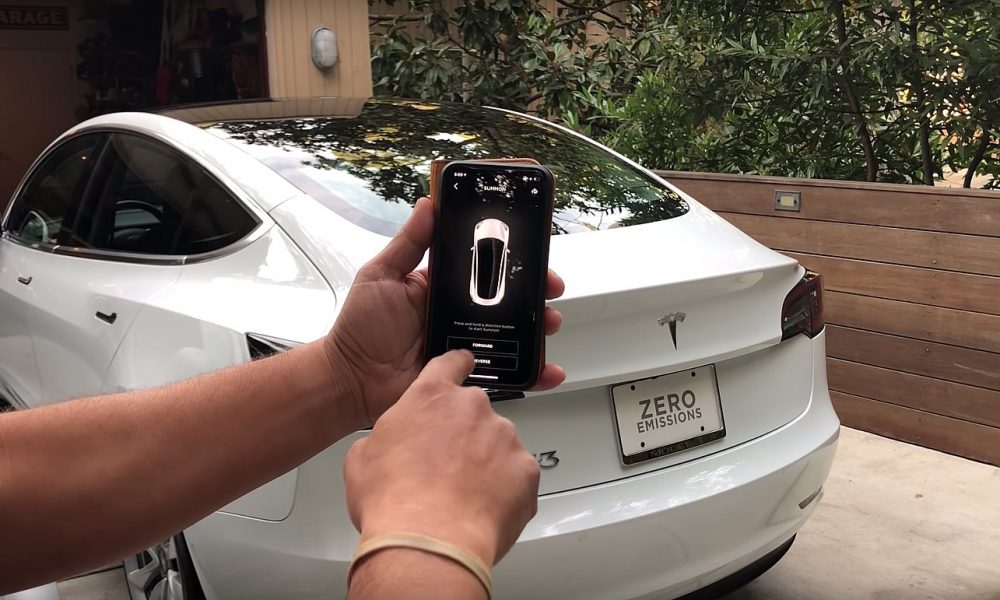
NHTSA's Office of Defects Investigation (ODI) launched the probe following reports of incidents where Tesla vehicles operating under Smart Summon collided with stationary objects, other vehicles, or exhibited unpredictable behavior in parking lots. The feature, part of the Full Self-Driving (FSD) and Enhanced Autopilot packages, allows owners to maneuver their parked car across a parking lot to their location using the Tesla smartphone app. The investigation focused on 2015-2023 Model S, Model X, Model 3, and Model Y vehicles equipped with the feature, analyzing its performance and potential safety risks in complex, low-speed environments.
Why NHTSA Closed the Case
In its closing resume, NHTSA stated that while it identified 467 crashes or impacts potentially linked to Smart Summon use, the "relatively low vehicle speeds" and the fact that the feature is intended for use on private property were key factors in its decision. Crucially, the agency noted that the driver remains responsible for supervision and must intervene if necessary. NHTSA concluded that the evidence did not point to a systemic defect, but rather to "expected driver misuse and foreseeable abuse of the feature." This framing places the onus of safe operation squarely on the human user, a recurring theme in the regulation of advanced driver-assistance systems (ADAS).
The closure of this probe is a notable event in the evolving landscape of autonomous vehicle regulation. It signals a regulatory distinction between high-speed automated systems on public roads and low-speed, geo-fenced features like Smart Summon. For Tesla, it validates the company's approach of deploying and iterating on such features under the umbrella of supervised autonomy. However, the investigation's findings of numerous minor incidents serve as a stark reminder that public understanding and proper use of these systems remain a critical challenge for the entire EV and autonomy industry.
Implications for Tesla Owners and Investors
For current Tesla owners, the closed investigation means continued access to Smart Summon without modification, reinforcing the value proposition of the FSD package. However, the NHTSA report is a powerful reminder that the feature requires extreme vigilance and situational awareness; it is not a fully autonomous valet. For investors, the resolution eliminates a tangible regulatory overhang and potential financial liability. More broadly, it provides a clearer, albeit narrow, regulatory pathway for Tesla to continue developing and deploying similar low-speed automation features, potentially paving the way for more advanced applications in the future as the company refines its vision for autonomous driving.