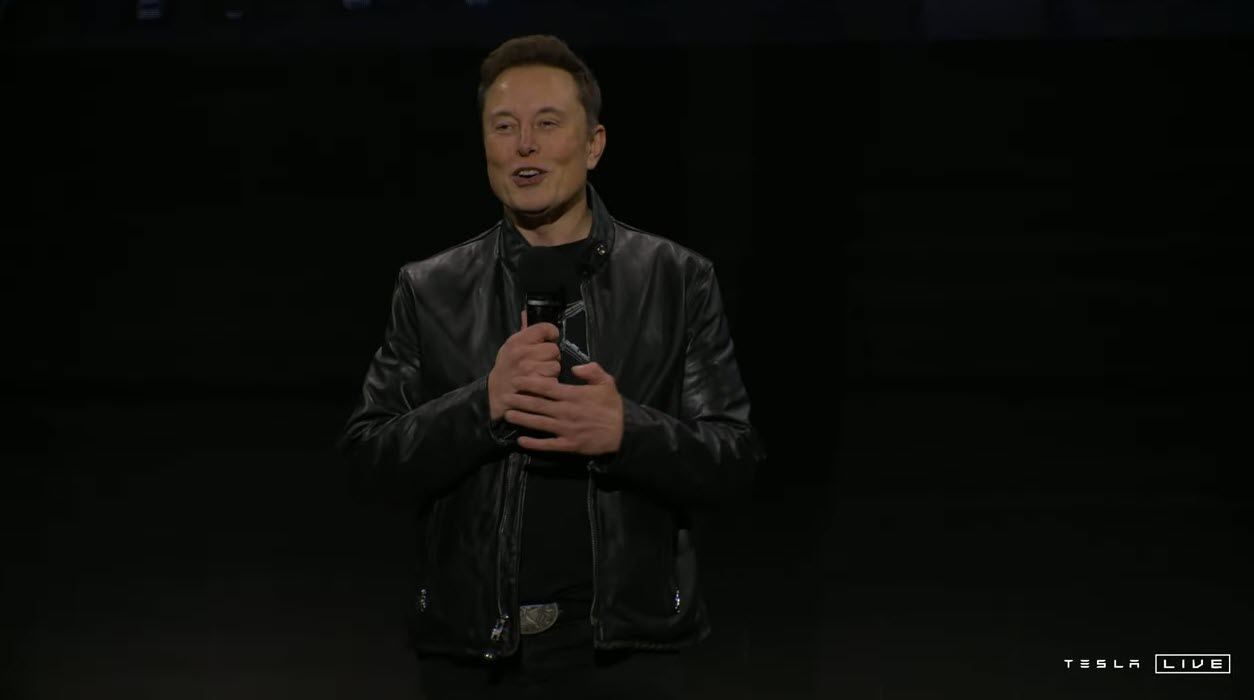
A wave of downward revisions from prominent Wall Street analysts has sent a jolt through Tesla's investment community, signaling a significant shift in sentiment on Wall Street. In a coordinated shock move, three major financial firms have slashed their price targets for the electric vehicle pioneer, citing concerns over near-term delivery growth and macroeconomic pressures. This collective bearish turn underscores the growing tension between Tesla's long-term technological ambitions and the quarterly delivery numbers that still heavily influence its stock valuation.
Wall Street's Myopic Focus on Deliveries
The core of the analysts' concern appears rooted in Tesla's automotive fundamentals. Despite the company's repeated framing of itself as more than a car company, quarterly delivery figures remain the primary pulse check for the market. The recent price target cuts reflect anxieties about softening demand, increased competition, and the potential for missed delivery estimates in upcoming quarters. This creates a challenging narrative environment for Tesla, as it must balance executing in the immediate-term automotive market while investing billions in future-facing projects that have yet to generate substantial revenue.
Tesla's Internal Compass Points Beyond the Car
Internally, Tesla's focus is starkly different from the Wall Street quarterly grind. Leadership is channeling resources and attention toward what it calls "end-to-end AI," the foundational technology for its next act. The imminent unveiling of the dedicated Robotaxi platform on August 8th, the relentless development of its Full Self-Driving (FSD) software, and the advancement of the Optimus humanoid robot represent the strategic pillars of this future. For CEO Elon Musk, the automotive business is increasingly a means to fund and deploy these autonomous and robotic systems at scale.
The widening gap between these two perspectives—Wall Street's delivery obsession and Tesla's AI odyssey—is the central drama playing out in these analyst notes. The firms lowering targets are essentially applying a traditional automotive discount rate to a company betting its valuation on becoming a leader in artificial intelligence and autonomy. This fundamental disagreement on what Tesla truly *is* creates volatility, as investors struggle to price a company transitioning between two vastly different economic models.
Implications for the Tesla Ecosystem
For Tesla owners and investors, this analyst pivot is a moment for strategic clarity. The lowered price targets may introduce heightened short-term stock volatility, presenting both risk and opportunity. For long-term believers, the narrative remains unchanged: the investment thesis hinges on the successful commercialization of FSD, the Robotaxi network, and other AI initiatives. However, these revisions are a stark reminder that the path will be capital-intensive and punctuated by periods where automotive execution faces scrutiny. The coming months, especially with the Robotaxi reveal, will be critical in demonstrating tangible progress toward that AI-driven future to regain Wall Street's confidence.