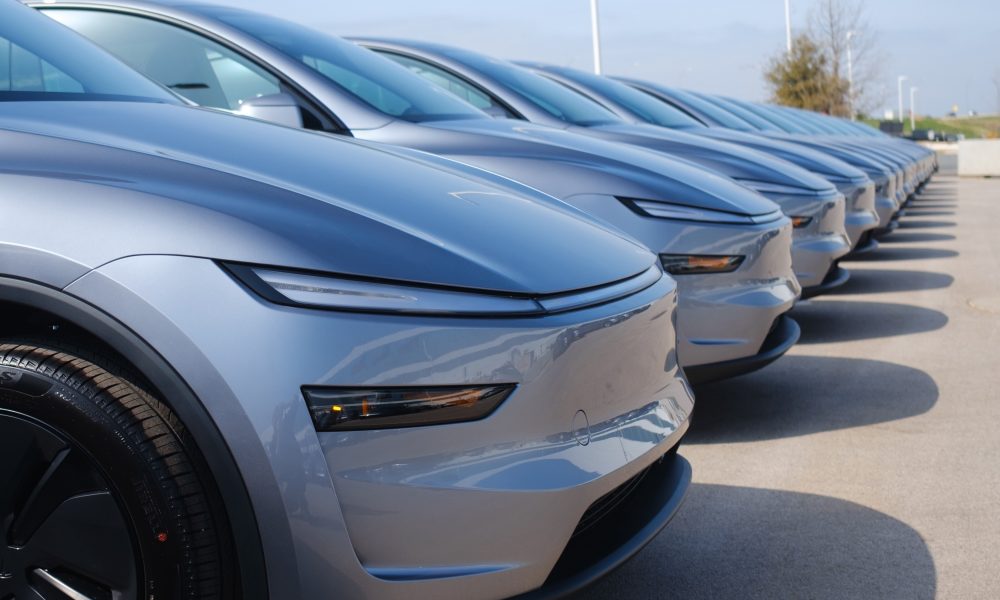
While legacy automakers grapple with software interfaces stuck in the 2010s and Wall Street analysts obsess over quarterly delivery numbers, Elon Musk has drawn a line in the sand. The conversation is no longer about horsepower or leather trim. We are witnessing the birth of a new paradigm, where the car is merely the hardware substrate for an exponentially growing artificial intelligence. The industry's focus on incremental EV adoption has blinded it to the coming seismic shift: the world is utterly unprepared for the leap from AI4 to AI7 that Tesla is engineering.
From Hardware-Centric to AI-First: Redefining the Automobile
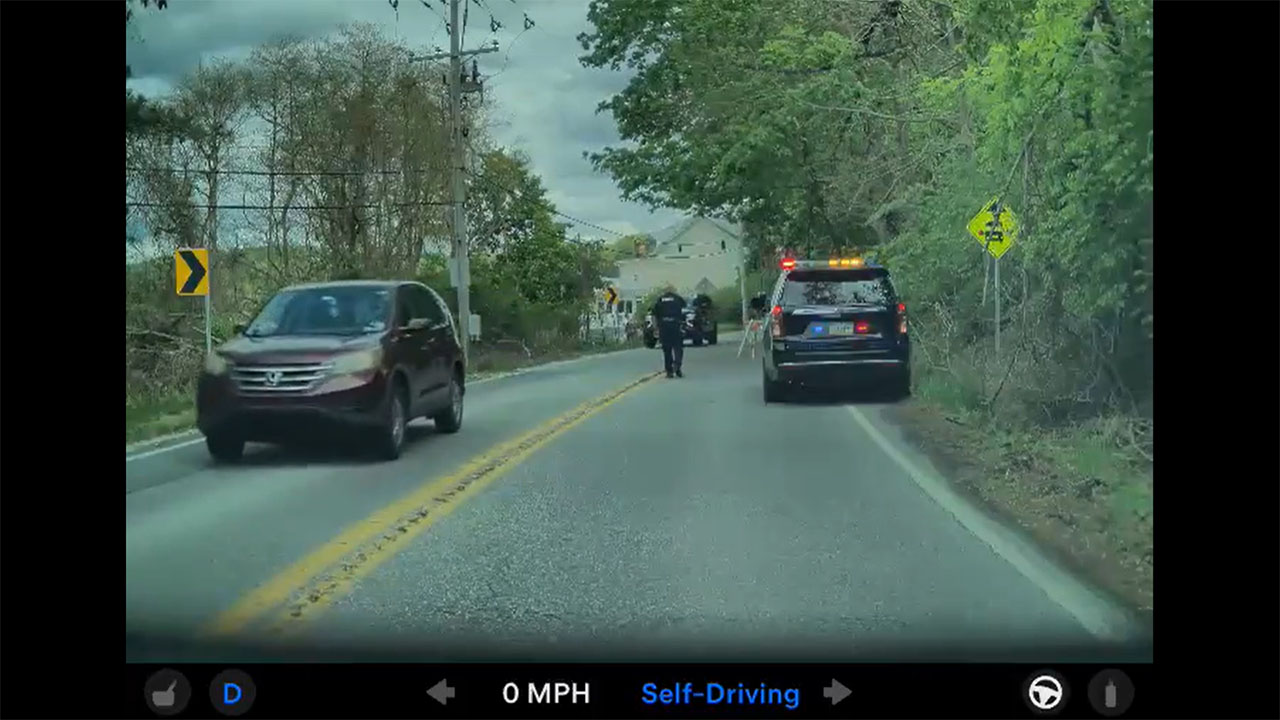
The traditional automotive playbook is obsolete. Tesla's endgame, articulated through its Full Self-Driving (FSD) and Optimus robot projects, frames the vehicle not as a product, but as a node in a vast, learning neural network. The jump from AI4 to AI7 represents more than incremental software updates; it signifies a transition to a level of machine reasoning and environmental understanding that will make current "smart" cars appear rudimentary. This evolution is powered by Dojo, Tesla's in-house supercomputer, which is designed to process millions of video streams to train a unified AI model at a scale no competitor can match. The value proposition shifts from miles of range to miles of autonomous, decision-making capability.
The Looming Chasm for Legacy Auto and Infrastructure
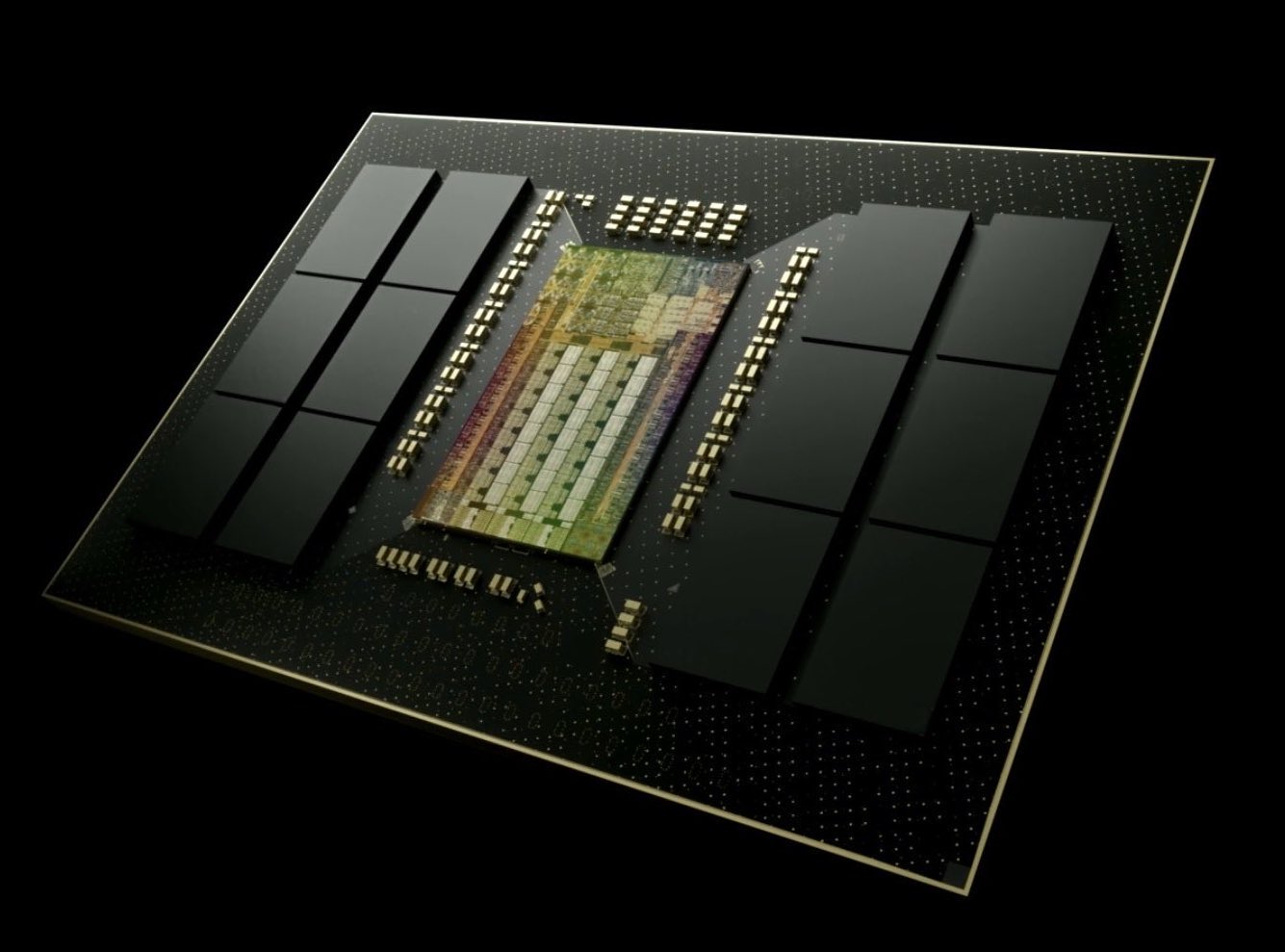
The unpreparedness is systemic. Regulatory frameworks worldwide are built around human drivers, not neural networks making split-second navigational judgments. City infrastructure lacks the connectivity and redundancy for a mixed fleet of human and AI7-level autonomous vehicles. Most critically, competing automakers are structurally incapable of keeping pace. Their reliance on fragmented supply chains for ECUs and tier-one suppliers for piecemeal software creates insurmountable bottlenecks. Tesla's vertical integration—from chip design (D1) to training infrastructure to vehicle manufacturing—creates a closed-loop, iterative flywheel for AI development that leaves rivals attempting to bolt intelligence onto a fundamentally different architecture.
For Tesla owners and investors, the implications are profound. Owners of vehicles with the Hardware 4 suite and beyond are not just buying a car; they are acquiring an asset designed to appreciate in capability. The FSD software's value could skyrocket as it approaches generalized autonomy, fundamentally altering vehicle depreciation curves. For investors, the financial model transforms. Recurring high-margin software revenue from subscriptions and AI services will eventually dwarf the one-time margin from vehicle sales. The market, still valuing Tesla primarily as a car company, has yet to price in the economic model of a vertically integrated AI and robotics firm. The race isn't for EV dominance; it's for the foundational intelligence that will power the next era of mobility, and Tesla is building the engine.