Wireless charging has long been the elusive holy grail for electric vehicles, promising ultimate convenience but hampered by significant efficiency losses. A newly uncovered Tesla patent suggests the company is engineering an elegant, integrated solution to this stubborn problem, leveraging a system already present in its vehicles to close the critical gap.
The Patent: Active Suspension as a Precision Tool
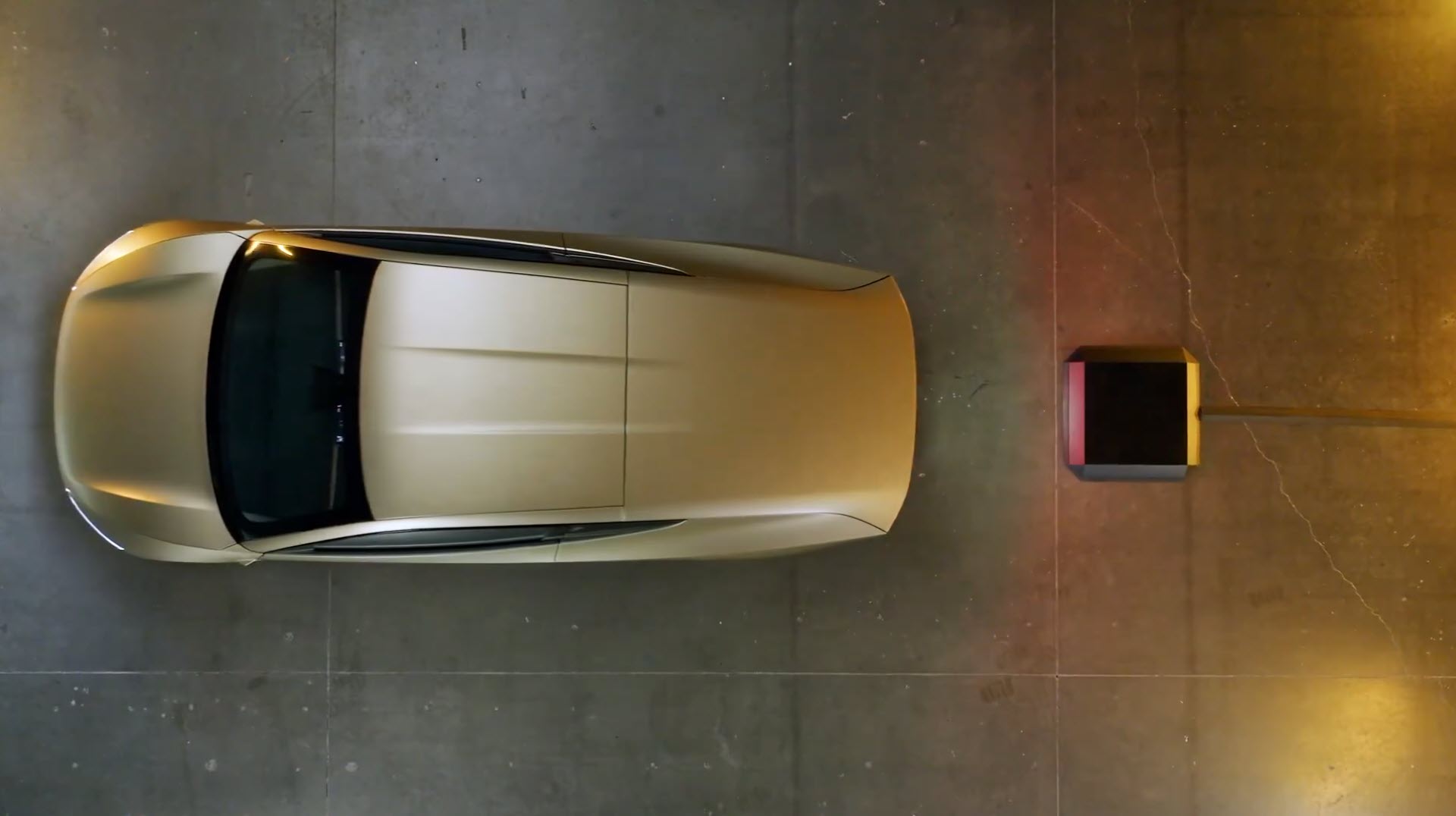
The patent, titled "Wireless Charging Alignment Using Vehicle Suspension," details a method where a vehicle's air suspension system is employed not for comfort, but for precision alignment. The core challenge with inductive charging is that even a small vertical or horizontal gap between the vehicle's receiver pad and the ground-based transmitter drastically reduces energy transfer. Tesla's system would use sensors to detect this misalignment and then automatically adjust the air springs at each corner to lower or raise the vehicle, bringing the charging coils into optimal proximity. This isn't a one-time park-and-adjust; the system could make real-time micro-adjustments to maintain perfect alignment throughout the charging session, even with passengers entering or exiting the vehicle.
Context and Competitive Analysis
This move places Tesla firmly in the next frontier of EV convenience. While competitors like BMW have explored stationary wireless systems, and startups are developing robotic charging solutions, Tesla's approach is notable for its simplicity and use of existing hardware. It transforms a luxury feature into a critical functional component. The patent also hints at integration with Tesla's advanced Autopark and future autonomous taxi networks, where a vehicle could independently position itself over a charging pad without any human intervention. This isn't merely about convenience for owners; it's a potential cornerstone for a fully automated fleet ecosystem.
The implications for charging efficiency are substantial. Industry experts note that coil misalignment can lead to efficiency drops of 20% or more. By algorithmically minimizing this gap, Tesla's system could bring wireless charging performance much closer to the efficiency of a physical plug, making it a viable and energy-conscious option for daily use. This technological refinement is crucial for broader adoption, as energy waste remains a primary criticism of wireless EV charging technology.
For Tesla owners and investors, this patent is a signal of the company's long-term, systems-level thinking. It demonstrates a commitment to removing the final friction points of EV ownership. While not all patents materialize into products, this filing aligns perfectly with Tesla's history of vertical integration and software-defined vehicle features. The potential rollout of efficient, automated wireless charging would further enhance the value proposition of models equipped with air suspension, possibly creating a new tier of convenience. For investors, it underscores Tesla's continued innovation in core EV infrastructure, a critical moat as the automotive industry's electrification race intensifies.