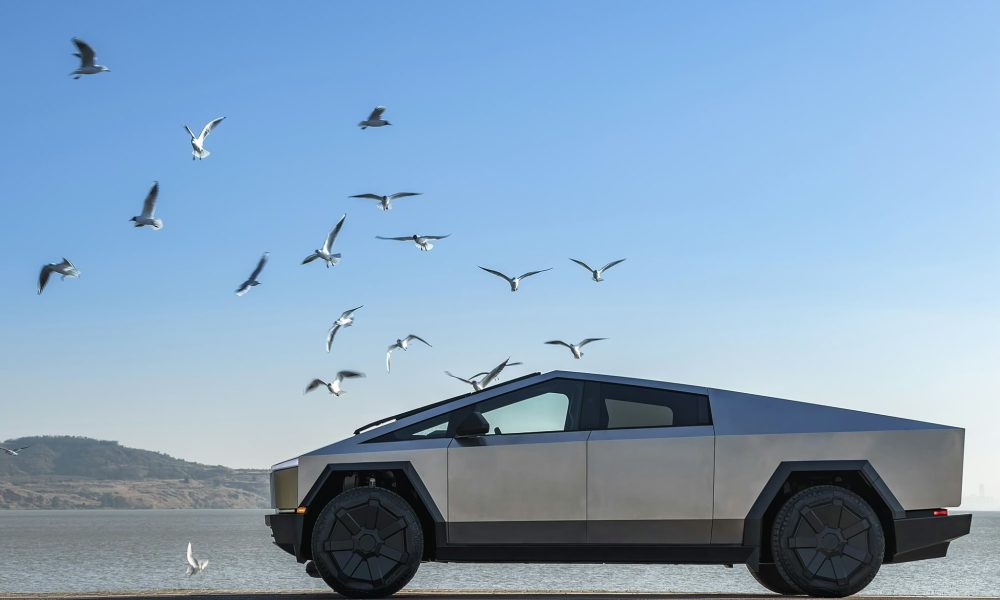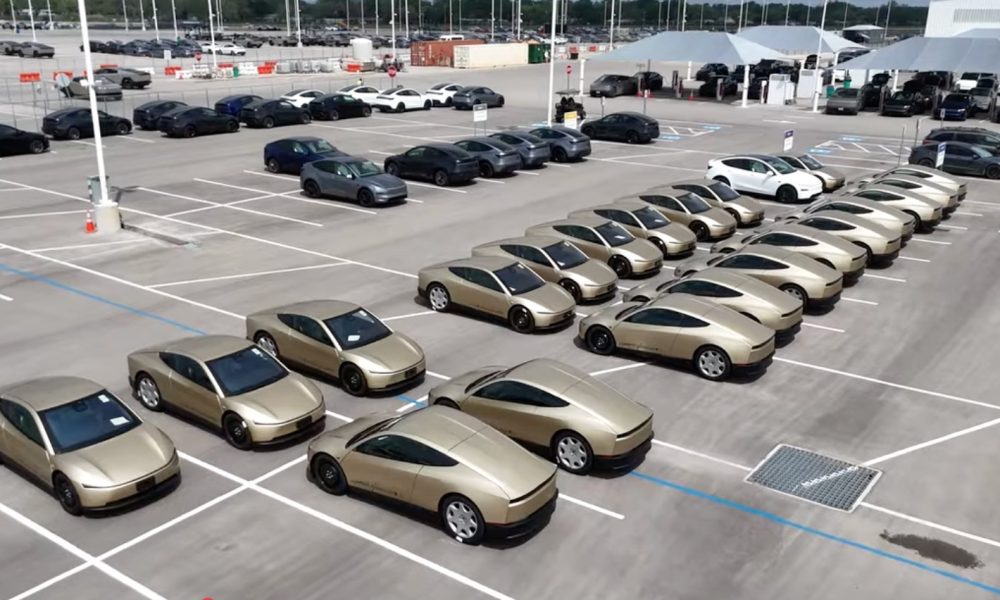
In a move that signals the accelerating reality of its robotaxi ambitions, Tesla has assembled a fleet of over 50 specially modified Cybertrucks, dubbed "Cybercabs," at its Giga Texas facility. The striking visual of dozens of the angular stainless-steel vehicles parked in rows, with several bearing the unmistakable scars of crash testing, provides the most tangible evidence yet that Tesla is moving aggressively to validate its autonomous ride-hailing platform ahead of its promised August 8th unveil.
From Prototype to Production: A Fleet Takes Shape
The gathering of 50+ Cybercab units represents a significant scaling from isolated prototypes. These vehicles are not standard Cybertrucks; they feature clear modifications tailored for commercial service, including integrated sensor suites and what appear to be passenger-centric interior configurations. Their concentration at the factory's crash testing zone is particularly telling. It indicates Tesla is entering a critical phase of real-world safety validation, subjecting the vehicles to rigorous impact assessments to ensure they meet stringent safety standards for a driverless passenger service. This step is non-negotiable for regulatory approval and public trust.
The Crash Test Clues and the Road to Regulatory Approval
The presence of crash-damaged Cybercabs is far from a setback; it is a deliberate and necessary step in the development cycle. Each crumpled panel provides invaluable data on how the unique exoskeleton design and stainless-steel construction perform in collision scenarios, informing both vehicle safety and the response of the autonomous driving system. This data is crucial not only for engineering refinements but also for the complex regulatory pathway ahead. Demonstrating a robust safety case through physical testing will be a key pillar in Tesla's discussions with federal and state authorities who will ultimately grant—or withhold—permission for commercial deployment.
This fleet activity underscores Tesla's "hardware-first" approach to the robotaxi ecosystem. While the success of the Cybercab service hinges entirely on the capabilities of Tesla's Full Self-Driving (FSD) software, the company is simultaneously ensuring the physical vehicle platform is ready for mass deployment. The parallel development tracks of hardware validation and software refinement suggest Tesla is aiming to minimize lag time between the August reveal and the initiation of pilot programs, potentially leveraging its existing FSD beta testing fleet to further train the AI model for commercial ride-hailing scenarios.
Implications for the Tesla Ecosystem and Market Position
For Tesla owners and investors, the sight of a nascent Cybercab fleet is a concrete sign of the company executing on its bold vision. A successful robotaxi network represents a potential trillion-dollar disruption to the transportation industry, creating a new, high-margin revenue stream that could dwarf automotive sales. For owners, it previews a future where their own vehicles could potentially generate income through a shared Tesla network. However, significant hurdles remain, including achieving regulatory clearance and demonstrating flawless FSD performance in diverse urban environments. The build-up at Giga Texas proves the hardware is moving from drawing board to driveway, but the true test of software and systems integration lies ahead, defining Tesla's next chapter as either a car company or a mobility revolution.