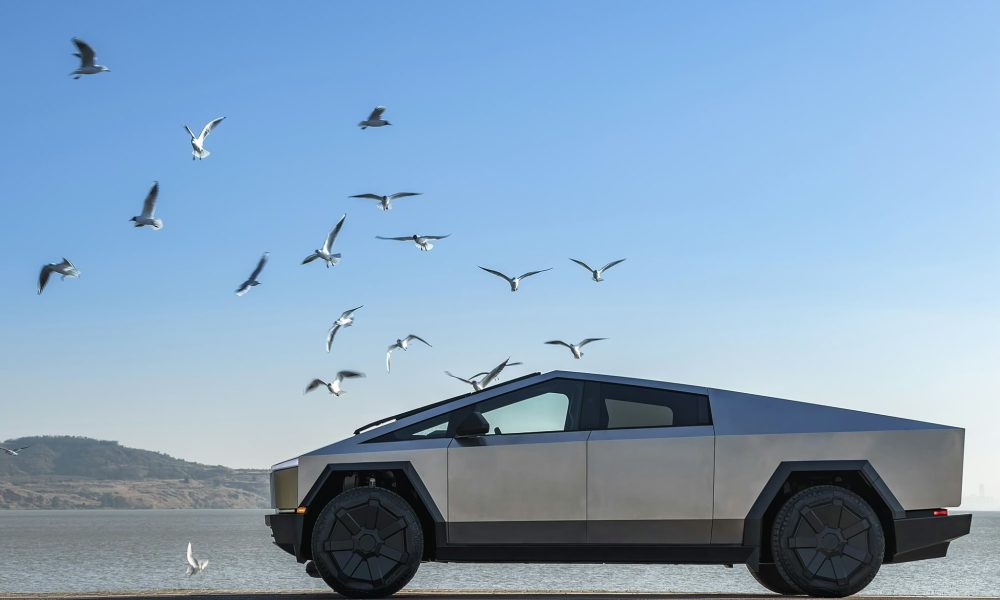
Tesla has issued a recall for its more affordable Cybertruck RWD Long Range variant after discovering a critical defect that could cause the wheels to detach from the vehicle. The issue, first spotted by MotorTrend, centers on faulty brake rotors that may develop cracks around the stud holes, leading to a complete loss of wheel attachment. For owners of the stainless-steel pickup, this is more than a routine service notice—it is a stark reminder that even Tesla's most rugged vehicle is not immune to manufacturing flaws.
The Wheel Separation Risk
According to a notice filed with the National Highway Traffic Safety Administration (NHTSA), Tesla warns that "brake rotor stud holes may crack and allow the stud to separate from the wheel hub." This means that under normal driving conditions, the bolts securing the wheel to the hub could fail, potentially causing the wheel to fall off entirely. The recall specifically targets the rear-wheel drive (RWD) Cybertruck Long Range, the entry-level version of Tesla's futuristic pickup. While no injuries or crashes have been reported yet, the defect poses an immediate safety risk, especially at highway speeds.
Scope and Remedy
Tesla has not disclosed the exact number of vehicles affected, but the recall is believed to involve a limited production batch of RWD Cybertrucks. The company will replace the defective brake rotors and studs free of charge at its service centers. Owners can expect notification letters by mid-2025, though Tesla's over-the-air updates cannot fix this hardware issue—physical repairs are mandatory. This marks the fourth recall for the Cybertruck since its launch, following previous fixes for accelerator pedal entrapment, windshield wiper failures, and trim detachment.
Implications for Tesla Owners and Investors
For current Cybertruck owners, the recall underscores the importance of prompt service appointments, even if no warning lights appear. If you drive a RWD Cybertruck Long Range, check your VIN against Tesla's recall portal immediately. Wheel detachment is not something to gamble with, and delaying repairs could lead to catastrophic accidents. For investors, this recall adds to a growing narrative of quality control challenges at Tesla. While the company's revenue remains strong, repeated hardware defects—especially on a flagship vehicle like the Cybertruck—could erode consumer trust and increase warranty costs. Tesla's ability to resolve this issue swiftly and transparently will be critical in maintaining its reputation for innovation over reliability. Watch for any NHTSA escalation or class-action lawsuits, as these could signal deeper systemic problems in Tesla's supply chain or assembly processes.