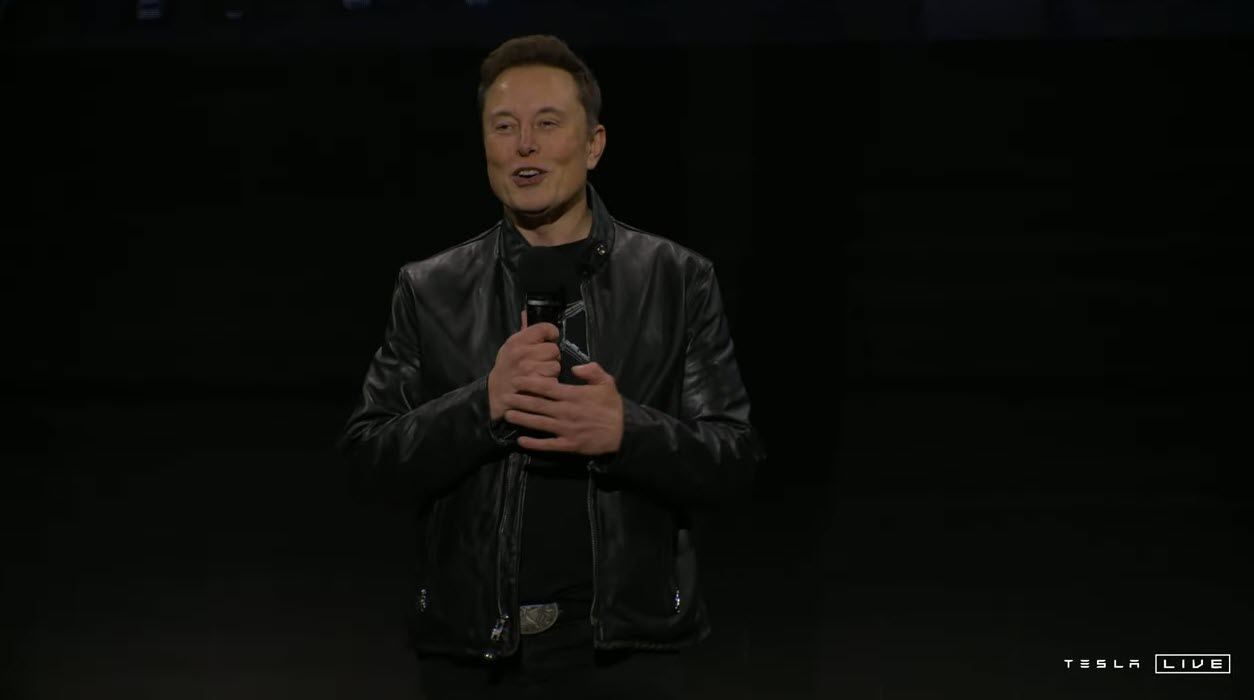
In a move that blurs the line between corporate strategy and impulsive reaction, Tesla has just provided a masterclass in real-time intellectual property protection—or a stark warning about its lack of foresight. Mere moments after CEO Elon Musk uttered the words "Cybercar" and "Cybervehicle" during the company's Q4 2025 earnings call, Tesla's legal team sprang into action, filing trademark applications for both terms. The filings, submitted to the United States Patent and Trademark Office (USPTO) a mere 37 seconds apart, reveal a new, seemingly ad-hoc approach to securing the branding for its future products.
A Pattern of Last-Minute Maneuvers
This incident is not an isolated one. It follows recent, well-publicized difficulties Tesla faced in securing the trademark for "Cybercab," its anticipated autonomous taxi. In that case, competing filings by other entities emerged during a critical gap between Musk's announcement and Tesla's official application, creating unnecessary legal complexity. The company's new, reactive trademark strategy appears to be a direct response to these self-inflicted wounds. Rather than filing ahead of a major reveal, Tesla is now operating in a live "panic-file" mode, scrambling to lock down names the instant they leave the CEO's lips during public events.
Decoding the "Cyber" Branding Strategy
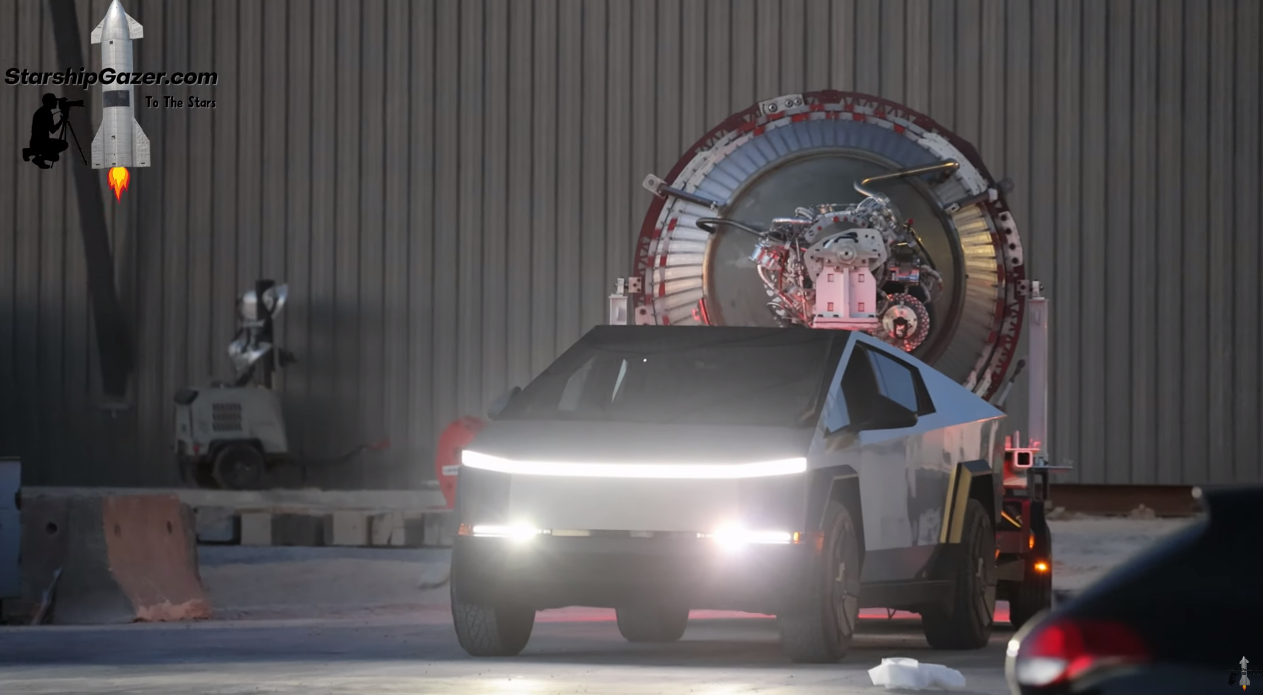
The rush to secure "Cybercar" and "Cybervehicle" offers intriguing clues about Tesla's future lineup. While the angular Cybertruck has firmly established the "Cyber" prefix in the automotive lexicon, these new filings suggest an expansion of the sub-brand. Analysts speculate these terms could serve as overarching categories for a future family of vehicles, potentially encompassing the promised $25,000 compact EV or other models that share the Cybertruck's futuristic design language. The filings underscore Musk's intent to own the "cyber" aesthetic in the electric vehicle market, turning a stylistic choice into a protected, marketable identity.
For Tesla investors and owners, this trademark drama is a double-edged sword. On one hand, it demonstrates a newfound agility—or desperate urgency—in protecting valuable assets, potentially avoiding future costly disputes. On the other, it raises questions about internal coordination and strategic planning at the highest levels. If the company's multi-billion-dollar product pipeline can be jeopardized by a tardy trademark filing, it points to operational vulnerabilities that extend far beyond branding. The market watches for whether this reactive tactic stabilizes into a disciplined process.
The implications are clear: in the high-stakes arena of automotive innovation, Tesla is learning that winning the technology race is only half the battle. Securing the very names that define its future is a parallel contest it can no longer afford to lose through simple delay. Every future Musk utterance about a product name will now be met with intense scrutiny, not just by fans and media, but by the company's own legal department, poised to click "submit" at a moment's notice.