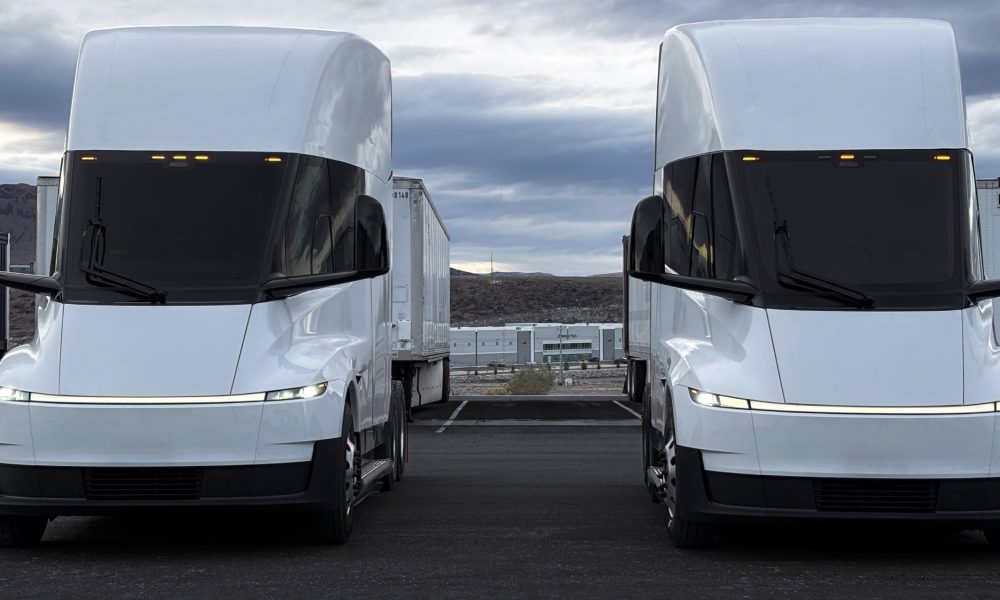
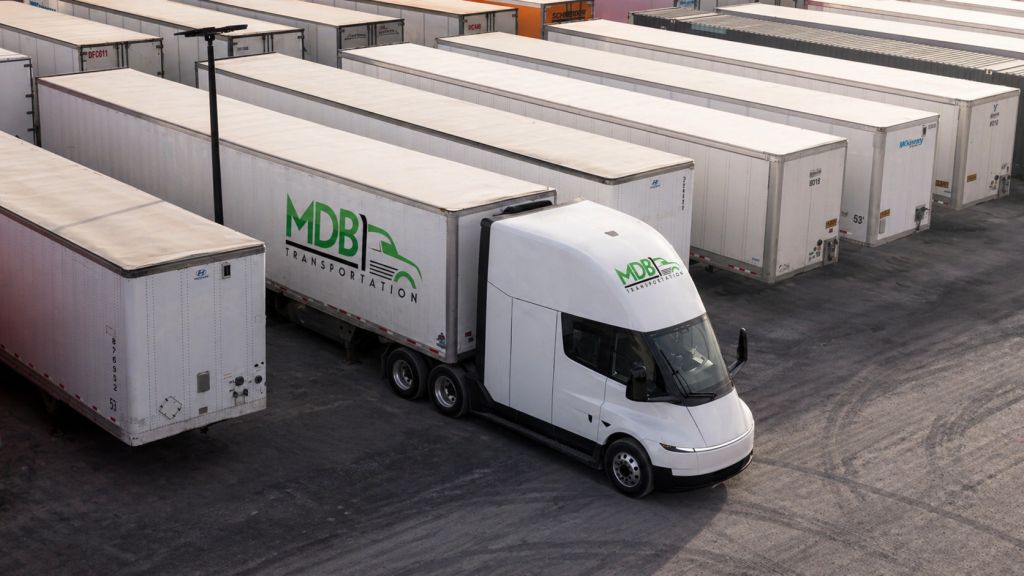
After years of anticipation and pilot programs, Tesla's electric future for freight has officially hit the public road. The company has opened its first dedicated Megacharger station to Tesla Semi customers at a new location in Ontario, California, marking a pivotal step beyond its passenger vehicle roots. This move transforms the Semi from a limited fleet demonstrator into a viable tool for logistics companies, providing the essential high-speed energy infrastructure needed for real-world, heavy-duty electric trucking operations.
The Dawn of the Megacharger Era
The newly operational station in Ontario is the first customer-facing site of its kind, distinct from the private Megachargers at PepsiCo's facility in Modesto, California. These chargers are engineered to deliver immense power, capable of adding up to 70% range in just 30 minutes for the 500-mile version of the Semi. This speed is non-negotiable in the trucking industry, where time is directly tied to revenue. The station's launch provides the first tangible proof point for Tesla's ambitious energy ecosystem, demonstrating a charging solution that matches the Semi's promised performance and begins to address the critical "where to charge" question for potential fleet buyers.
Scaling Production to Meet Infrastructure
This infrastructure push is not happening in a vacuum. The opening coincides with Tesla's confirmed ramp-up of Semi production at its dedicated factory in Sparks, Nevada. After a slower-than-expected initial rollout, the acceleration of both vehicle assembly and charging deployment signals a more synchronized and serious go-to-market strategy. It directly supports Tesla's broader plan to deploy 66 Megacharger locations across key US freight corridors, a network essential for enabling long-haul electric trucking. The Ontario station is the foundational node in what Tesla envisions as a coast-to-coast electrified highway for commerce.
The strategic timing is also a clear market maneuver. With increasing competition from legacy truck makers and EV startups, Tesla is leveraging its signature advantage: a seamless, proprietary charging network. By building the Megacharger infrastructure in parallel with the vehicle, Tesla aims to replicate the "unboxed" ownership experience that fueled Model S and Model 3 adoption, but on a commercial scale. This vertical integration is a powerful differentiator in an industry skeptical of EV readiness for demanding duty cycles.
Implications for the Tesla Ecosystem
For Tesla investors, the Semi's progressing infrastructure is a critical metric for a high-potential revenue stream. Successful deployment validates a massive total addressable market and could significantly boost Tesla's energy division revenue through the sale of electricity and charging hardware. For fleet owners and operators, the operational cost savings of electric propulsion are now coupled with a visible, growing refueling network, de-risking adoption. Finally, for all EV advocates, the Semi and its Megachargers represent a crucial front in decarbonizing transportation, targeting one of the most challenging and polluting vehicle segments. The charge in Ontario is more than a station opening; it's the starting gun for the electrification of the modern supply chain.