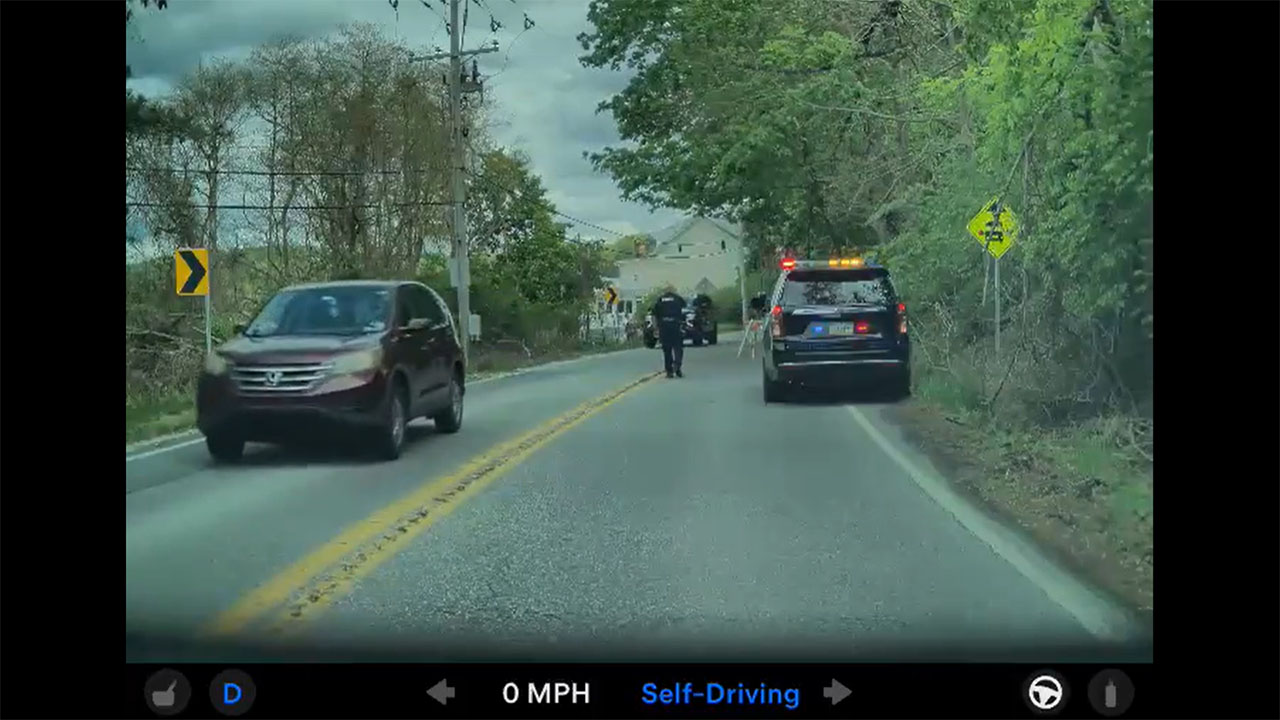
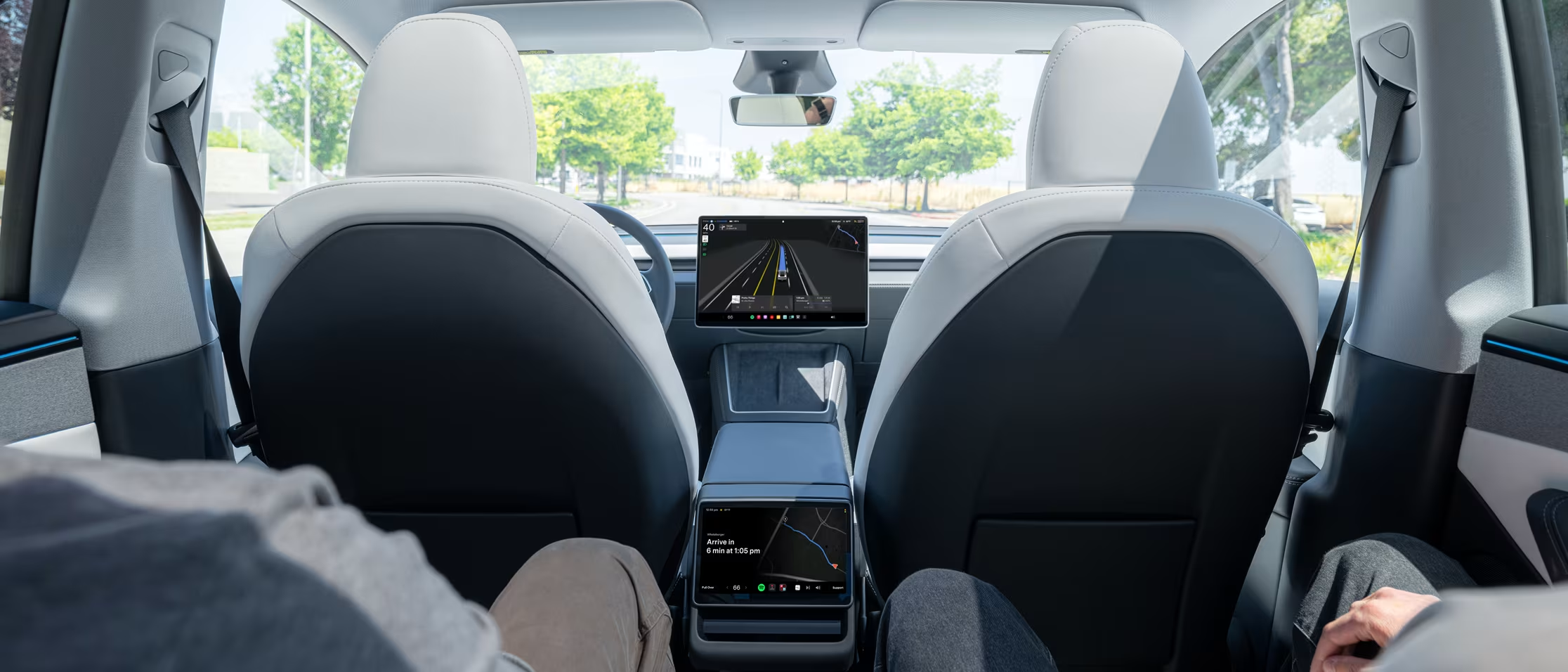
In a significant shift to its long-standing sales strategy, Tesla has officially removed the option for customers to purchase its Full Self-Driving (FSD) capability outright in North America. As of this week, buyers in the United States and Canada can no longer pay a one-time fee to permanently add FSD to their new vehicle. This move, signaling a firm pivot toward subscription-based software access, leaves the pricier Luxe Package as the only remaining bundle that includes the feature for an upfront cost.
The End of an Era for Upfront FSD Sales
For years, Tesla offered FSD as a $12,000 (USD) or $16,000 (CAD) upfront purchase, a price that steadily increased as the company added more features to the suite. This option represented a bet on future capabilities, with owners banking on the software's eventual maturation to true autonomy. Its removal marks the end of that particular investment vehicle for new customers. Tesla's decision underscores a broader industry trend toward software-as-a-service models, which provide a recurring revenue stream and lower the initial barrier to entry for advanced features. The change applies specifically to new vehicle orders; existing owners who purchased FSD outright will retain it on their current vehicles.
Subscription and the Luxe Package Pathway
While the standalone purchase is gone, pathways to FSD remain. The primary method is now the FSD Subscription, priced at $199 per month in the U.S. and $199 per month in Canada. This offers flexibility for owners who may want the feature for specific trips or periods without a long-term commitment. Crucially, Tesla has preserved one upfront option: the Luxe Package. This premium bundle, which includes FSD alongside other high-margin options like Enhanced Autopilot and premium wheels, allows Tesla to maintain a high-price-point vehicle configuration while effectively burying the FSD cost within a larger package, a tactic that may simplify the buying process and improve take rates on fully-loaded models.
The strategic rationale behind this shift is multifaceted. By moving to a subscription model, Tesla can smooth out its revenue recognition from FSD and potentially attract a wider user base with the lower monthly fee. It also mitigates customer frustration over promised features that have been delayed, as subscribers can cancel at any time. Keeping FSD in the Luxe Package, however, suggests Tesla is still willing to cater to buyers seeking a "complete" vehicle with all possible features from the start, ensuring its highest-tier models continue to command a premium price.
For Tesla owners and investors, the implications are clear. New buyers must now weigh the ongoing cost of a subscription against their driving needs, making FSD a more fluid part of the ownership experience. Investors will watch closely to see if the subscription model drives higher adoption rates and creates the predictable, recurring software revenue that the market highly values. This evolution from product to service is a definitive step in Tesla's journey to position itself not just as a car company, but as a mobility software platform.