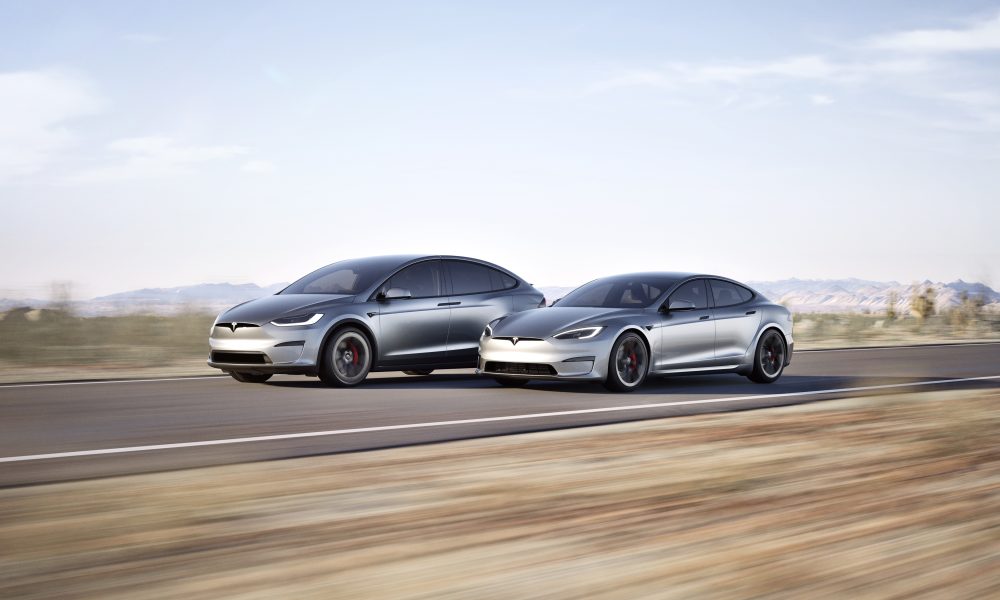
In a definitive signal of a changing product era, Tesla has taken its first official step toward retiring its flagship sedan and SUV. The company's Korean division has announced a firm cutoff date for new orders of the Model S and Model X, marking the beginning of the end for the vehicles that cemented Tesla as a premium EV brand. This strategic sunset, set for March 31, 2026, confirms long-standing industry speculation and underscores a dramatic pivot in Tesla's focus toward high-volume manufacturing and next-generation platforms.
The End of an Era for Tesla's Flagships
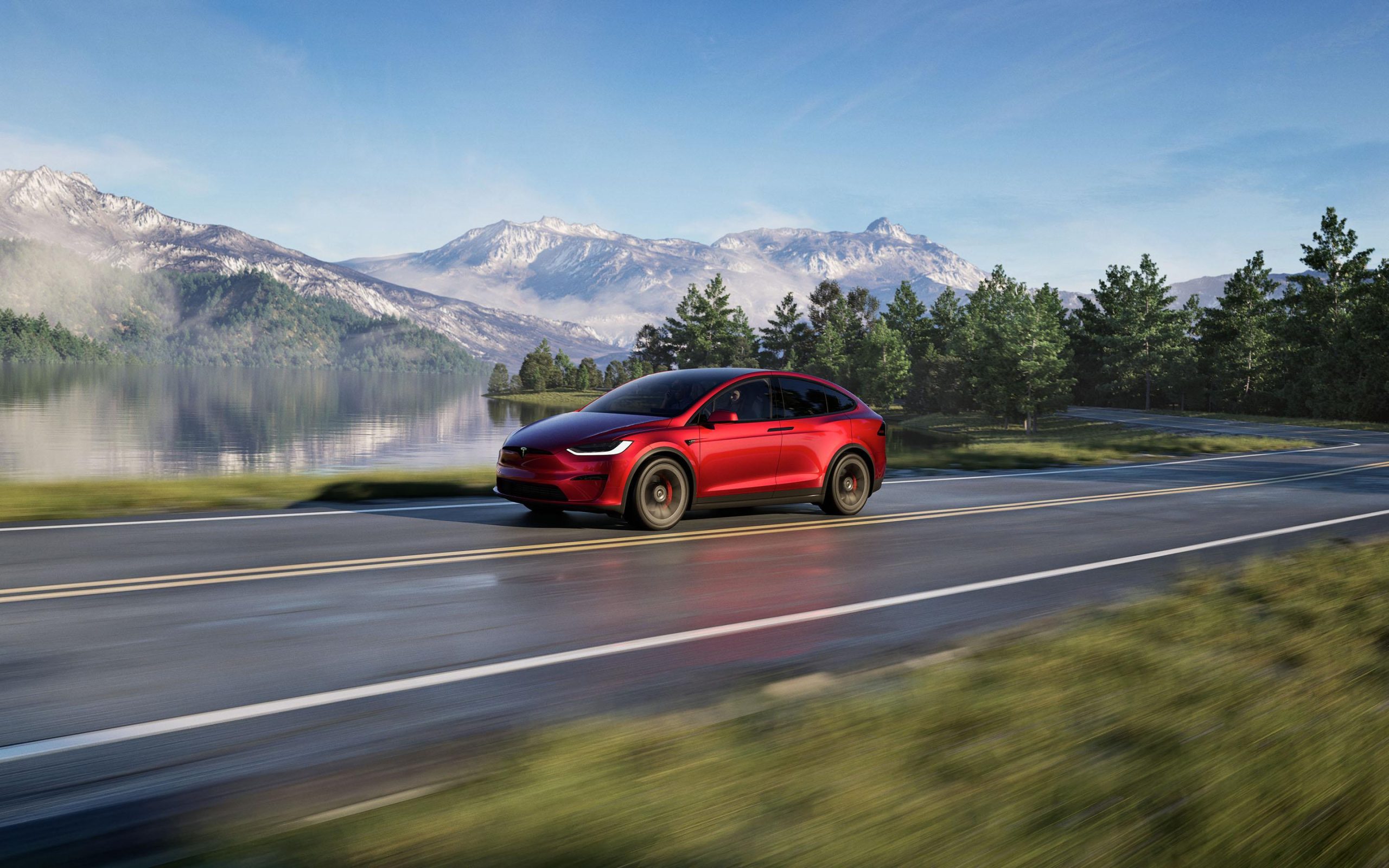
The Model S, launched in 2012, and the Model X, which followed in 2015, were more than just cars; they were technological flagships that redefined public perception of electric vehicles. With groundbreaking features like the Ludicrous Mode acceleration and the Model X's iconic falcon-wing doors, these models proved that EVs could be desirable, high-performance luxury products. Their impending phase-out signifies the closing of Tesla's foundational chapter, where low-volume, high-margin vehicles funded the company's ambitious growth. The move aligns with CEO Elon Musk's repeated emphasis on achieving mass-market scale, a goal now embodied by the dominant Model Y and Model 3.
Strategic Realignment and Production Rationalization
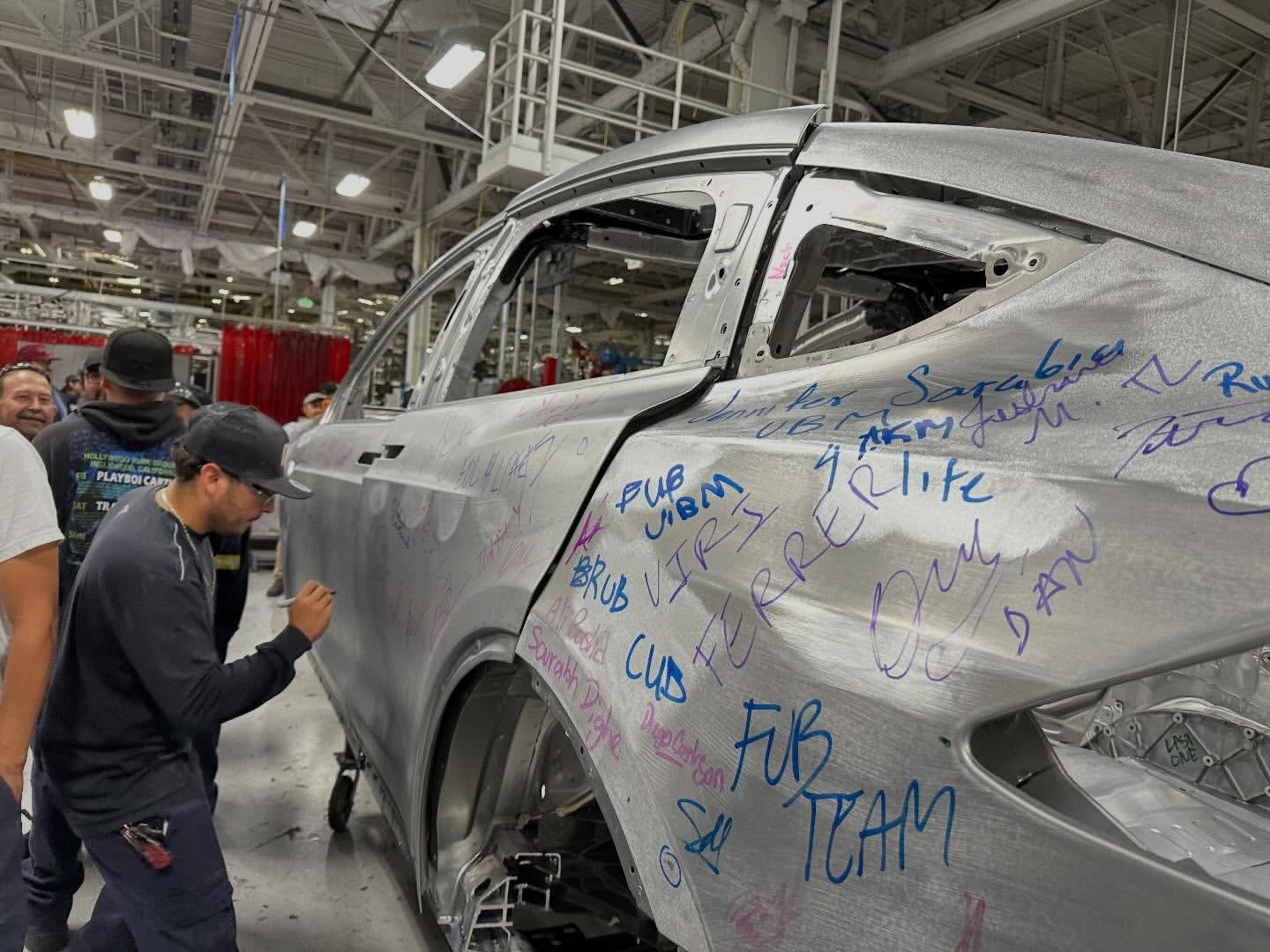
This decision is a clear exercise in production and logistical rationalization. The Model S and Model X are assembled on a separate, lower-volume line at the Fremont factory, a complexity that contrasts with the streamlined manufacturing of Tesla's newer models. By sunsetting these vehicles, Tesla can reallocate engineering resources, factory space, and supply chain bandwidth toward its strategic priorities. These include ramping up production of the Cybertruck, developing the anticipated "$25,000 compact EV," and refining its next-generation manufacturing processes. The Korean announcement is likely a precursor to a global phased discontinuation, allowing the company to manage existing order backlogs and inventory.
For current owners of the Model S and Model X, the long-term implications are nuanced. On one hand, their vehicles are poised to become rarer, potentially affecting residual values. On the other, concerns about long-term parts availability and software support will inevitably arise, though Tesla is legally obligated to provide service parts for years after production ends. For investors, this move reinforces Tesla's identity as a company relentlessly focused on the future, even at the expense of its past icons. It signals a disciplined approach to capital allocation, betting that future growth will be driven by robotics, AI, and affordable electric vehicles, not the luxury segment it once pioneered.