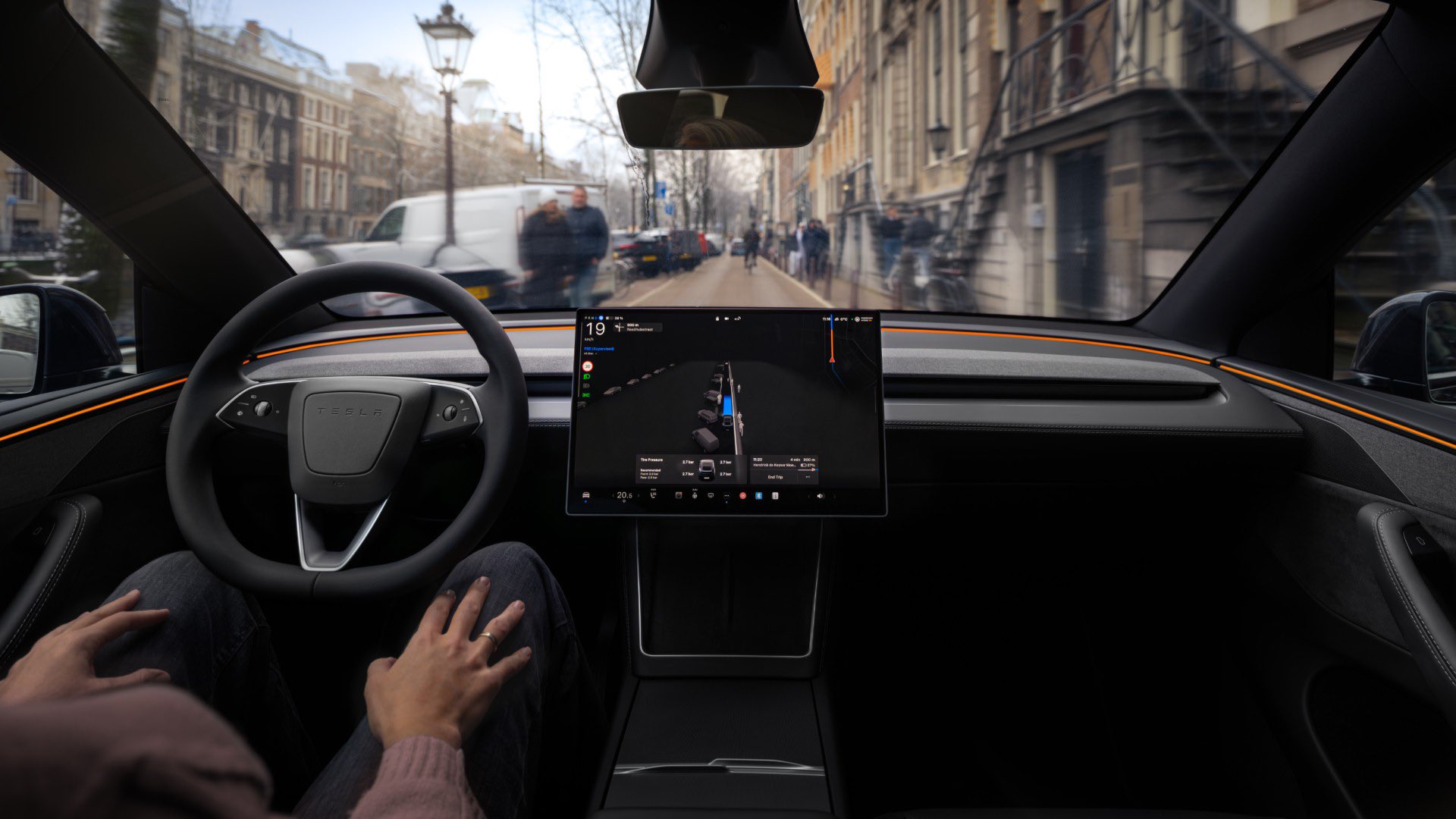
In a landmark move that could reshape the European electric vehicle landscape, Tesla has cleared its first major regulatory hurdle to bring its most advanced driver-assistance system to the continent. The company has secured approval from Dutch authorities to deploy its Full Self-Driving (FSD) software to customer vehicles, marking the system's official European debut after years of anticipation. This pivotal license, long sought by Tesla and its European customer base, opens a new chapter in the region's autonomous driving race and signals a potential rapid expansion of FSD's operational domain beyond North America.
A Dutch Door Opens to the European Market
The approval, granted in the Netherlands, represents Tesla's first FSD license for customer use in Europe. While the system remains a SAE Level 2 driver-assistance feature requiring constant driver supervision, its introduction is a testament to Tesla's persistent regulatory engagement. The Netherlands, home to Tesla's European headquarters, often serves as a testing ground and entry point for the company's innovations within the EU. This strategic first approval suggests Tesla has successfully demonstrated FSD's compliance with at least one member state's stringent safety and operational standards, a crucial step toward broader regional acceptance.
The Return of the Outright Purchase Option
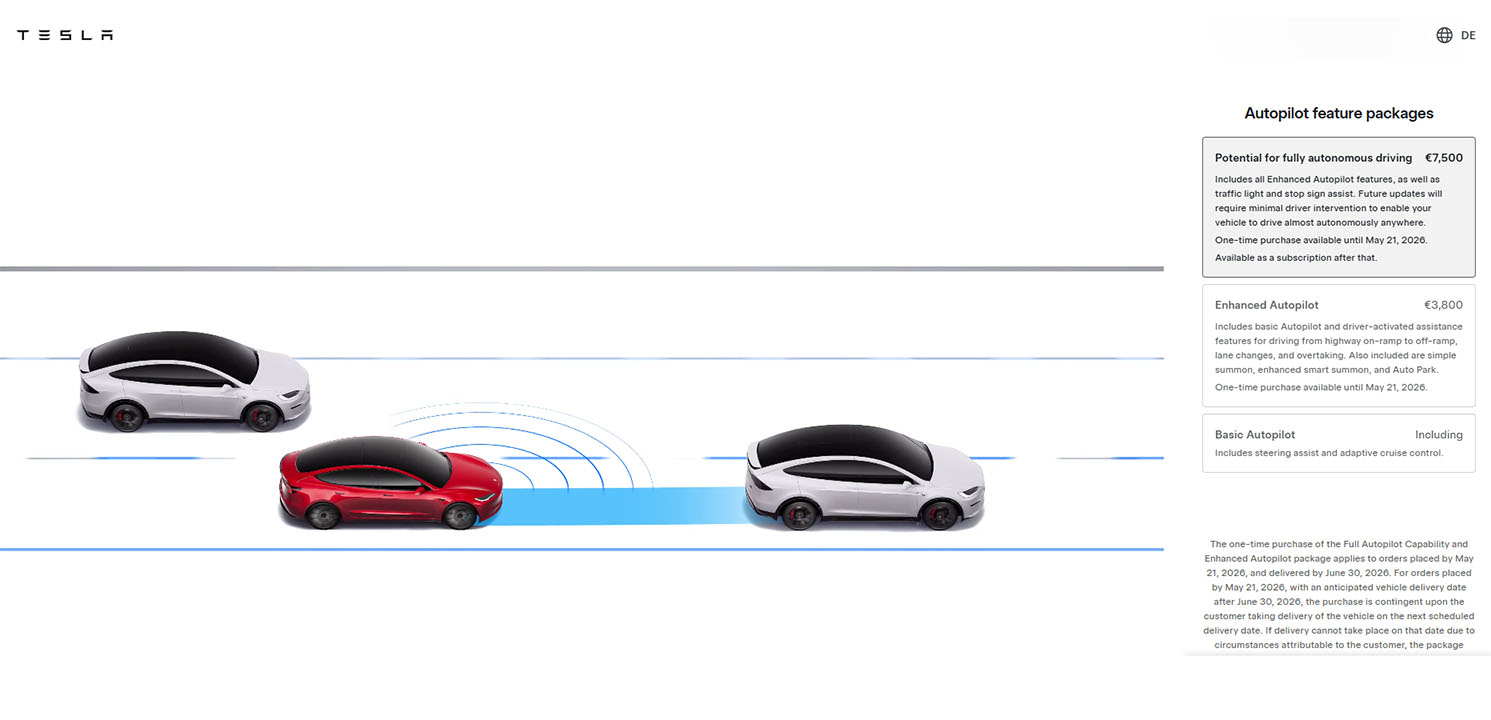
Coinciding with this regulatory breakthrough, Tesla has reintroduced the outright purchase option for FSD in supported markets, including Europe. For years, the company had emphasized a monthly subscription model, but the return of a one-time payment option—reportedly priced around €7,000 in Europe—provides customers with greater flexibility. This move not only caters to owners who prefer a permanent capital investment but also positions Tesla to recognize significant upfront revenue as FSD gains traction, potentially strengthening its financial position in a competitive market.
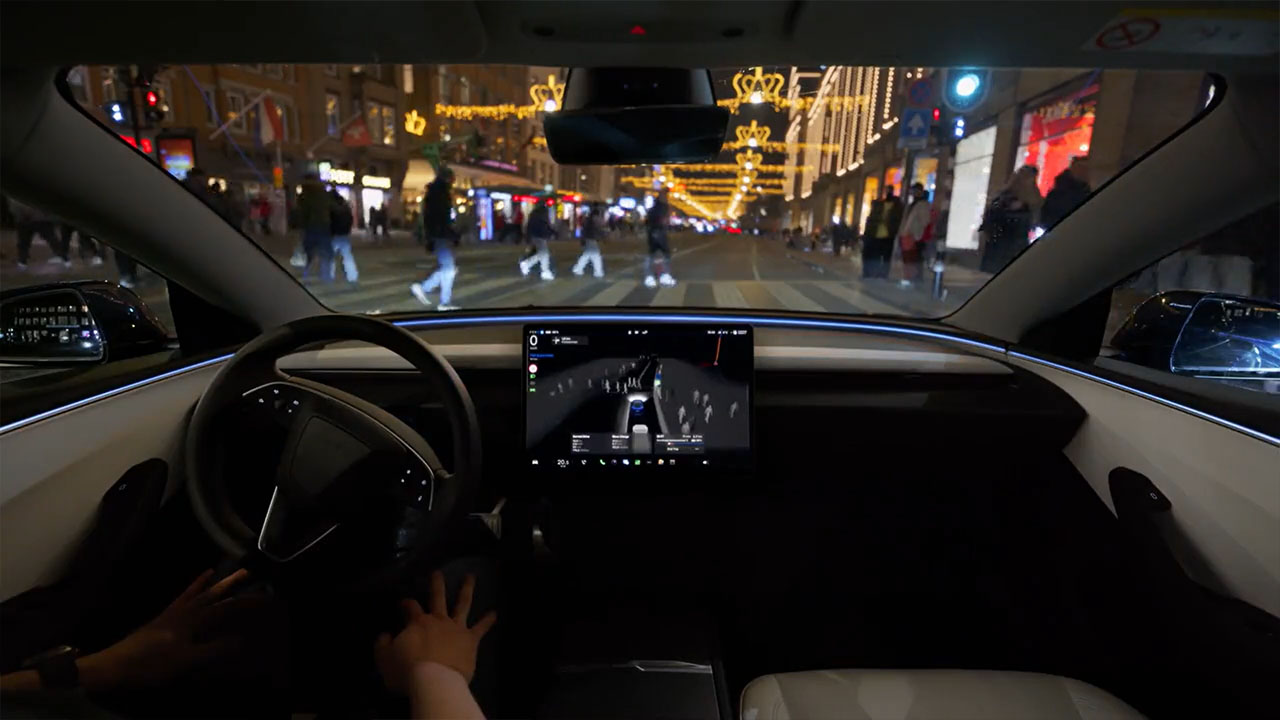
The path to full European rollout remains complex, however. Each EU member state retains authority over vehicle approvals, meaning Tesla must now navigate a patchwork of national regulations. The system will need to adapt to diverse and often challenging European driving environments, from narrow historic city streets to high-speed autobahns. Furthermore, European regulators and consumer protection agencies are notoriously cautious, ensuring that Tesla's vision-based AI system will be under intense scrutiny regarding its handling of pedestrians, cyclists, and complex traffic circles uncommon in the U.S.
For Tesla owners and investors, the implications are substantial. European Tesla drivers in the Netherlands, and soon potentially in other following countries, will finally gain hands-on experience with the technology that has dominated EV innovation headlines. This directly enhances the value proposition of Tesla vehicles in the region. For investors, the European FSD approval de-risks a key component of Tesla's long-term valuation thesis, unlocking a new revenue stream from a premium software product in a major automotive market. It also places immense competitive pressure on European automakers to accelerate their own automated driving programs. The successful and safe deployment of FSD in Europe will be the next critical test, determining whether this initial approval blossoms into widespread adoption or faces new regulatory speed bumps.