Tesla's first-quarter 2026 results have delivered a stark reality check, revealing a growing chasm between its manufacturing prowess and market demand. The company reported global deliveries of 358,023 vehicles, a figure that not only missed Wall Street's forecasts but also represents a sequential decline from the prior quarter. More tellingly, Tesla produced significantly more vehicles than it delivered, a clear signal that its factories are now outrunning its order books. This imbalance marks a pivotal moment for the EV pioneer, shifting the narrative from "can they build enough?" to "can they sell enough?"
The Hard Numbers: A Widening Production-Delivery Gap
The core of the story lies in the divergence between production and delivery figures. While Tesla delivered 358,023 units, its production output was notably higher, creating an inventory buildup. This is the most concrete evidence yet that demand is softening in the face of increased global EV competition, economic headwinds, and a perceived lack of major new products. The sequential decline from Q4 2025 underscores that this isn't a one-off anomaly but a concerning trend. For a company that has consistently operated with a backlog, having unsold cars rolling off the line is an unfamiliar and costly challenge.
Navigating a Saturated and Competitive Landscape
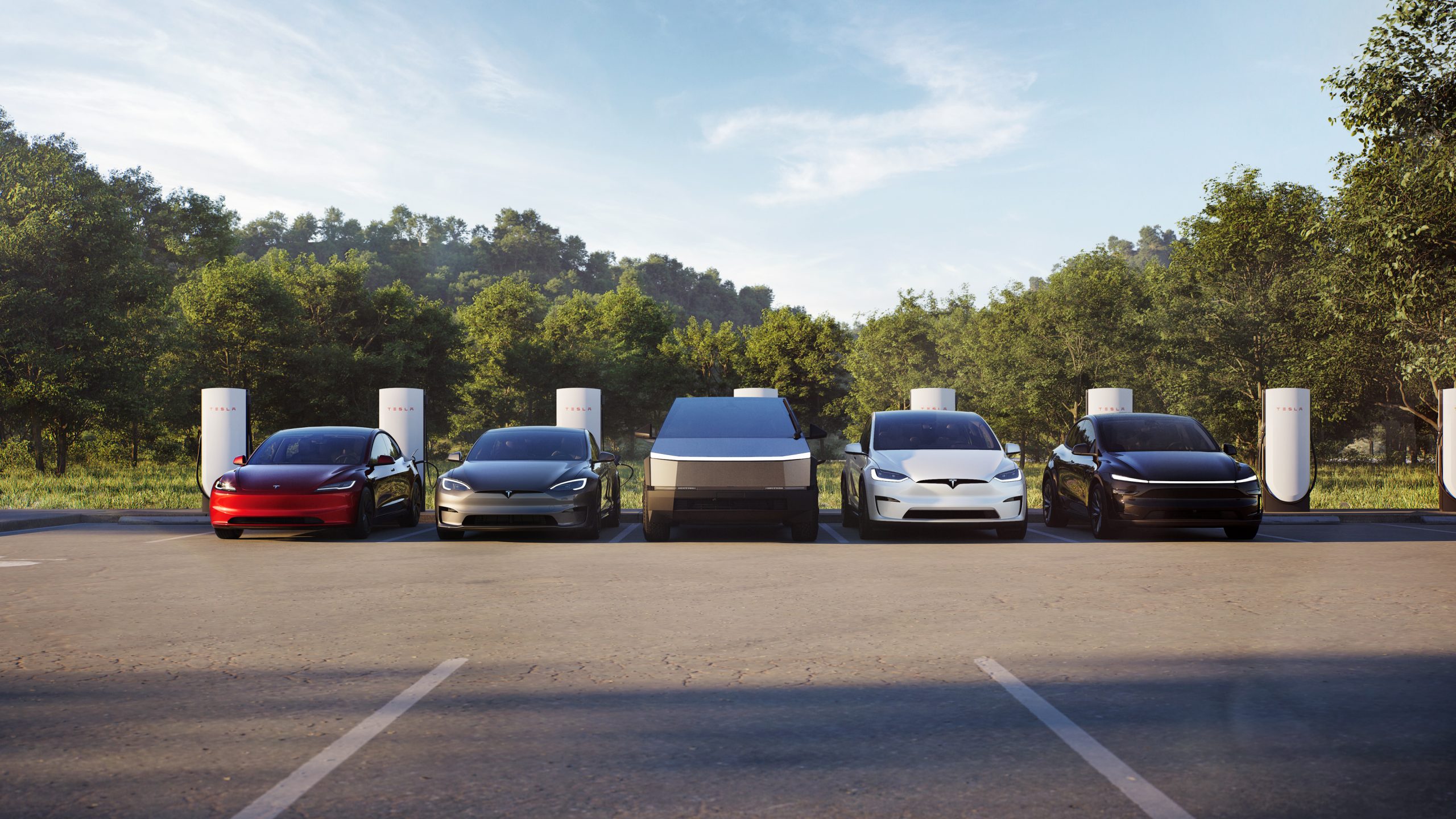
The context for this miss is critical. The global electric vehicle market in 2026 is vastly different from the landscape Tesla dominated just a few years ago. Legacy automakers have finally launched compelling, high-volume electric vehicles across every segment, from affordable sedans to luxury SUVs. Simultaneously, Chinese manufacturers are expanding aggressively with technologically advanced and often lower-priced models. In this environment, Tesla's current lineup, while refined, is aging. The pressure is now immense for the company to accelerate its next-generation platform and rumored affordable model to reignite growth and capture the mass market.
For Tesla owners and investors, the implications are multifaceted. Owners may see more aggressive incentive packages and promotional financing as the company works to clear inventory, potentially affecting short-term resale values. For investors, the report raises fundamental questions about growth trajectory and margin sustainability. The era of effortless demand is over, placing a premium on Tesla's ability to innovate in marketing, financing, and most importantly, its product roadmap. The company's response in the coming quarters—through new model announcements, pricing strategy, and cost control—will define its trajectory in this new, more demanding phase of the EV revolution.