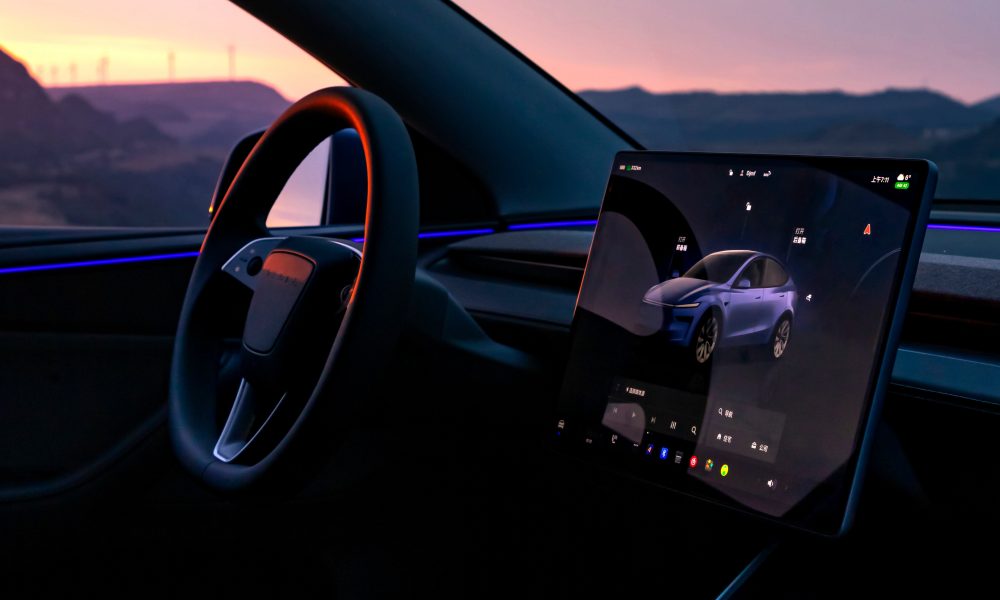
For years, the absence of Apple CarPlay and Android Auto has been a defining, and for some, a frustrating characteristic of the Tesla ownership experience. While the company's vertically integrated infotainment system is powerful, the lack of smartphone projection has felt like a deliberate omission in an increasingly connected world. Now, a new report suggests that the silicon wall may finally be coming down, with Tesla allegedly still actively developing Apple CarPlay integration for its vehicles, signaling a potential strategic shift in how the brand views the in-car digital ecosystem.
A Long-Awaited Reversal of Strategy
The initial rumors of CarPlay coming to Tesla surfaced over a year ago, sparking excitement among a significant portion of owners who prefer the seamless iPhone integration for messaging, music, and navigation. Unlike virtually every other major automaker, Tesla has steadfastly relied on its own native software, arguing it provides a more optimized and cohesive EV experience. This new development, if accurate, indicates a notable softening of that stance. It suggests Tesla is listening to persistent customer demand and may recognize that offering a familiar, popular interface could be a valuable feature for both customer retention and attracting new buyers who are hesitant to leave the Apple ecosystem behind.
Implementation and Integration Challenges
The critical question is not just if, but how Tesla would implement CarPlay. The company's iconic central touchscreen is the heart of the vehicle's controls, far beyond mere infotainment. A simple, full-screen projection of CarPlay could clash with Tesla's minimalist UI philosophy and potentially complicate access to climate, charging, and vehicle settings. Analysts speculate that a more likely approach would be a floating or split-screen window, allowing drivers to access CarPlay's communication and media apps while maintaining quick access to the core Tesla functions. This would represent a sophisticated integration, requiring significant software development to ensure a smooth, lag-free experience that meets Tesla's standards for performance.
Beyond technical execution, the move carries symbolic weight. Adopting CarPlay is an acknowledgment that even Tesla's brilliant software team cannot out-innovate the entire third-party app ecosystem curated by Apple. It leverages Apple's relentless update cycle for its apps and services, potentially enhancing the electric vehicle's functionality without direct effort from Tesla's engineers. However, it also raises questions about data sharing and control, two areas where Tesla has historically maintained a tight grip. How the company navigates this balance will be closely watched.
Implications for Tesla Owners and Investors
For current and prospective Tesla owners, this development is unequivocally positive. It promises greater choice and convenience, removing a frequently cited pain point without taking away the existing native software. For the brand, it could serve as a powerful new selling point in a fiercely competitive market, especially as rivals increasingly offer both robust native systems and smartphone projection as standard. For investors, the potential integration signals a pragmatic, customer-centric evolution. It demonstrates strategic flexibility, suggesting Tesla is willing to adopt proven industry standards to broaden its appeal and enhance customer satisfaction, potentially supporting both vehicle sales and the company's overarching mission to accelerate the world's transition to sustainable energy.