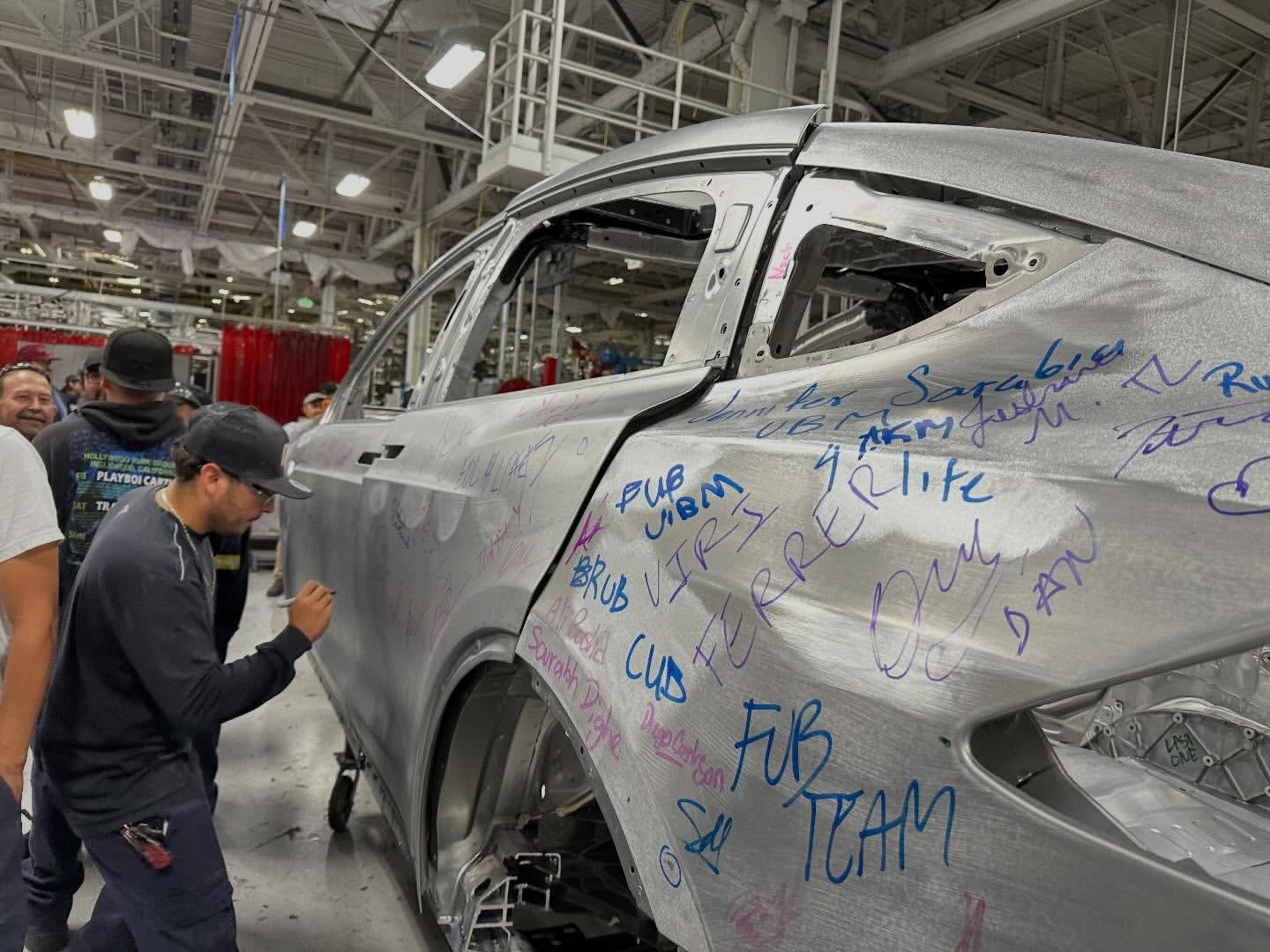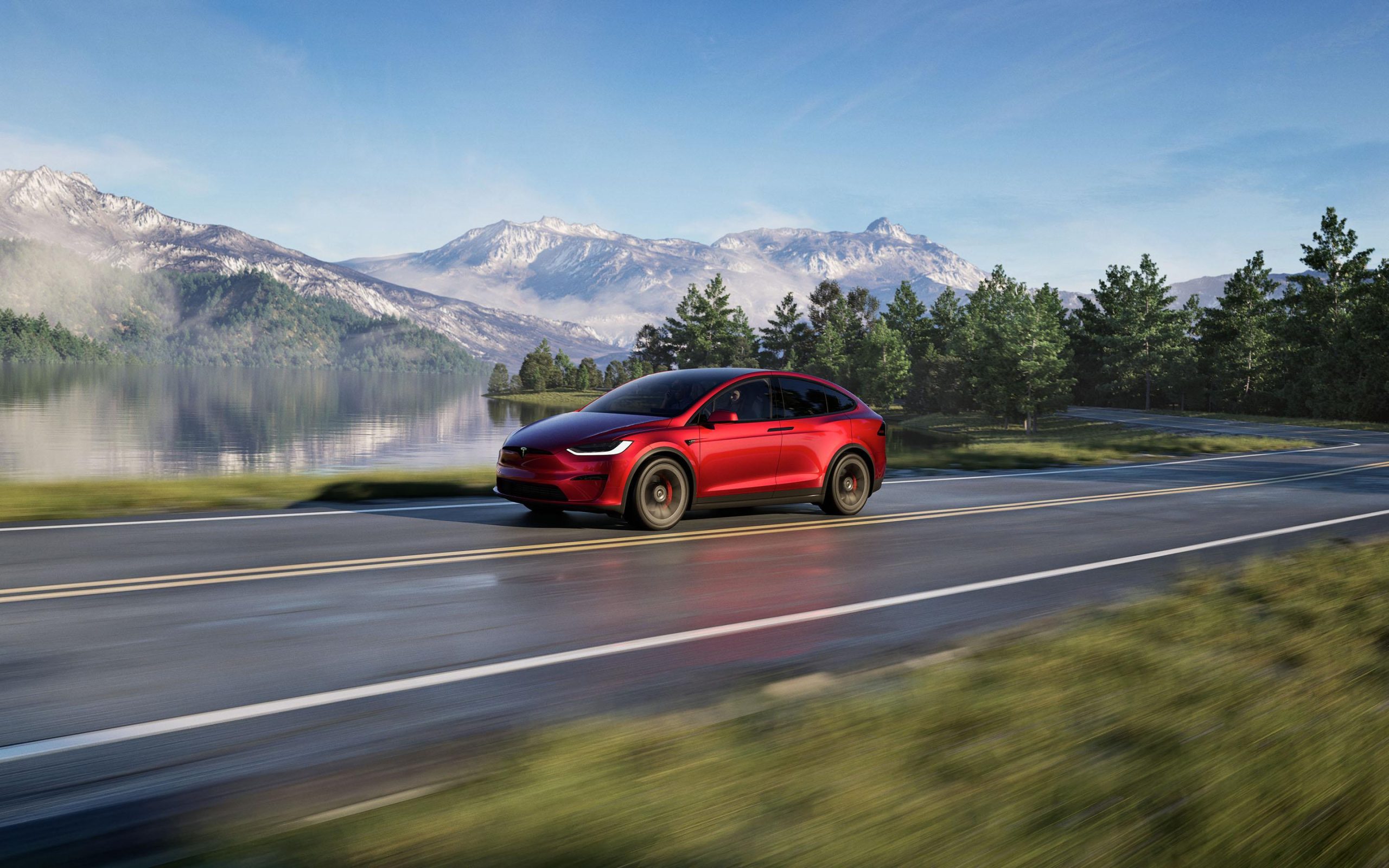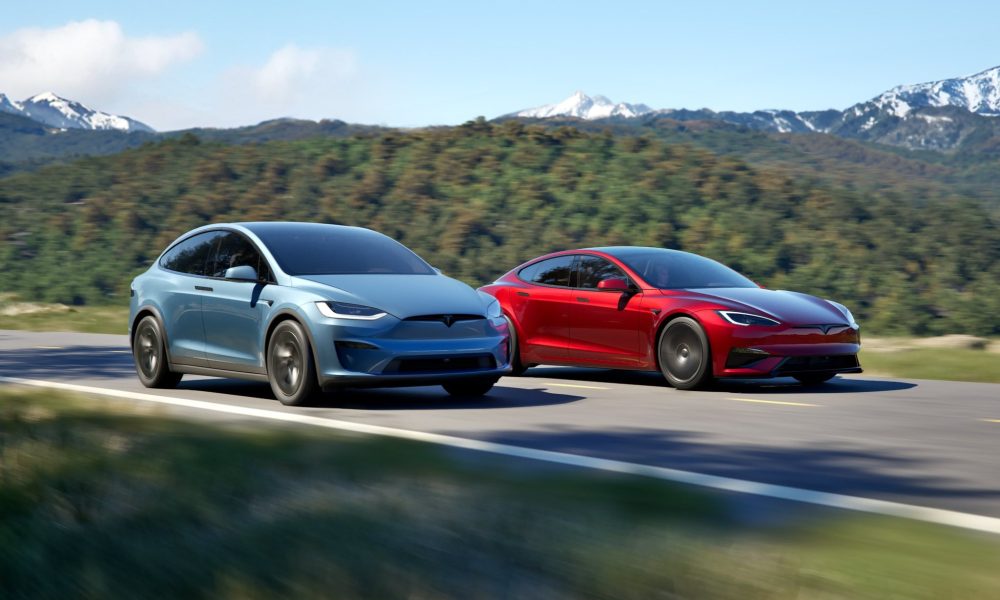
In a move that signals a profound shift in its strategic priorities, Tesla has quietly taken another step toward the eventual retirement of its flagship Model S and Model X vehicles. The company has removed both models from its U.S. customer referral program, a clear administrative signal that these once-revolutionary vehicles are being ushered toward the end of their production lifecycle. This follows years of declining sales volume for the S and X, which have been eclipsed by the mass-market dominance of the Model 3 and Model Y. For industry watchers, this is not a sudden decision but the latest in a series of calculated actions pointing toward a Tesla lineup focused squarely on volume and autonomy.
The Quiet Phase-Out: Referral Removal as a Strategic Signal
Tesla's referral program is a powerful marketing tool, incentivizing owners to become brand ambassadors. By excluding the Model S and Model X from this initiative, the company is effectively ceasing promotional efforts for these vehicles in a key channel. This administrative change is a strong indicator that Tesla is no longer focused on driving new orders for its flagships. It follows other telling signs, such as the elimination of standard steering wheels on new deliveries and the consolidation of powertrain options. The message is unambiguous: Tesla's engineering and marketing resources are being prioritized elsewhere, leaving the S and X to fulfill remaining orders without active sales promotion.
From Flagships to Niche Players: The Rise of the Volume Models
The declining prominence of the Model S and X is a direct result of Tesla's own success with its cheaper models. In the first quarter of 2024, Tesla delivered 369,783 Model 3 and Model Y vehicles globally, compared to just 17,027 Model S and Model X units combined. This staggering disparity highlights how the company's growth engine is now entirely dependent on high-volume production. The flagship models, while important for brand prestige and technological showcase, represent a fraction of total output and require complex, low-volume manufacturing lines. In a company obsessed with production efficiency and scale, maintaining these lines for niche products conflicts with the core mission of accelerating the world's transition to sustainable energy.
Implications for Owners and the Tesla Ecosystem
For current and prospective Tesla owners, this phasedown carries significant implications. Existing Model S and Model X owners may see their vehicles become rare, premium collectibles, but could also face longer-term concerns about parts availability and specialized service support. Investors should view this as Tesla rigorously streamlining its portfolio to focus capital and attention on its growth pillars: scaling Model 3/Y production, launching the next-generation $25,000 compact EV, and solving autonomous driving. The move away from the S and X underscores Elon Musk's willingness to sunset even iconic products to bet on a future defined by autonomous robotaxis and affordable electric vehicles for the masses.