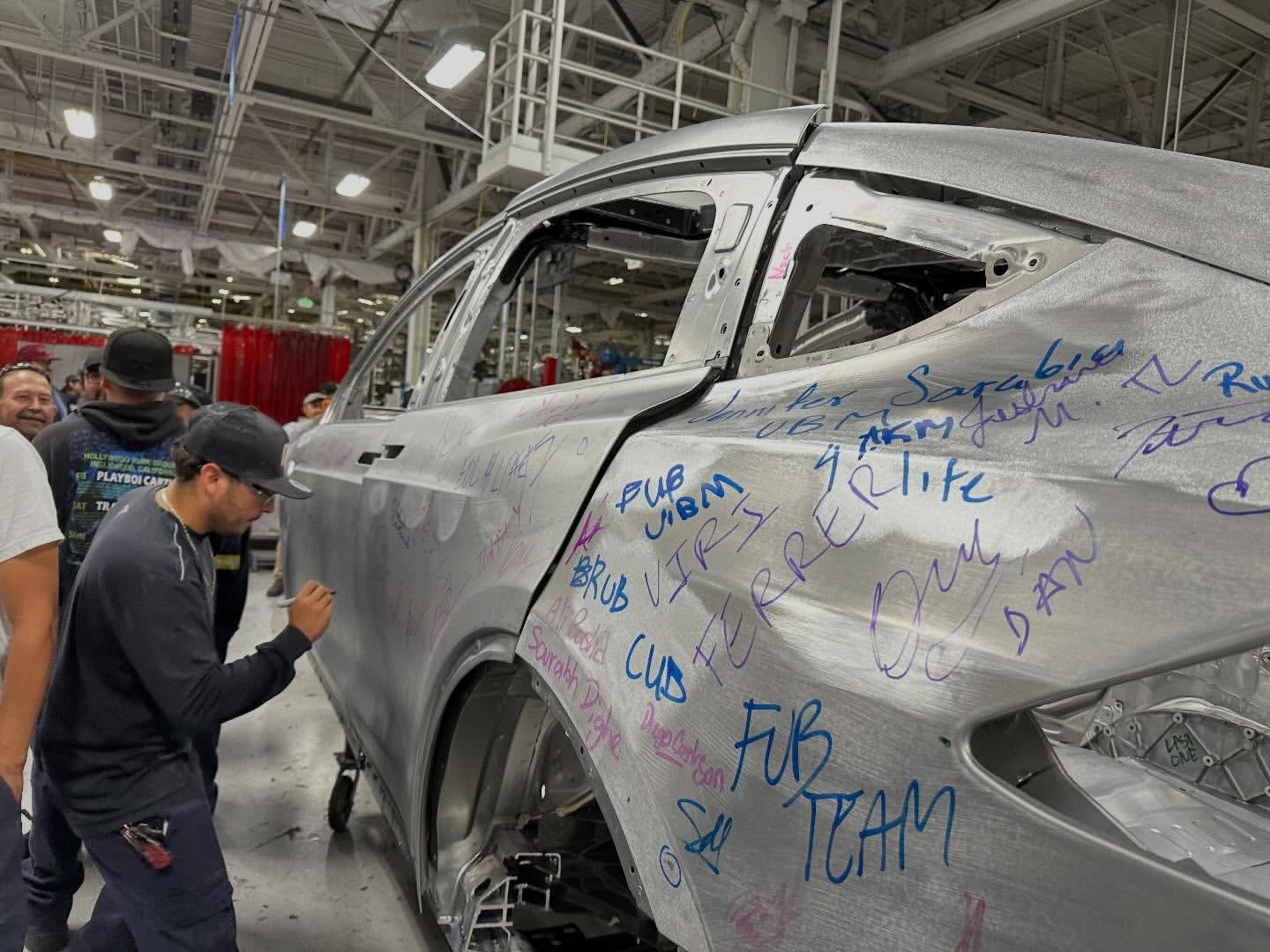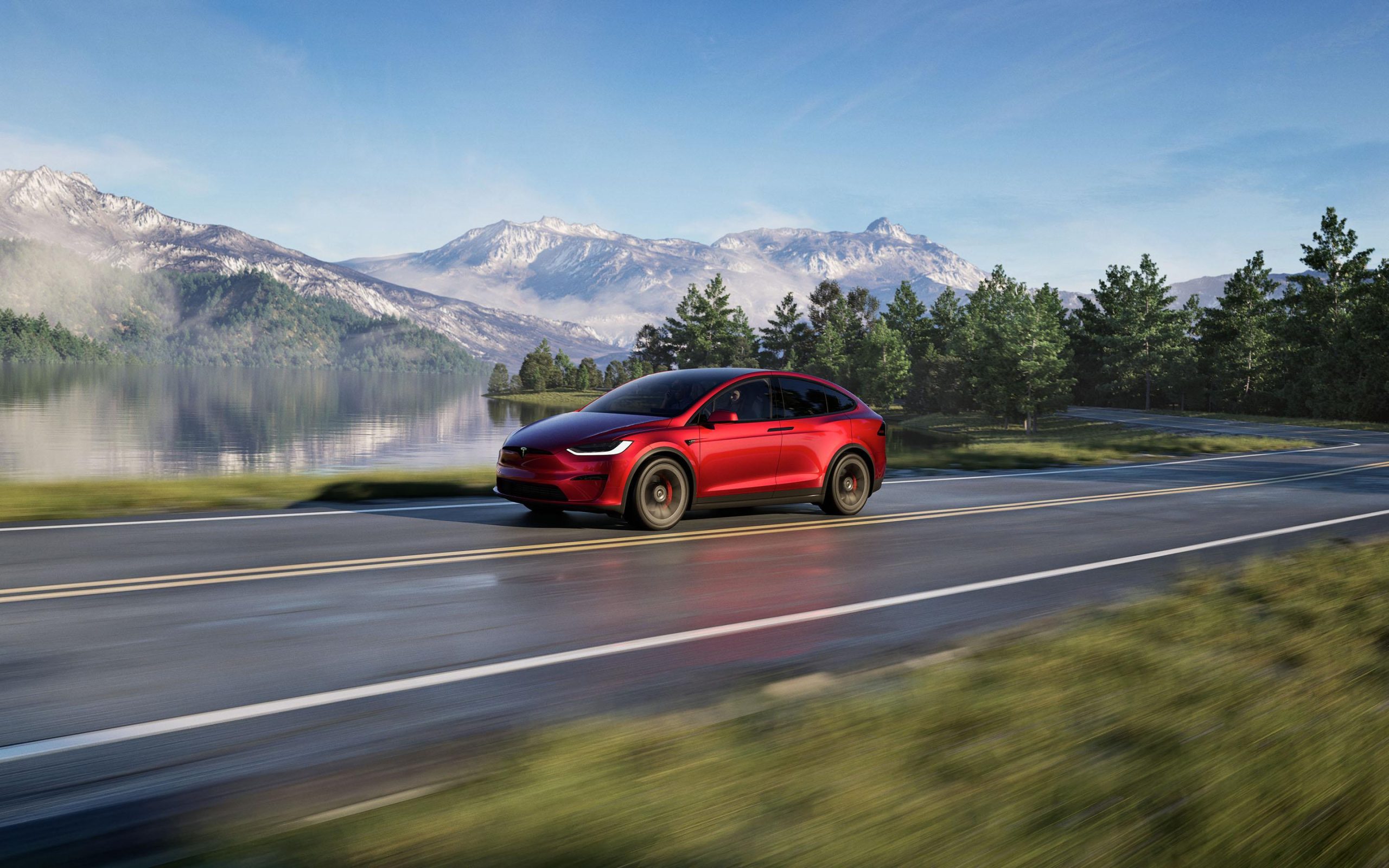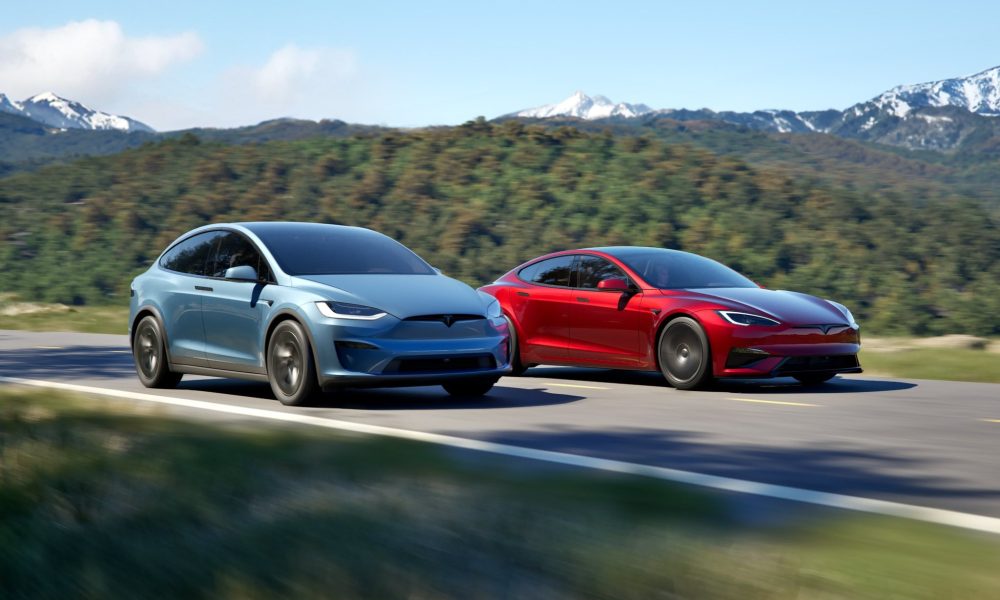
In a move that signals a profound shift in its product strategy, Tesla has officially confirmed the impending end of production for its flagship sedan and SUV. Following CEO Elon Musk's poignant reference to an "honorable discharge" during the Q4 2025 earnings call, the company has now detailed the sunset timeline for the pioneering Model S and Model X, marking the close of an era that defined modern electric luxury.
The Final Curtain Call: A Q2 2026 Phase-Out
Tesla's announcement solidifies the timeline first hinted at by Musk. Production of both the Model S and Model X will officially wind down throughout the second quarter of 2026. This decision concludes the production life of vehicles that were instrumental in shattering the perception that electric vehicles were merely utilitarian compliance cars. The Model S, launched in 2012, proved an EV could be aspirational, high-performance, and desirable, directly challenging established luxury marques. Its sibling, the Model X, with its iconic falcon-wing doors, further cemented Tesla's reputation for audacious innovation in a segment known for conservatism.
Strategic Realignment Towards Volume and Autonomy
This phase-out is not a retreat, but a strategic reallocation of resources. Tesla's focus has decisively pivoted toward achieving massive scale with its next-generation platform—exemplified by the Model 3 and Model Y—and the long-awaited, lower-cost "Model 2." Furthermore, the company is channeling immense capital and engineering talent into the development of its Full Self-Driving (FSD) suite and autonomous robotaxi ecosystem. The relatively low-volume, complex production lines for the S and X are being cleared to make way for manufacturing processes and technologies that serve Tesla's broader mission of accelerating the world's transition to sustainable energy through high-volume accessibility.
For current owners of the Model S and Model X, this announcement carries significant implications. These vehicles are now transitioning into future classics. While Tesla has committed to providing service, parts, and software support for many years, their unique status will likely influence residual values and collector interest. For the broader Tesla community and investors, this move underscores a relentless focus on operational efficiency and growth. It demonstrates a willingness to retire even iconic products if they no longer align with the core volume and autonomy strategy, a discipline that has historically defined the company's aggressive evolution.