Tesla's controversial shift to a subscription-only model for its Full Self-Driving (FSD) software in the United States is not quite absolute. Over the weekend, the company removed the $12,000 one-time purchase option from its Online Design Studio, a move signaling its push toward recurring revenue. Yet, in a twist familiar to Tesla watchers, the automaker has left a narrow, deliberate path open for customers who still want to own the capability outright, preserving a key choice for a specific segment of its clientele.
The Loophole: New Vehicle Orders and the "After Delivery" Portal
The sole remaining avenue to purchase FSD outright is not available during the initial online configuration. Instead, a customer must place an order for a new Tesla without selecting FSD. Once the vehicle is in their account and ahead of delivery, they can then navigate to the "Upgrades" section of the Tesla app or their online account. There, the option to buy Full Self-Driving for a single, upfront payment will appear. This backdoor method effectively decouples the software purchase from the vehicle financing process, allowing buyers to pay for it separately after securing their car loan or lease.
Strategic Motives Behind the Subscription Push
This nuanced change is a calculated business strategy. By making the subscription—priced at $199 per month or $99 per month for those with older Enhanced Autopilot—the default and most visible option, Tesla lowers the barrier to entry. This encourages more drivers to try the advanced driver-assist system, potentially leading to higher long-term adoption and a steadier income stream. The retained outright purchase option, however, caters to long-term owners and enthusiasts who view the one-time fee as an investment that adds resale value to their vehicle, ensuring Tesla doesn't alienate this core demographic.
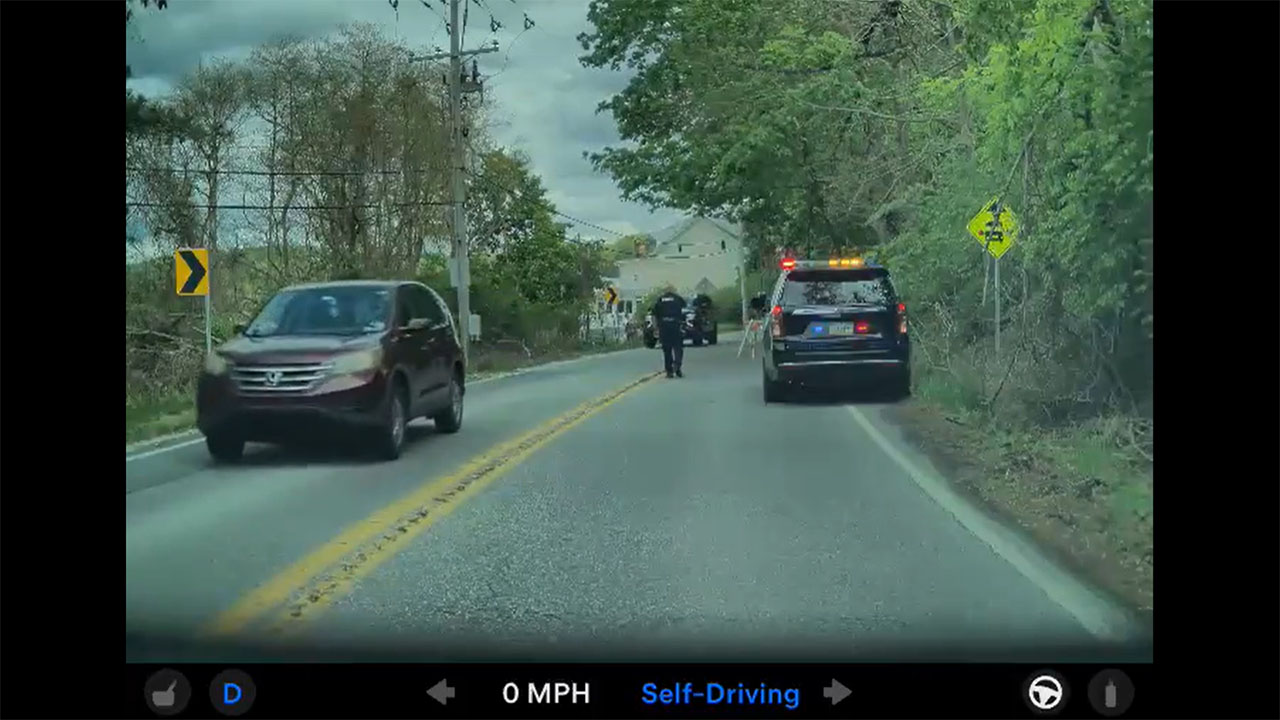
The timing is also critical. As Tesla rolls out its more advanced FSD (Supervised) v12 software, which utilizes an end-to-end neural network for smoother operation, the company is betting that a superior user experience will justify both payment models. The removal of the upfront option at point-of-sale simplifies the initial buying decision for new customers, who may be overwhelmed by the high upfront cost, while the loophole maintains flexibility for the informed buyer.
Implications for Tesla Owners and Investors
For prospective owners, the decision matrix has changed. The subscription model offers unparalleled flexibility with no long-term commitment, ideal for those who lease or upgrade vehicles frequently. The hidden outright purchase path remains a vital option for buyers who plan to keep their Tesla for many years, as the $12,000 cost can be rationalized over a longer horizon. It's imperative that buyers know this option exists only after ordering but before taking delivery.
For investors, this move underscores Tesla's focus on building high-margin, recurring software revenue—a cornerstone of its valuation. The hybrid approach (subscription-first with a purchase loophole) allows Tesla to tap into both revenue streams while gathering more data from a broader subscription user base. The success of this strategy hinges on continuous, tangible improvements to the FSD system that retain subscribers and convince new buyers that the software is an indispensable feature of the electric vehicle of the future.