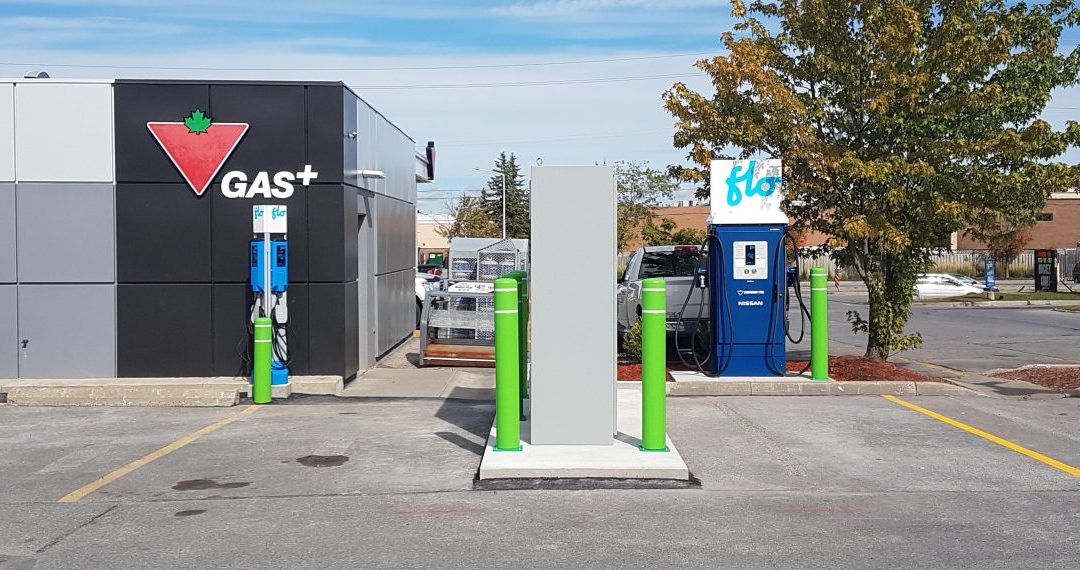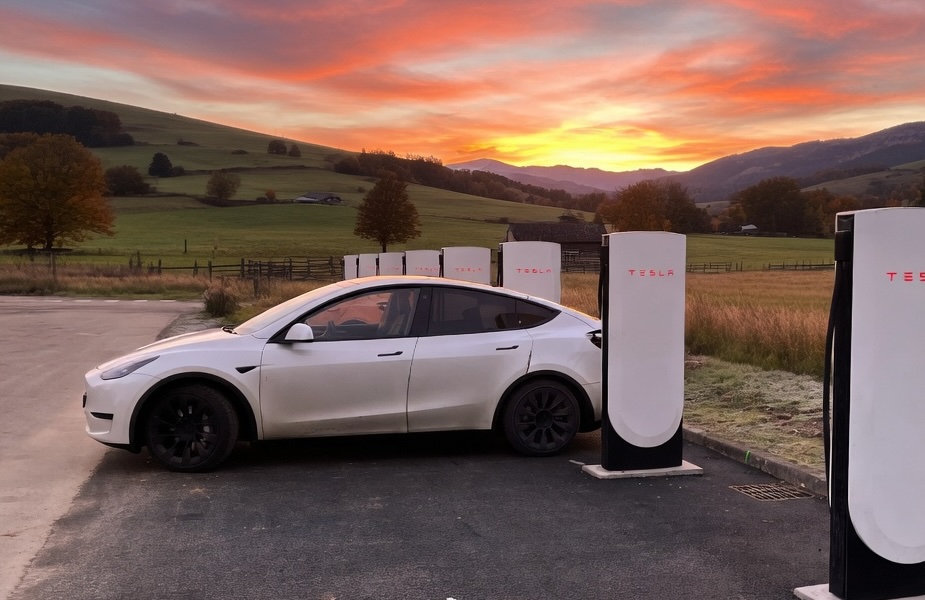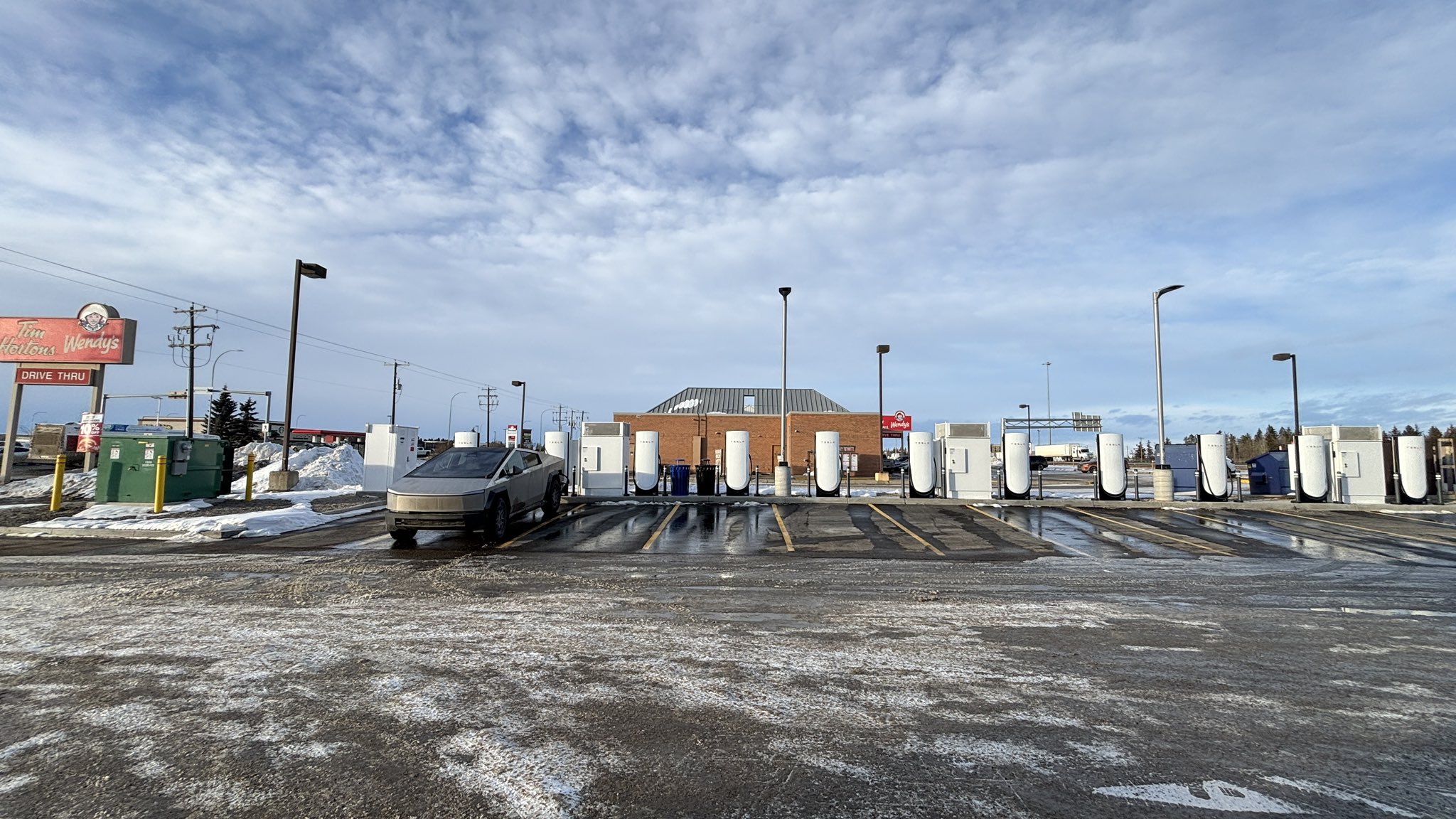
Canada's electric vehicle infrastructure is undergoing a transformative acceleration, with a record number of new DC fast-charging ports coming online and seeing immediate, heavy use. According to a pivotal new industry report, the nation added nearly 2,000 public fast-charging ports in 2025, a surge that is critical for supporting the wave of new EV adopters. The data reveals not just growth, but a clear leader in utilization and network expansion: Tesla.
Tesla's Supercharger Network Dominates Utilization
The Q4 2025 report from analytics firm Paren provides a granular look at charger performance, and the findings are stark. While multiple networks contributed to the physical expansion, Tesla's Supercharger stations demonstrated far higher usage rates than competitors. This indicates that Tesla's strategic placement, reliability, and seamless user experience are translating directly into driver preference. For non-Tesla EV drivers, this underscores the immense value of gaining access to this network through the North American Charging Standard (NACS) adoption, which is rapidly making Tesla's infrastructure the de facto highway charging backbone.
Strategic Expansion and the NACS Effect
The addition of 2,000 ports represents a coordinated push involving federal funding, utility investments, and private enterprise. Tesla's expansion has been particularly strategic, focusing on key travel corridors and urban hubs to alleviate range anxiety. The move by nearly every major automaker to adopt the NACS connector by 2025 has fundamentally altered the landscape. This has validated Tesla's technology and turned its Supercharger network into a lucrative, industry-wide service platform. The report suggests this interoperability mandate is a primary driver behind the network's soaring utilization metrics, as more drivers from brands like Ford, GM, and Rivian plug in.
This infrastructure boom is a direct response to Canada's ambitious EV sales targets and the increasing diversity of electric models available to consumers. The data confirms that building ports is only half the battle; ensuring they are reliable, well-maintained, and conveniently located is what drives actual adoption. Tesla's performance in the Paren report highlights a competitive gap that other charging providers must urgently address, focusing on uptime and user experience rather than just port count.
Implications for Tesla Owners and Investors
For current and prospective Tesla owners, this report is reinforcing news. It signals a continued commitment to enhancing the core ownership advantage of seamless long-distance travel, even as the network opens to others. The high utilization may lead to more dynamic pricing or busier stations, but it also financially justifies faster expansion and new installations. For Tesla investors, the data crystallizes the energy business as a significant and growing revenue stream. The Supercharger network is evolving from a cost center that sells cars into a profitable, essential service for the entire EV ecosystem, creating a durable competitive moat and a new model for sustainable growth beyond vehicle manufacturing.