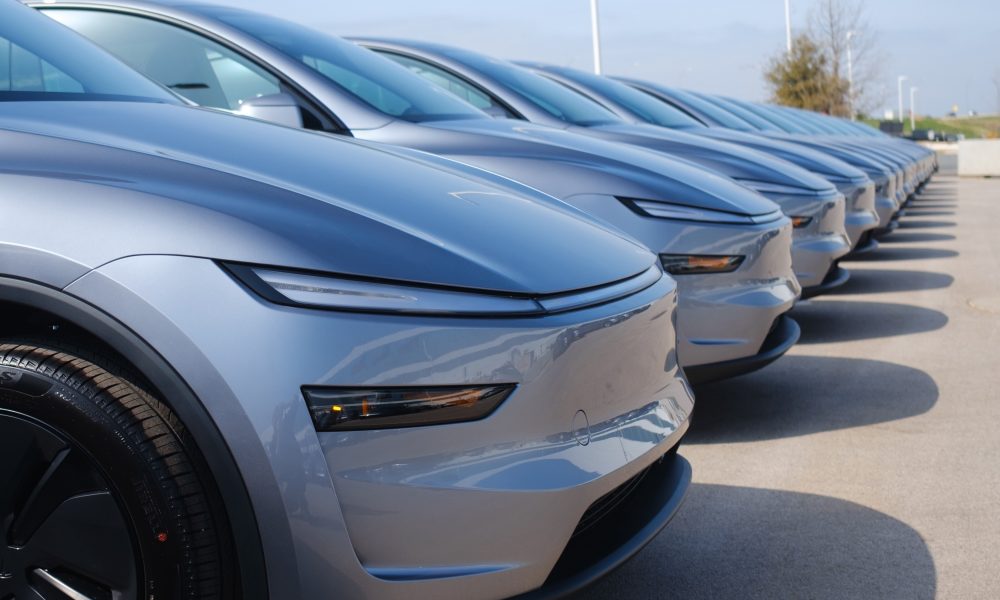
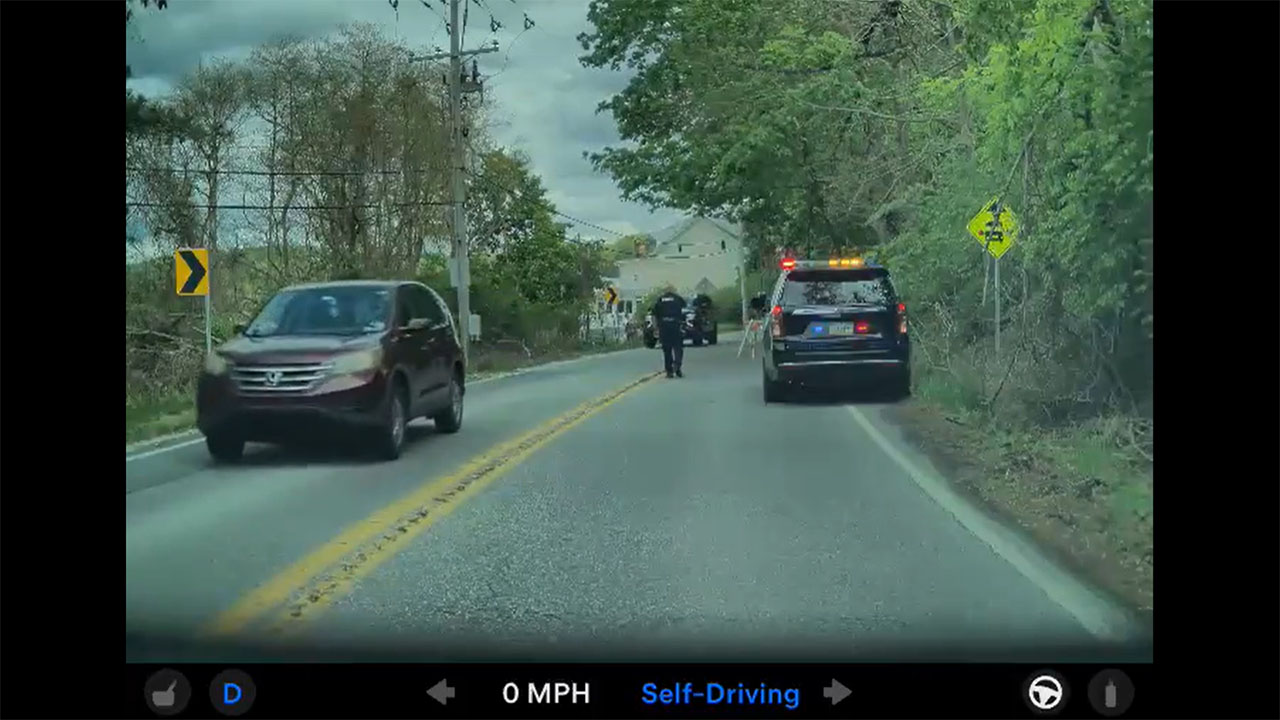
Tesla's long-promised autonomous future is taking a deliberate, measured step into new territory. The company has officially launched its "Robotaxi" service in two major Texas markets, Houston and Dallas, marking a critical expansion beyond its initial testbeds of Austin and San Francisco. This move signals growing confidence in its Full Self-Driving (FSD) technology, but the launch maps reveal a strategy of extreme caution, starting with tightly constrained operational zones that cover only a fraction of each metropolitan area.
Mapping the Modest Footprint
Analysis of the released service maps indicates that Tesla is beginning with remarkably small geofences. The Houston zone is estimated to cover approximately 25 square miles, while the Dallas area appears focused on the affluent Highland Park neighborhood. This stands in stark contrast to the company's progress in Austin, where the operational area has grown to about 245 square miles after nearly a year of iterative expansion. The strategy is clear: master a dense, complex urban core before widening the net. This phased approach allows Tesla's neural networks to gather vast amounts of localized data on street layouts, traffic patterns, and unique regional driving behaviors, which is the essential fuel for improving its autonomous system.
The Data-Driven Path to Expansion
This launch is less about immediate, city-wide service and more about a critical data acquisition campaign. By deploying a fleet of Robotaxis in these new, limited zones, Tesla engineers can stress-test the FSD system against a fresh set of challenges—from Houston's sprawling highway interchanges to Dallas's intricate suburban streets. Every intervention by a safety driver and every edge case encountered becomes a data point used to train the company's AI. The expansion from Austin's initial 20-square-mile footprint to its current size demonstrates the expected trajectory: if performance and safety metrics are met in these core zones, the geofences will likely expand outward in concentric circles, gradually swallowing more of each city.
For the broader EV and autonomous vehicle industry, Tesla's city-by-city, block-by-block rollout establishes a clear blueprint. It prioritizes depth of learning over breadth of service, acknowledging that true scalability requires proving reliability in diverse, hyper-local conditions first. This methodical pace may temper the most bullish timelines for a global robotaxi network, but it underscores the monumental complexity of achieving safe, generalized autonomy. Tesla is effectively building a detailed digital twin of urban driving, one neighborhood at a time.
Implications for Owners and Investors
For Tesla owners, particularly those with FSD capability, the expansion is a tangible sign of progress. It validates the continuous software updates they receive and suggests that the functionality they've invested in is on a path to becoming a revenue-generating asset through the future Tesla Network. For investors, the Houston and Dallas launch is a milestone that de-risks the Robotaxi narrative, proving the service can be deployed in new, complex environments. However, the tiny geofences also serve as a reality check, highlighting the significant work still required before the service achieves meaningful scale and financial impact. The coming months will be crucial, as the rate of geographic expansion in these new cities will be the most telling metric of Tesla's true technical readiness and operational confidence.