Tesla has begun rolling out Full Self-Driving v15, and the software's changelog reads like a confession. The update targets precisely the shortcomings that critics, regulators, and owners have flagged for years: inconsistent sign detection, clumsy pothole avoidance, and unreliable speed control in school zones. In other words, Tesla is finally addressing the parts of FSD that have most often made the system feel less like a robotaxi and more like a nervous student driver.
An Update That Confronts FSD's Most Visible Flaws
The headline improvements in FSD v15 focus on the fundamentals of everyday driving. Tesla says the system now recognizes and responds to road signs with far greater consistency, handles potholes and degraded road surfaces more intelligently, and manages speed in school zones with the kind of caution that local authorities — and parents — expect. These are not exotic edge cases. They are the bread-and-butter scenarios that determine whether an electric vehicle can be trusted to drive itself through an ordinary suburban commute.
Perhaps the most striking claim in the release is Tesla's assertion of "25x better handling of safety critical cases." That figure, if it holds up in real-world testing, would represent a step-change rather than an incremental polish. Tesla has not detailed the precise methodology behind the multiplier, and independent verification will take time. Still, the framing signals that the company views v15 as a safety-focused release first and a feature release second — a notable shift in emphasis for a program that has often led with ambition rather than caution.
Live Visualization Raises the Bar for Transparency
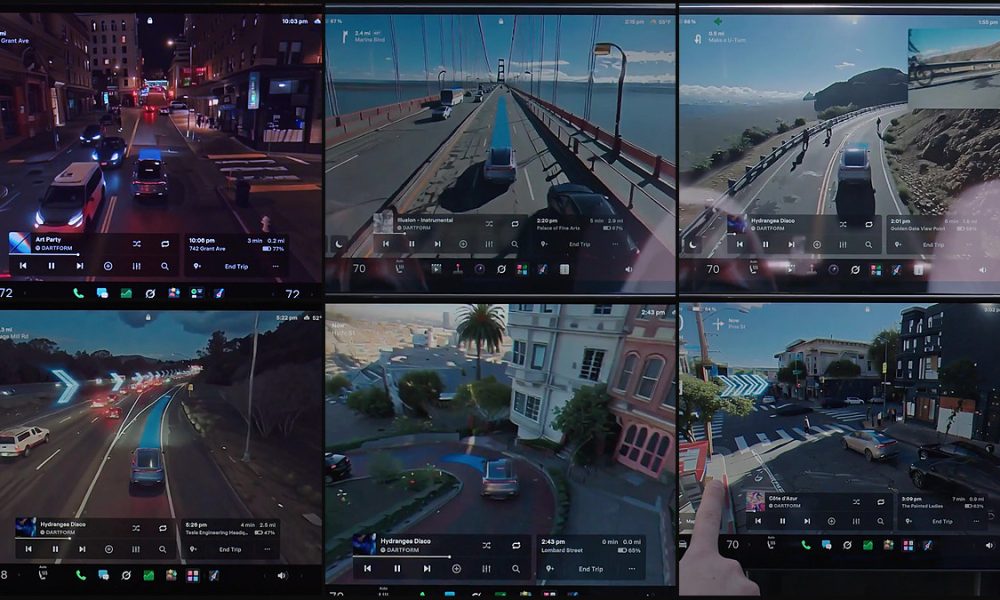
Tesla is also shipping a new live visualization that renders the vehicle's perception of the world in strikingly richer detail. Early glimpses of the interface have drawn praise for their clarity, showing how the EV interprets lanes, obstacles, and surrounding traffic in real time. The visualization is more than eye candy: it gives drivers a window into the system's decision-making, which matters as Tesla pushes to expand FSD's reach and rebuild confidence after years of scrutiny from safety advocates and government agencies.
The strategic logic is clear. Tesla's Full Self-Driving push underpins much of the company's long-term valuation story, from robotaxi ambitions to software revenue. Every update that meaningfully improves reliability strengthens that narrative. Conversely, high-profile mistakes — a missed stop sign, a curb strike, a misjudged school-zone speed — erode trust and invite regulatory attention. By naming its weaknesses outright, Tesla is betting that visible progress will be judged more favorably than vague promises.
What v15 Means for Owners and Investors
For Tesla owners enrolled in the FSD program, v15 is worth watching closely. The rollout will be staged, as is customary, and early adopters should expect the usual calibration period as the fleet generates feedback. Drivers in dense urban areas and school-heavy neighborhoods stand to gain the most, given the update's focus on signs, speed discipline, and road hazards. Owners should also temper expectations: a changelog is not a guarantee, and the gap between demo and daily driving has tripped up FSD before.
For investors, the release is a reminder that Tesla's software flywheel remains its most distinctive asset in the electric vehicle market. Competitors can match hardware specs, but few can replicate a fleet-scale data engine that ships improvements over the air. If the "25x" safety claim survives independent scrutiny, v15 could mark the moment FSD's reputation begins to catch up with its marketing — a development with real consequences for Tesla's autonomy narrative and, ultimately, its share price.