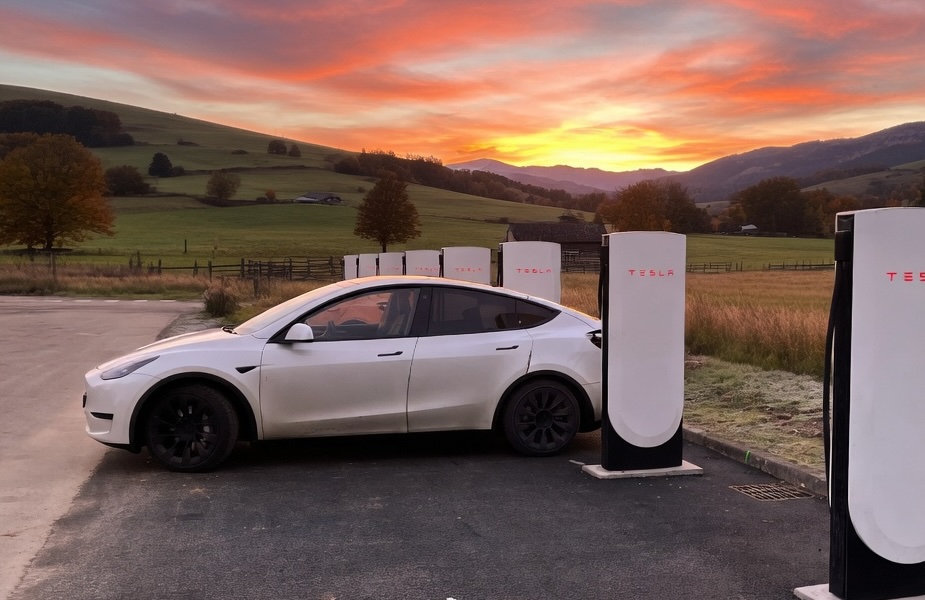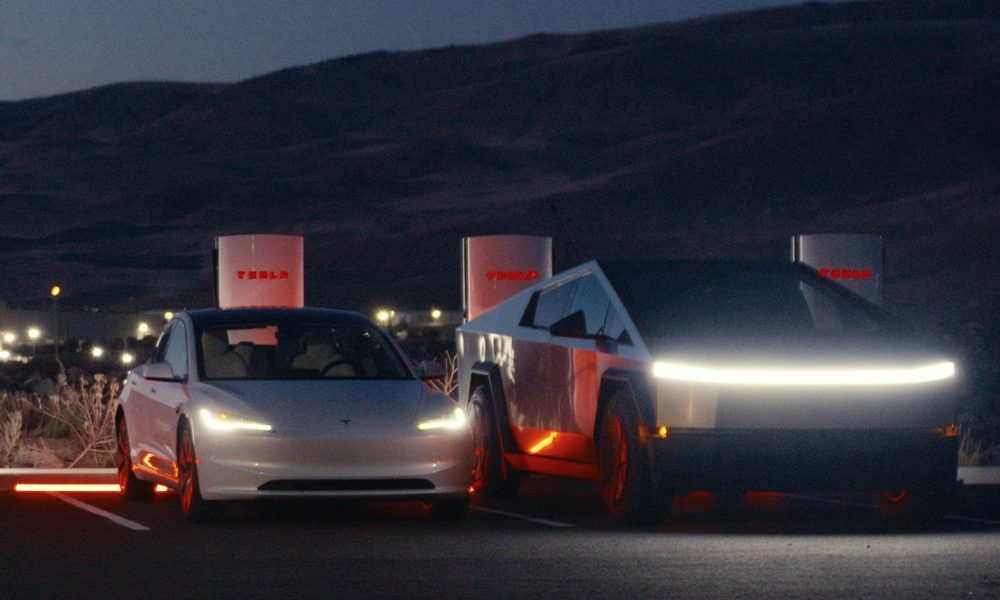
Tesla has officially activated what is being hailed as the first "true" V4 Supercharger station on the U.S. East Coast in Wilson, North Carolina. While the company has deployed hundreds of V4-style stalls over the past year, this specific installation represents a significant technological leap, moving beyond mere hardware changes to unlock the full potential of the next-generation charging architecture. For Tesla owners and the broader EV community, this marks a pivotal step toward the ultra-fast, universally accessible charging future that has long been promised.
Beyond the Cable: The "True" V4 Distinction
The key difference lies not in what users see, but in the power flowing through the cabinet. Since 2023, Tesla has installed numerous V4 dispensers featuring the now-familiar upgrades: longer cables to accommodate various port locations, built-in touchscreen displays, and integrated credit-card readers for seamless non-Tesla charging. However, many of these earlier sites were still powered by the previous-generation V3 infrastructure cabinets, limiting their peak charging capability. The Wilson, NC station is the first on the East Coast confirmed to be powered by the new 1 MW V4 power cabinet. This foundational upgrade is what enables the hardware to eventually deliver higher charging speeds, potentially beyond the current 250 kW ceiling, as vehicle battery technology advances.
Future-Proofing the Network for All EVs
This deployment is a clear signal of Tesla's strategic direction for its Supercharger network. The "true" V4 architecture is engineered for maximum compatibility and scalability. The combination of longer cables, universal payment systems, and now, higher-capacity power cabinets, positions these stations to effortlessly serve not only future Tesla models like the Cybertruck but also the growing fleet of 800-volt architecture vehicles from competitors like Rivian, Lucid, and Porsche. By building infrastructure that can scale with technology, Tesla is ensuring its network remains the gold standard for reliability and speed, even as battery capacities and charging curves become more aggressive.
The activation in Wilson is likely a pilot for a broader, accelerated rollout of the full V4 standard. Tesla is under pressure to expand its network's capacity and compatibility, especially after opening it to numerous other electric vehicle brands via the North American Charging Standard (NACS) agreements. Deploying the complete V4 system, from cabinet to dispenser, is essential to managing increased utilization and meeting driver expectations for a premium, fast-charging experience without congestion or power sharing limitations seen at some older sites.
For Tesla owners, the immediate benefit is the enhanced user experience from the physical V4 hardware—easier cable handling and a more streamlined process for charging non-Tesla vehicles owned by friends or family. For investors, this move underscores Tesla's commitment to maintaining and monetizing its formidable competitive moat: its charging infrastructure. As the network becomes more powerful and ubiquitous, it drives brand loyalty, generates high-margin revenue from a growing base of non-Tesla drivers, and directly supports the company's overarching mission to accelerate the world's transition to sustainable energy.