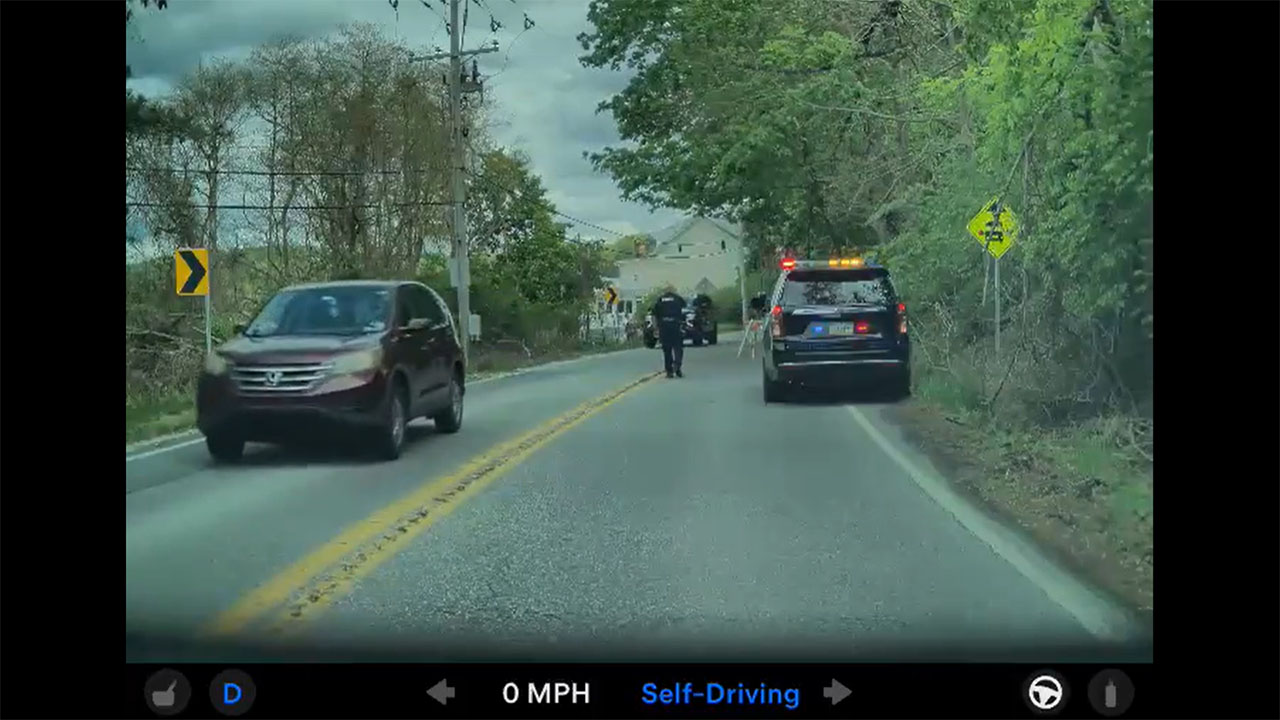
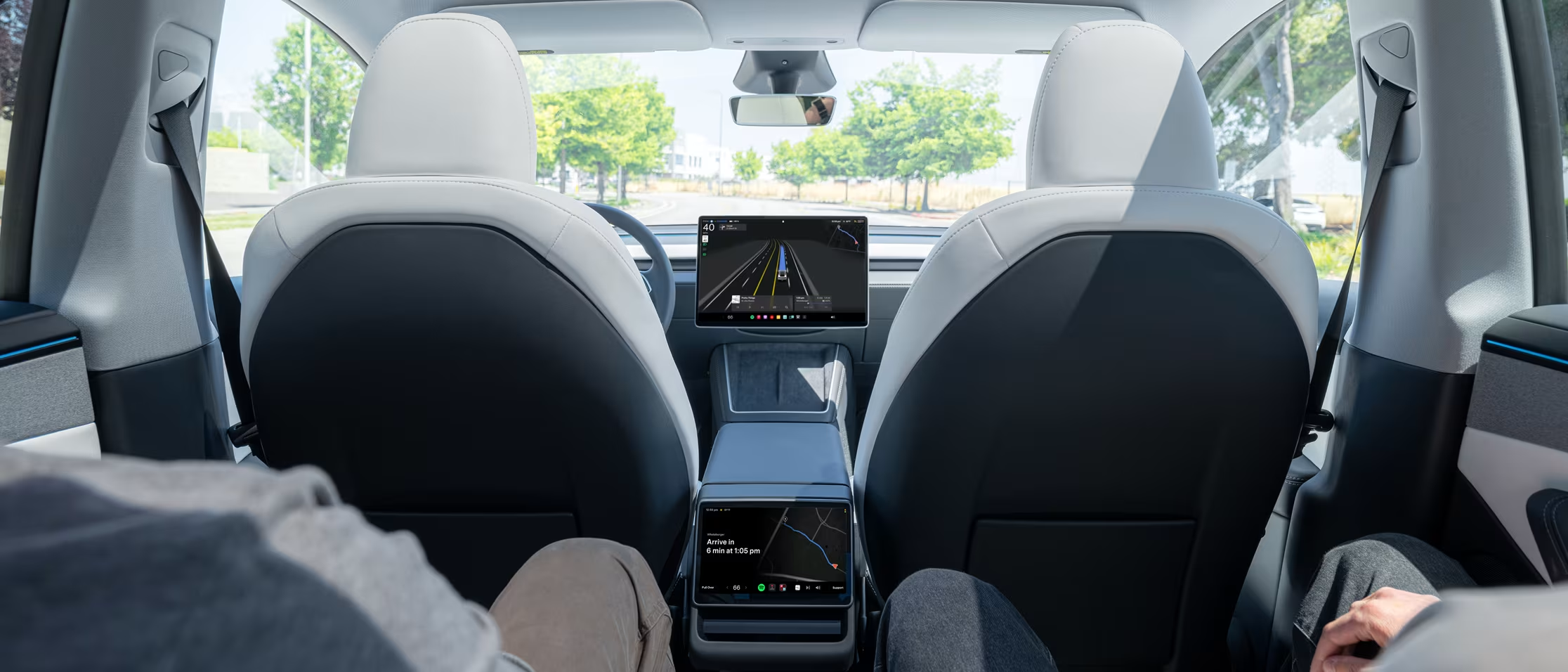
Tesla's global ambitions for its most advanced driver-assistance system have shifted into a higher gear, moving from the familiar roads of North America to the sun-drenched highways of the Middle East. The company has officially launched its first Full Self-Driving (Supervised) road trials in Abu Dhabi, marking a pivotal moment in the international validation of the technology. This strategic expansion into a key global market signals Tesla's confidence in FSD's adaptability and its aggressive timeline for a worldwide rollout.
A Strategic Beachhead in the Middle East
The choice of Abu Dhabi is far from incidental. As the capital of the United Arab Emirates, a nation aggressively pursuing technological leadership and sustainable mobility, it offers a unique proving ground. The city's modern infrastructure, coupled with complex multi-lane highways and diverse traffic patterns, presents a rigorous test for FSD's neural networks. This move is a direct answer to growing demand from Tesla owners in regions outside North America and serves as a critical data-collection hub. The insights gained from Abu Dhabi's unique driving conditions will be invaluable for training Tesla's AI to handle a wider array of global scenarios, from specific traffic behaviors to unfamiliar road signage.
Navigating the "Supervised" Reality and Regulatory Hurdles
It is crucial to emphasize that these are trials of FSD (Supervised), which requires an attentive driver ready to take control at any moment. The launch represents a cautious, regulatory-first approach, likely involving a limited number of vehicles and pre-approved participants. Success in Abu Dhabi is not just about technical performance; it is equally about demonstrating safety and reliability to local authorities. A positive outcome here could pave the way for a broader regulatory approval, not just in the UAE but potentially influencing neighboring Gulf Cooperation Council (GCC) states. This step-by-step validation process is Tesla's blueprint for entering new markets with its controversial yet groundbreaking technology.
For Tesla owners and investors, the Abu Dhabi trials are a tangible signal of progress on a long-promised goal. International expansion of FSD is a key revenue unlock, as the $12,000 (or $199/month) software package represents one of the automotive industry's highest-margin products. Every new market approval translates directly to the company's bottom line. Furthermore, a successful international debut strengthens Tesla's narrative as a pure-play AI and robotics leader, not just a carmaker. For global owners, it fuels anticipation that their own vehicles may soon gain access to the feature, enhancing both utility and residual value.
The implications are clear: Tesla is methodically executing its plan to make FSD a global product. While widespread availability in Europe, Asia, and other regions still faces a web of regulatory challenges, the Abu Dhabi initiative proves the system can be tailored and tested for new environments. Investors should watch for updates on trial progress and any subsequent regulatory nods, as these will be leading indicators for future revenue streams. For the EV industry at large, Tesla's persistent push continues to set the pace, forcing competitors and regulators worldwide to define their own positions on the future of autonomous driving.