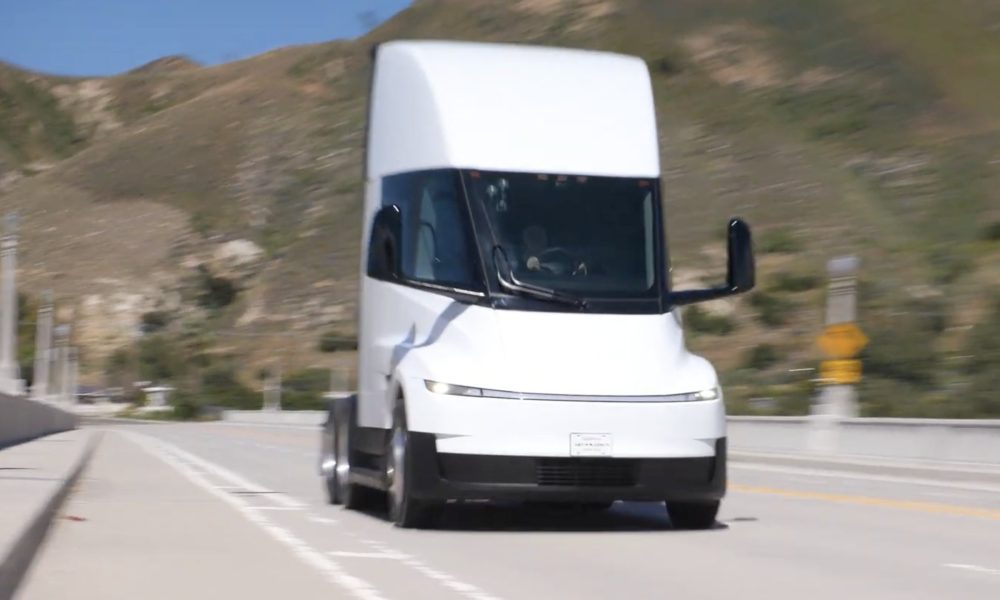
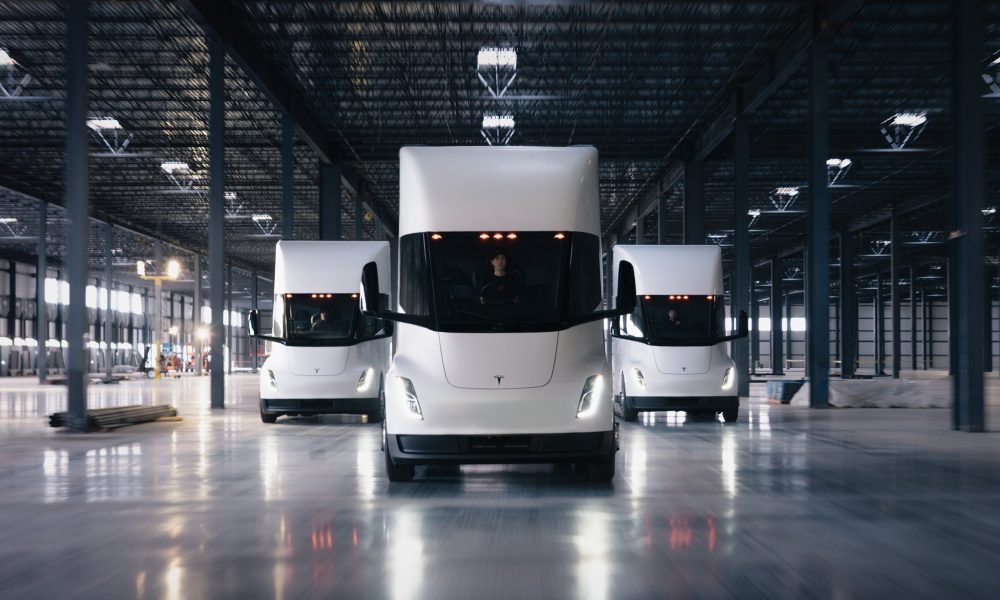
Tesla is rewriting the rules for heavy-duty electric trucking with a bold new charging ecosystem. The company has officially launched the “Semi Charging for Business” program, unveiling not only its high-powered Megacharger but also a brand-new, lower-cost solution called the Basecharger. This strategic move targets fleet operators who need scalable, overnight charging infrastructure, signaling Tesla’s intent to dominate the commercial EV charging market.
Introducing the Basecharger: 125 kW for Depot and Overnight Use
The Basecharger is a 125 kW charging unit designed specifically for depot and overnight charging. Unlike the ultra-fast Megacharger, this new product prioritizes cost-efficiency and simplicity for fleets that park their trucks for extended periods. Tesla’s configurator reveals that the Basecharger can be paired with the Megacharger or deployed standalone, giving operators flexibility. For businesses running shorter routes or multiple shifts, this lower-power option reduces upfront capital expenditure while still leveraging Tesla’s proprietary charging architecture.
Megacharger Pricing Revealed: $188,000 for Two Posts
The online configurator has also disclosed the starting price of $188,000 for two Megacharger posts, excluding taxes and installation. This is a significant investment, but Tesla is sweetening the deal with an all-inclusive fee of $0.08 per kWh for revenue-generating sites. That rate covers energy, maintenance, and software, making it highly competitive against diesel costs. For context, the Megacharger delivers over 1 MW of power, capable of adding 70% range to a Semi in just 30 minutes. The pricing structure suggests Tesla is targeting high-volume corridors and logistics hubs where rapid turnaround is critical.
Implications for Tesla Owners and Investors
For current Tesla investors, this program represents a new recurring revenue stream beyond passenger vehicles. The $0.08 per kWh fee model could generate steady cash flow once the Semi fleet scales. For fleet operators, the dual-charger strategy lowers the barrier to entry: the Basecharger is ideal for less time-sensitive routes, while the Megacharger handles long-haul demands. However, the high upfront cost of $188,000 for Megacharger posts may limit adoption to larger logistics firms initially. Tesla owners should watch how this infrastructure rollout impacts the broader EV ecosystem, as standardized high-power charging could eventually trickle down to passenger vehicles. The move solidifies Tesla’s position as an end-to-end energy provider, from solar to semi-truck charging.