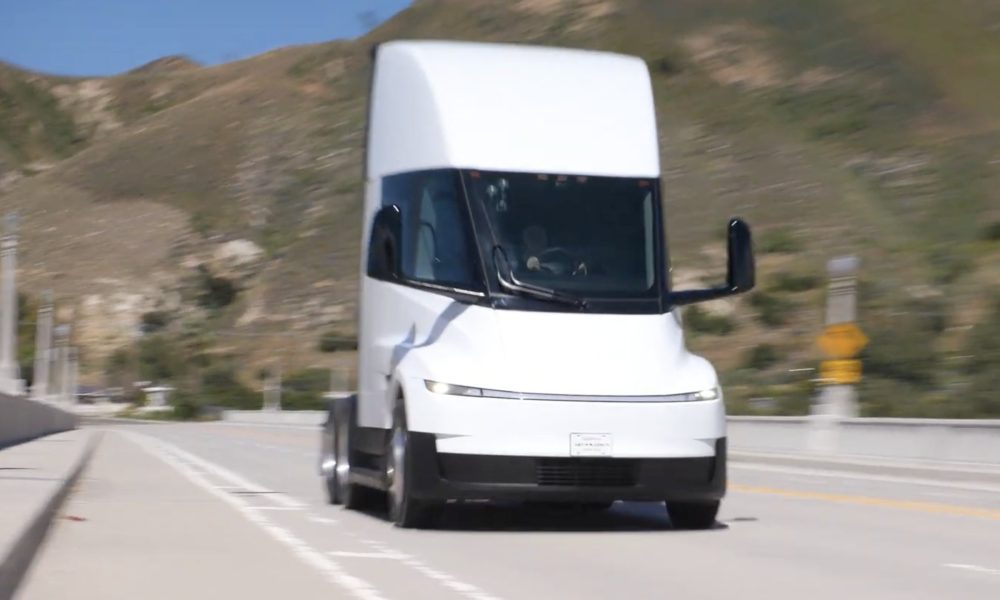
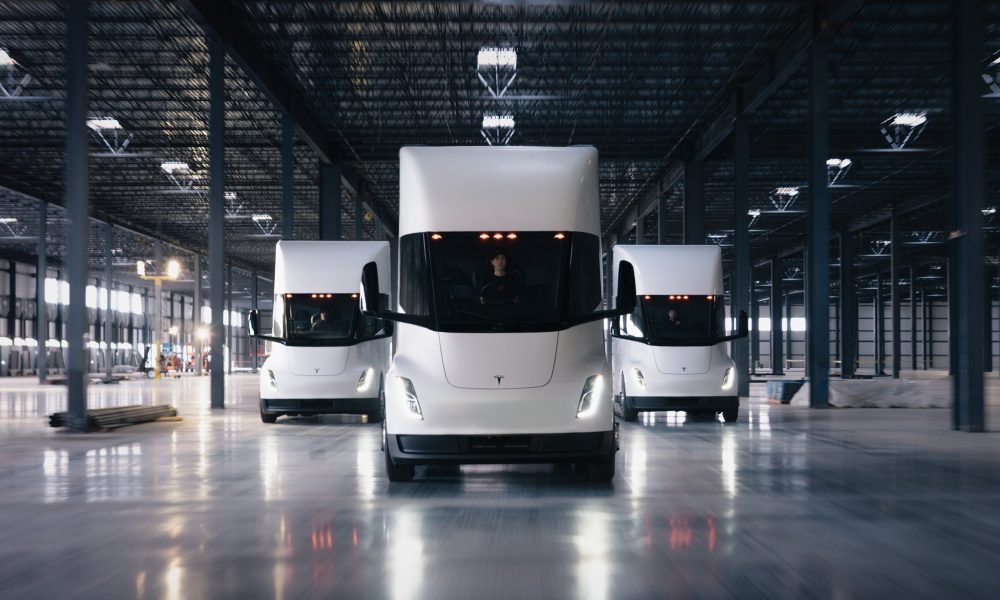
Tesla is flipping the script on commercial trucking, launching its Semi Charging for Business program just as production of the long-awaited electric semi-truck finally gets underway. This strategic move allows companies to install dedicated charging infrastructure for heavy-duty trucks at their own facilities, mirroring the playbook Tesla used to build out its passenger vehicle ecosystem. For fleet operators, this is a clear signal that the age of electrified logistics is no longer a future promise—it's an operational reality demanding immediate attention.
A Direct Parallel to the Passenger EV Playbook
The new program echoes Tesla's earlier strategy with passenger vehicles, where the company encouraged home and workplace charging to reduce range anxiety. By enabling businesses to host their own charging stations, Tesla is tackling the biggest hurdle for electric truck adoption: infrastructure gaps. The Semi Charging for Business initiative provides site assessment, hardware recommendations, and installation guidance, tailored specifically for the 1,000-volt architecture of the Tesla Semi. This isn't a one-size-fits-all solution; it's a modular framework designed to scale with a fleet's needs, from single-truck operations to massive distribution centers.
Production Ramp and the Energy Ecosystem
This announcement arrives as Tesla begins initial production of the Semi at its Gigafactory in Nevada, with early deliveries to PepsiCo already underway. The charging program leverages Tesla's Megapack and Solar products, allowing companies to potentially power their truck fleets with on-site renewable energy. This closed-loop approach reduces operating costs and shields businesses from volatile diesel prices. For Tesla, it's a masterstroke: the Semi becomes a catalyst for selling energy storage and solar solutions, creating a sticky ecosystem that locks in commercial customers for years.
What This Means for Tesla Owners and Investors
For Tesla investors, the Semi Charging for Business program represents a high-margin revenue stream beyond vehicle sales. The commercial charging infrastructure market is projected to grow exponentially, and Tesla is positioning itself as the turnkey provider. For Tesla owners, the indirect benefits are significant: as more Semis hit the road, the Supercharger network may see increased traffic from logistics hubs, potentially improving charging station density in underserved corridors. Additionally, the learnings from heavy-duty charging—such as higher-power connectors and battery thermal management—will almost certainly trickle down to future passenger vehicles. The bottom line is clear: Tesla is betting that electrification of freight will accelerate adoption across all vehicle classes, and this program is the infrastructure bridge to make it happen.