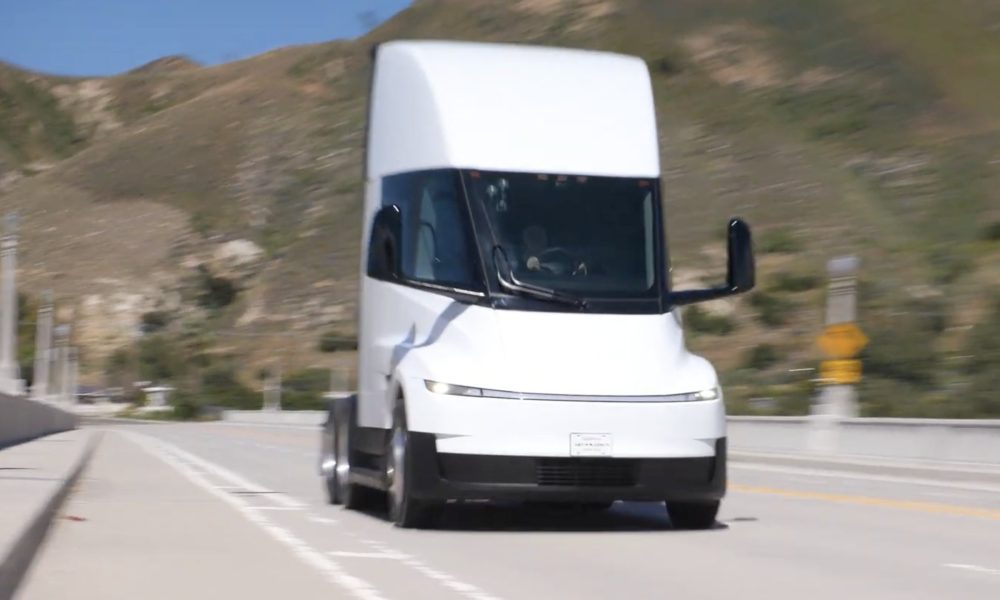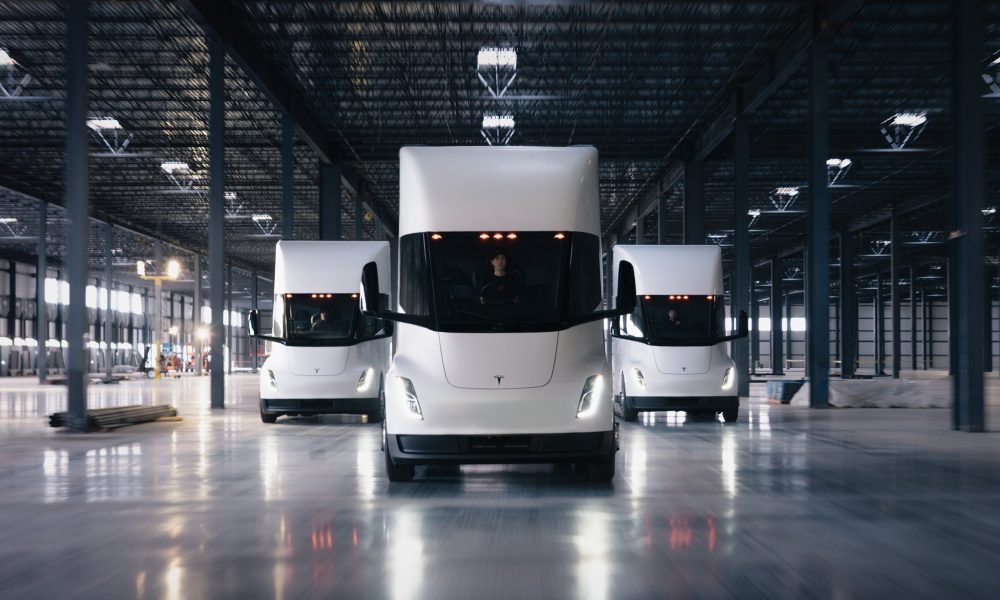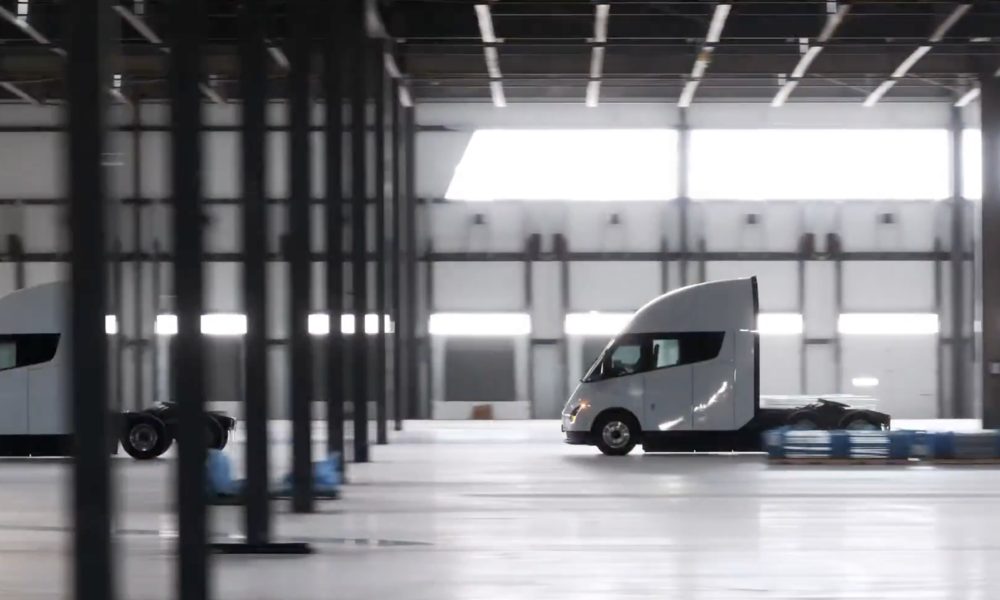
In the high-stakes race to electrify heavy transport, Tesla's Semi program has faced a formidable obstacle: scaling battery production to meet the immense energy demands of a long-haul truck without compromising cost or manufacturing efficiency. A novel solution, however, appears to be rolling off the line from an unexpected source. Tesla is now leveraging a redesigned 4680 battery cell originally developed for the Cybertruck to mitigate the core challenges holding back the Tesla Semi, showcasing a masterclass in vertical integration and adaptive engineering.
The Core Challenge: Powering a Behemoth
The Tesla Semi requires a battery pack of staggering capacity, estimated to be over 800 kWh for its long-range variant. Producing enough robust, energy-dense cells at an acceptable cost has been a critical bottleneck. Traditional methods of scaling up cell production for a niche, high-capacity vehicle like the Semi are economically daunting. This is where Tesla's strategy diverges from conventional automotive playbooks. Instead of creating a bespoke cell solely for the Semi, engineers looked across the product lineup for a powerful, structurally integrated cell already in development. The Cybertruck's unique 4680 "Cybercell", with its laser-welded, tabless design for enhanced power and durability, presented a compelling candidate for adaptation.
Cross-Pollination: From Cybertruck to Semi
This strategic repurposing is a signature Tesla maneuver. The Cybertruck's cell was designed from the outset for extreme performance and structural rigidity, key attributes that translate directly to the demanding world of commercial trucking. By utilizing this existing architecture, Tesla bypasses the years of R&D and tooling investment required for a ground-up Semi cell. The move accelerates the Semi's timeline and leverages the economies of scale from the Cybertruck's production ramp. It is perhaps the most recent example of Tesla using unique engineering prowess and cross-pollinating vehicle elements to solve common problems, something it does better than most companies out there. This cross-platform synergy turns a challenge into an advantage, using high-volume consumer vehicle development to de-risk and propel its commercial ambitions.
The implications of this engineering pivot are significant. For the Semi program, it means a more reliable path to volume production with a proven, high-output cell. The shared cell architecture also simplifies supply chain logistics and manufacturing processes at Gigafactories. Furthermore, the data gathered from millions of these cells in the rugged Cybertruck application will provide invaluable real-world feedback to further refine their performance and longevity under heavy loads—a benefit that flows directly back to the Semi's operational reliability.
For Tesla owners and investors, this development underscores the profound strategic value of the company's integrated "machine that builds the machine" philosophy. It demonstrates an agile, capital-efficient approach to problem-solving that legacy manufacturers, with their siloed divisions and supplier dependencies, cannot easily replicate. The successful deployment of the Cybertruck cell in the Semi would validate Tesla's platform strategy, potentially lowering costs and accelerating the profitability of both vehicles. Investors should watch for this technical synergy to be a key driver in finally scaling Tesla Semi production from pilot programs to meaningful commercial delivery volumes, opening a massive new revenue stream in the freight industry.