In the high-stakes arena of autonomous driving, perception often races ahead of regulation. Tesla, under the relentless vision of Elon Musk, finds itself at the center of this friction once again, facing fresh allegations that it is strategically blurring the lines between a future promise and a present-day reality. The core of the controversy: renewed suggestions that the company has operational Robotaxis in the San Francisco Bay Area, a claim that directly conflicts with the legal and technological state of its Full Self-Driving (FSD) system.
The Legal Chasm Between Suggestion and Sanction
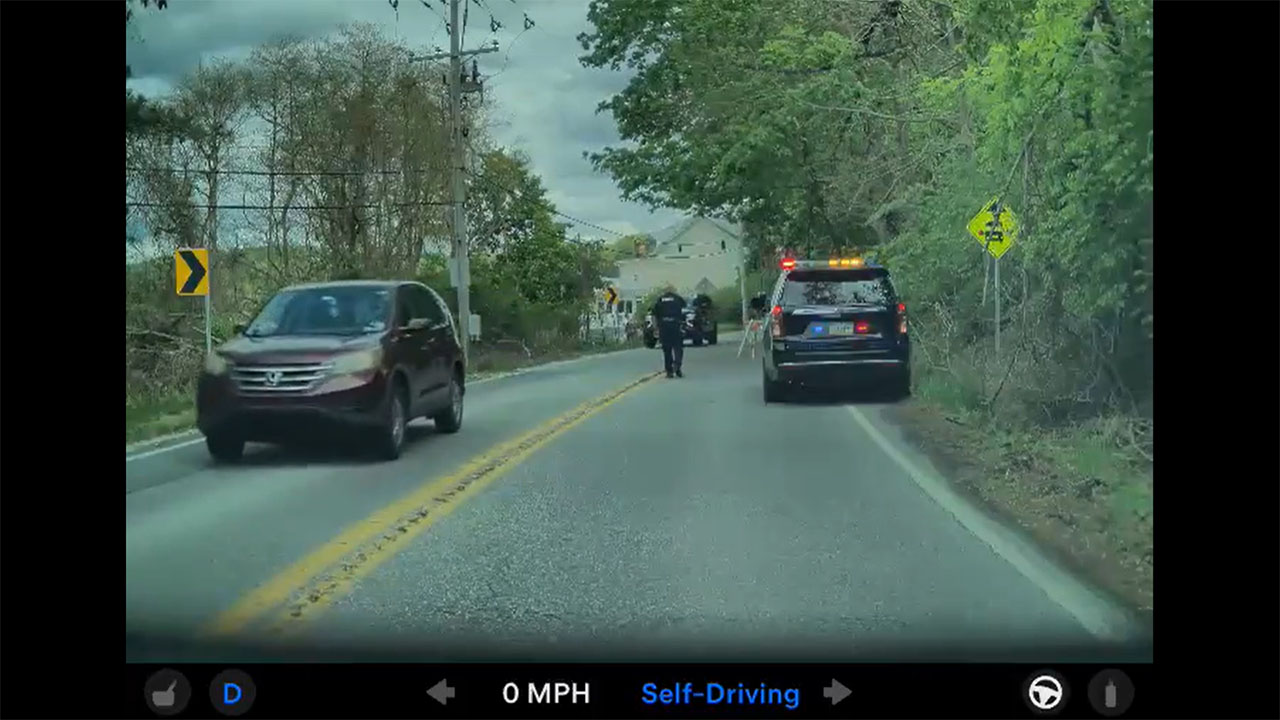
California law draws a definitive line. To operate a truly driverless, commercial autonomous vehicle, a company must secure a permit from the Department of Motor Vehicles (DMV). As of now, Tesla does not hold this permit. Competitors like Waymo and Cruise have navigated this regulatory process, allowing limited commercial robotaxi services in specific cities. Tesla's recent implications of having "Robotaxis" on the road, therefore, appear to refer to vehicles owned by customers or employees using the FSD Beta software—a Level 2 advanced driver-assistance system that legally requires a fully attentive human driver behind the wheel at all times. This semantic gap between a supervised beta test and a sanctioned commercial service is where the accusation of deception gains traction.
Analyzing the "Why": Hype, Pressure, and Investor Sentiment
The motivation behind this narrative push is multi-layered. Primarily, the Robotaxi concept is a cornerstone of Tesla's astronomical valuation, representing a potential multi-trillion dollar market. By keeping the idea of an imminent, functioning network in the public discourse, Tesla sustains a future-growth narrative crucial for investor confidence, especially during periods of increased competition and margin pressure in its core automotive business. Furthermore, it applies indirect pressure on regulators by creating public anticipation and framing Tesla as an innovation leader being held back by bureaucracy. This strategy, however, carries significant risk, potentially setting the stage for regulatory backlash and eroding trust if the timeline for a legal, fully autonomous service continues to stretch.
For Tesla owners and investors, the implications are tangible. Owners utilizing FSD must understand they are testing a beta system, not riding in a robotaxi; their legal and safety responsibility remains absolute. For investors, the situation demands rigorous scrutiny. The repeated emphasis on a product that cannot legally exist as advertised should raise questions about near-term revenue models versus long-term aspirations. The company's ability to eventually navigate the immense technical and regulatory hurdles to a profitable Robotaxi network remains the critical variable, one that current marketing claims do not resolve.