Tesla is rewriting its 2026 narrative with a vengeance. After a turbulent start to the year that saw inventory gluts and wavering investor confidence, the automaker has roared back in April, posting what insiders are calling a "record sales rebound" across its two largest markets. The numbers are stunning, and they signal that the electric vehicle giant’s strategy of aggressive pricing, localized production, and software-driven loyalty is finally paying off in a big way.
China and Europe Lead the Charge
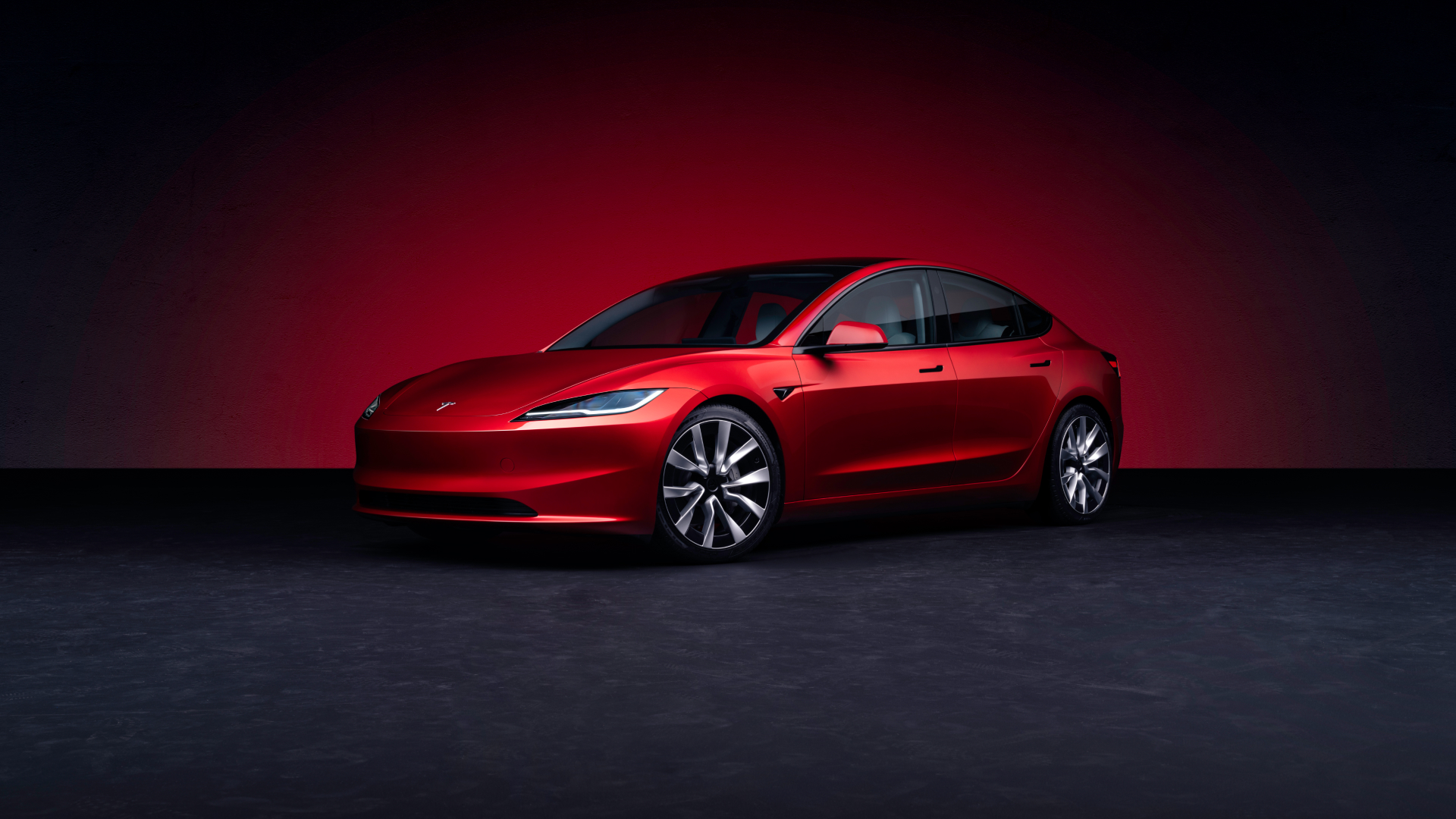
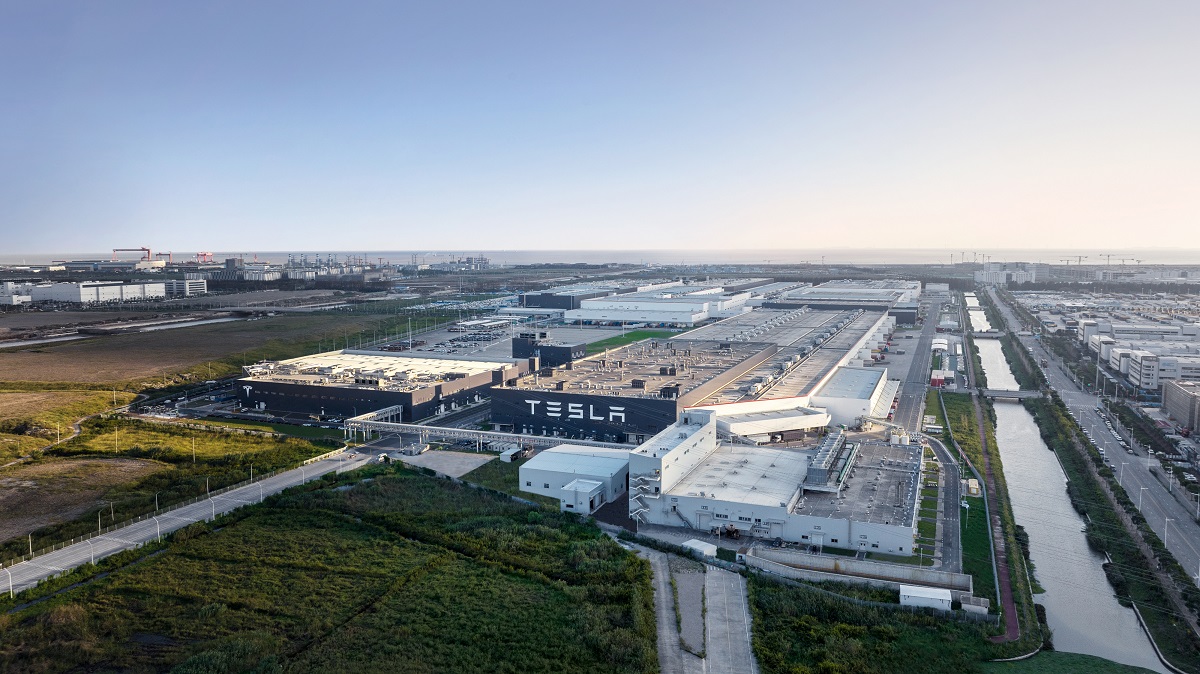
In China, Tesla’s most critical market outside the U.S., monthly registrations for the Model 3 and Model Y surged past 85,000 units in April 2026—a figure not seen since the peak of the 2023 price war. This represents a 27% quarter-over-quarter increase, driven by refreshed Highland variants and a localized battery pack that slashed costs. Meanwhile, in Europe, Tesla posted its strongest April ever, with sales in Germany, France, and the UK climbing by an average of 34% compared to the same month last year. Analysts attribute this to the ramp-up of the Berlin Gigafactory, which now supplies the entire continent with right-hand-drive configurations and a new Long Range RWD trim that undercuts local rivals on price per kilometer.
The Strategy Behind the Surge
This rebound is no accident. Tesla has methodically deployed price cuts of up to $2,500 per vehicle in China during Q1 2026, while simultaneously expanding its Supercharger network by 15% in Europe. The company also rolled out a referral program that offers three months of free Full Self-Driving (Supervised) to new buyers—a move that boosted showroom traffic by 40% in key urban centers. Crucially, the Cybertruck has begun shipping in limited volumes to international markets, creating a halo effect that drives attention to the core sedan and SUV lineup. “Tesla is proving that scale and vertical integration still win in a crowded EV market,” noted a senior analyst from BloombergNEF, pointing to the automaker’s 22% gross margin on these sales—far healthier than legacy automakers bleeding cash on their EV divisions.
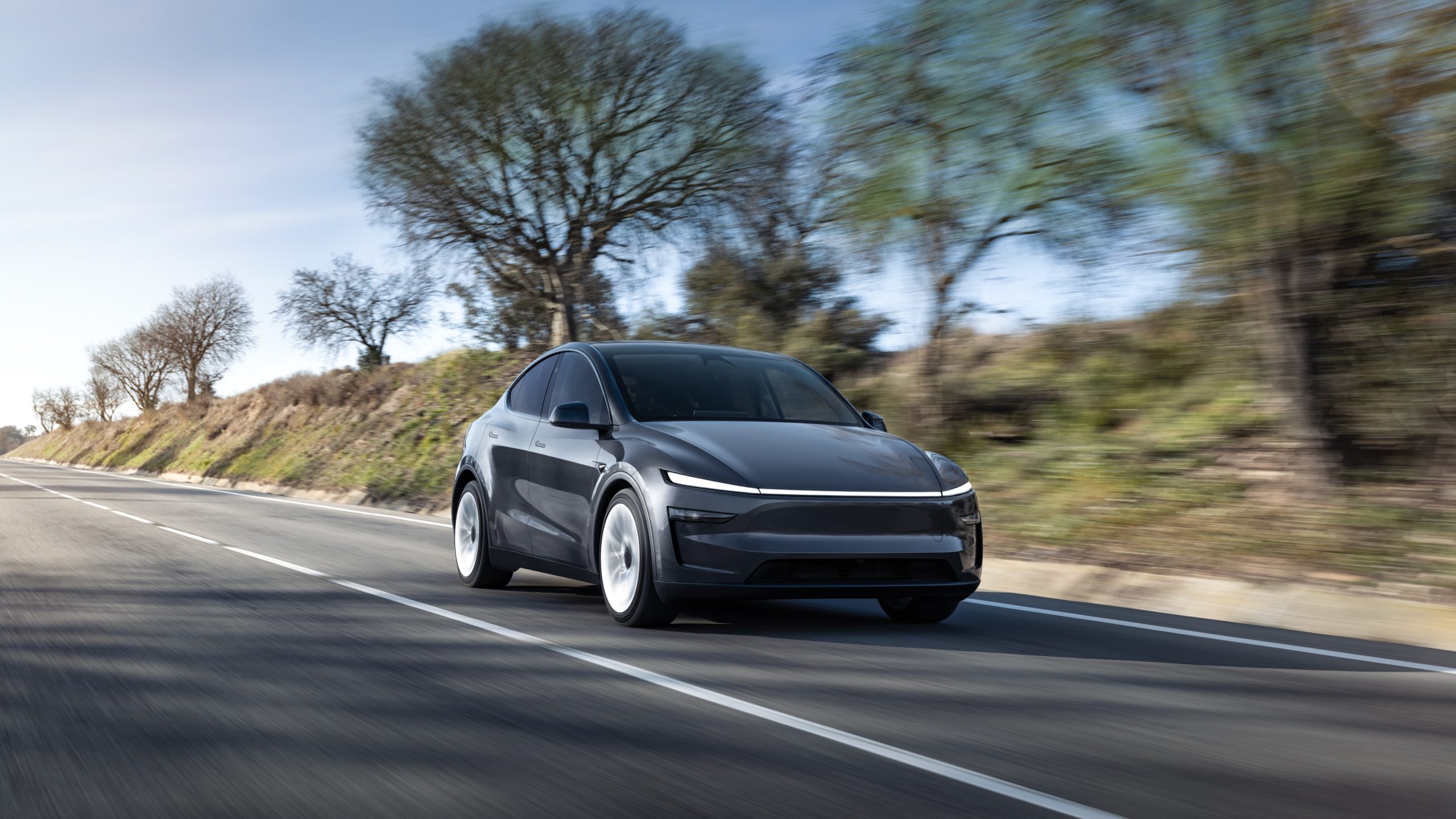
The competitive landscape, however, remains fierce. BYD continues to dominate China’s budget segment with its Seagull and Dolphin models, while Volkswagen and Stellantis are flooding Europe with sub-€30,000 electric hatchbacks. Yet Tesla’s rebound suggests that brand loyalty and software differentiation—particularly the upcoming v14 update for Autopilot—are creating a moat that low price alone cannot breach. In the United States, Tesla also saw a 12% uptick in April deliveries, buoyed by the $7,500 federal tax credit being fully applied to lease deals and a new 0% APR financing offer on the Model Y.
What This Means for Tesla Owners and Investors
For current Tesla owners, the rebound is a double-edged sword. Resale values, which had dipped sharply in early 2025, are stabilizing—especially for 2024 and 2025 Model 3 Performance trims, which now hold 63% of their original value after two years. Investors, meanwhile, should watch the Q2 2026 delivery report due in July. If Tesla sustains this momentum, it could push annual deliveries past 2.2 million units, easily beating the company’s own guidance of 2.0 million. The stock, which has climbed 18% since the April sales data leaked, may find new support if margins hold. However, the real test will come in the second half of the year, when BYD’s new Seal 06 and GM’s Equinox EV hit volume production. For now, Tesla has the wind at its back—and the data proves it.