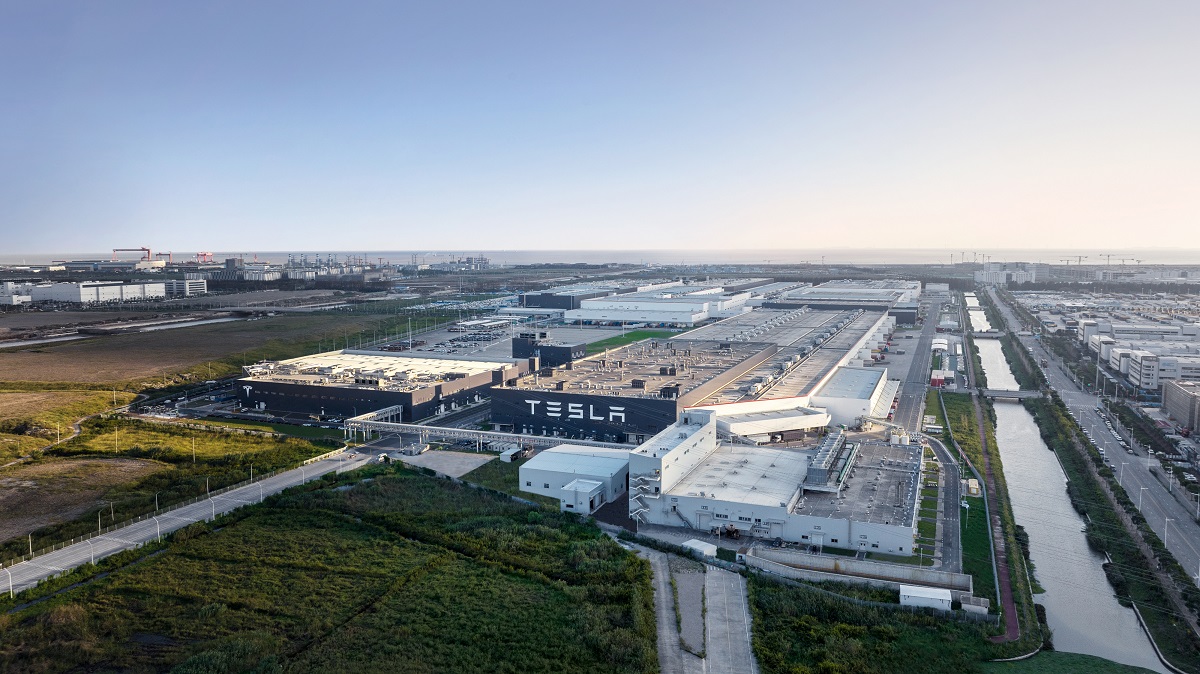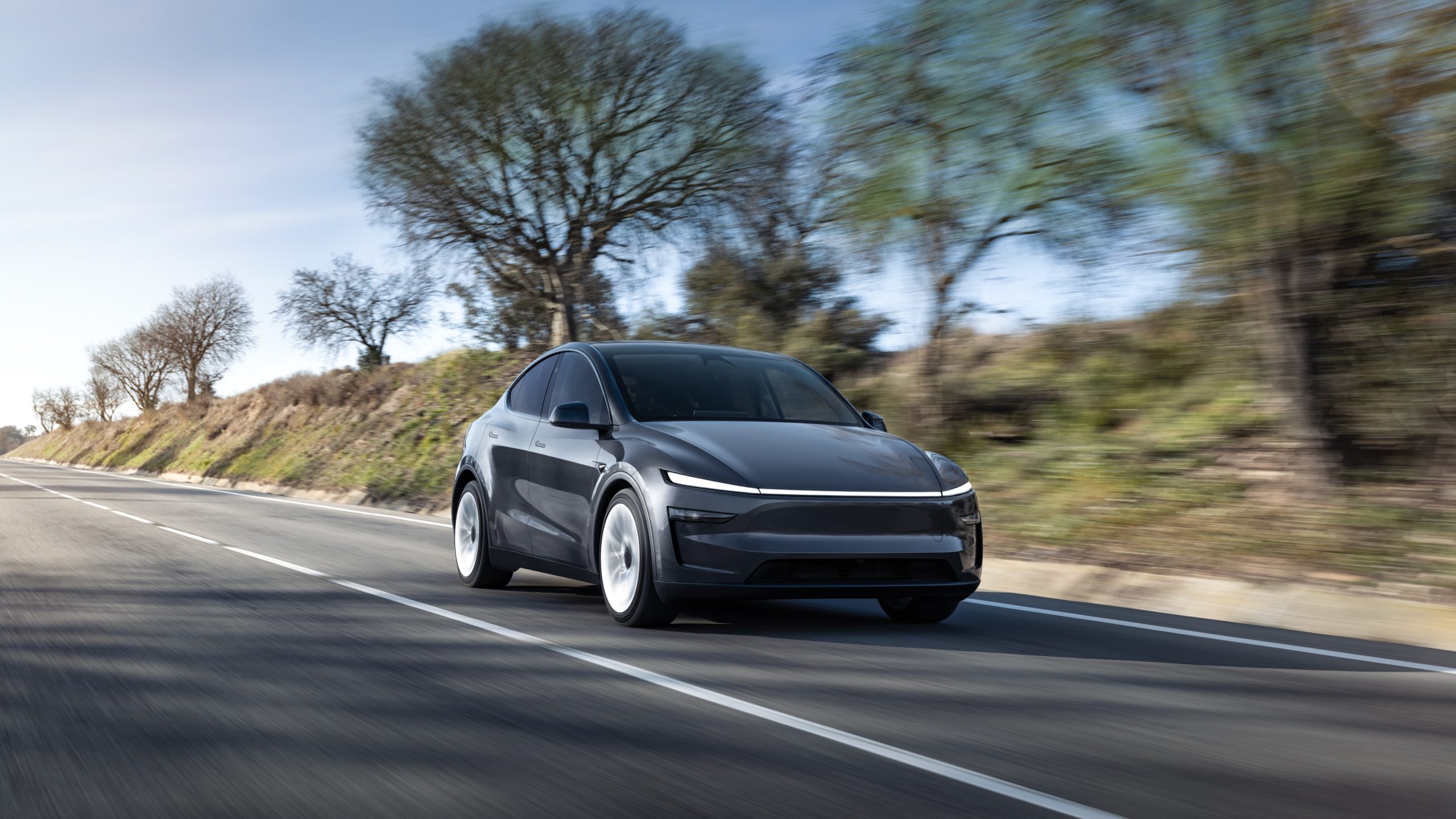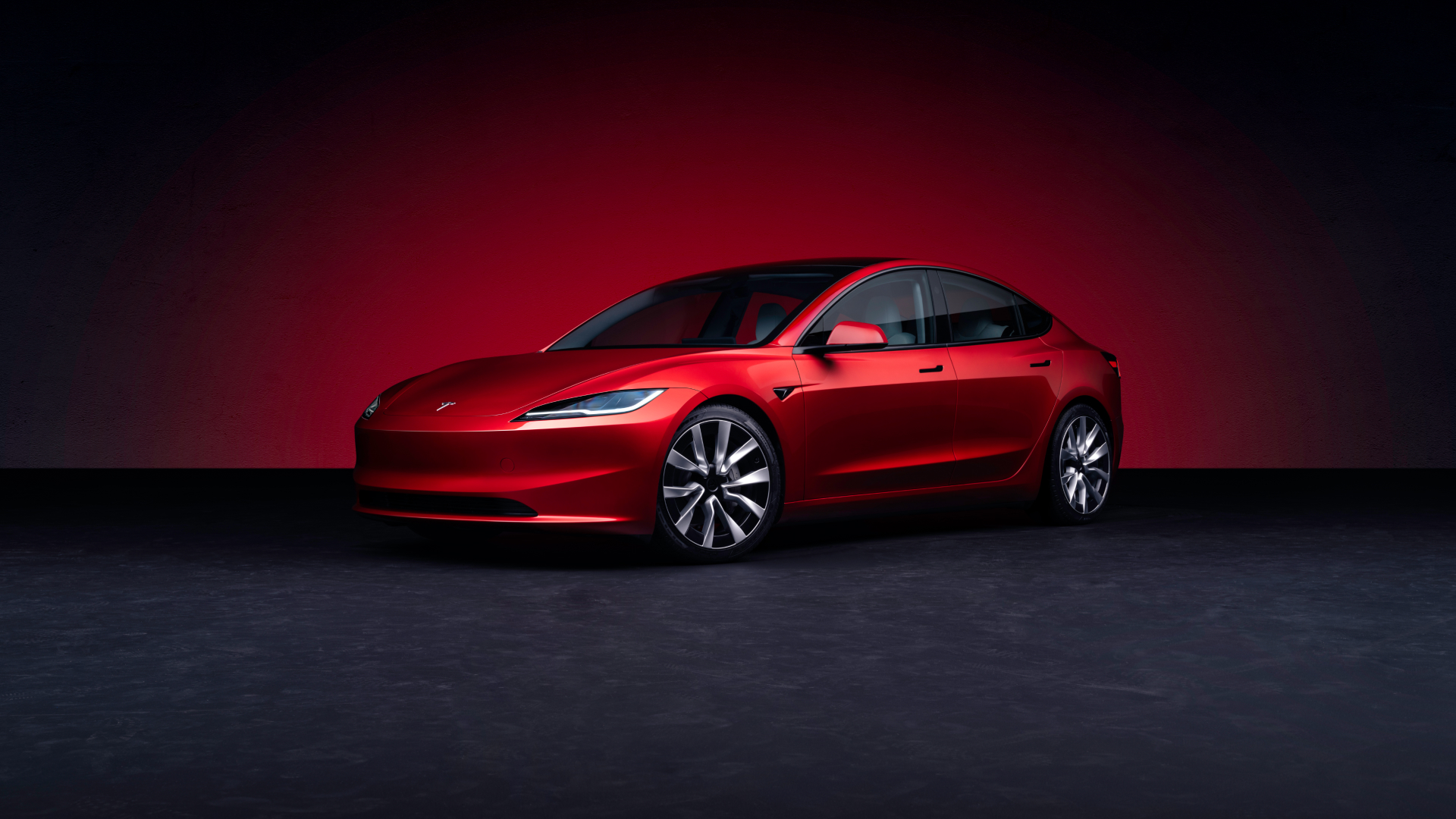
Just days after Tesla launched its refreshed Model 3 Highland in Canada, a new policy wrinkle threatens to limit how many of those popular Chinese-built EVs can reach local driveways. Canada’s plan to reopen the door to Chinese-built electric vehicles is already presenting a problem for the government: Tesla may be too successful for its own quota system. The federal government is now reportedly considering a cap that would restrict the automaker’s share of a 49,000-unit import quota, a move that could reshape the competitive landscape for electric vehicle buyers and investors alike.
The Quota Conundrum: Why Tesla’s Success Is a Problem
Canada’s import quota for Chinese-built EVs, designed to manage market access and protect domestic manufacturing, was intended as a balanced policy tool. However, the explosive demand for the Model 3 and Model Y from Tesla’s Shanghai Gigafactory has overwhelmed initial projections. According to industry sources, Tesla could easily consume the entire 49,000-vehicle allocation within months, leaving zero room for other automakers like BYD, NIO, or MG to enter the Canadian market. This has forced regulators to consider a per-company cap, effectively penalizing Tesla for its superior supply chain and pricing advantage.
What This Means for Canadian EV Buyers
If the cap is enforced, Canadian consumers will face immediate consequences. Tesla’s Chinese-built vehicles are typically priced 10-20% lower than their U.S.-made counterparts, making them a critical option for budget-conscious EV adopters. A quota limit could lead to longer wait times, potential price hikes, or a shift to more expensive variants sourced from Fremont or Berlin. For other EV makers, the cap represents a rare window of opportunity—but only if they can ramp up production and logistics to fill the gap left by Tesla’s constrained supply. Meanwhile, investors should watch closely: any sign of a hard cap could pressure Tesla’s Q3 2024 delivery numbers in North America, a key metric for the stock’s near-term performance.
Broader Implications for Tesla Owners and Investors
For current Tesla owners, the quota cap may inadvertently boost resale values for Chinese-built models already in Canada, as scarcity drives up demand in the secondary market. For investors, the policy introduces a new layer of geopolitical risk. Tesla’s ability to leverage its Shanghai factory for global exports has been a core competitive advantage; restricting that flow to Canada could force the company to reallocate inventory to other markets like Europe or Australia. Conversely, a softer cap—or an exemption for Tesla—would signal that Canada prioritizes affordable EV access over protectionist measures, a bullish sign for the entire sector. Either way, the next few weeks will be pivotal as Ottawa finalizes its regulatory framework.