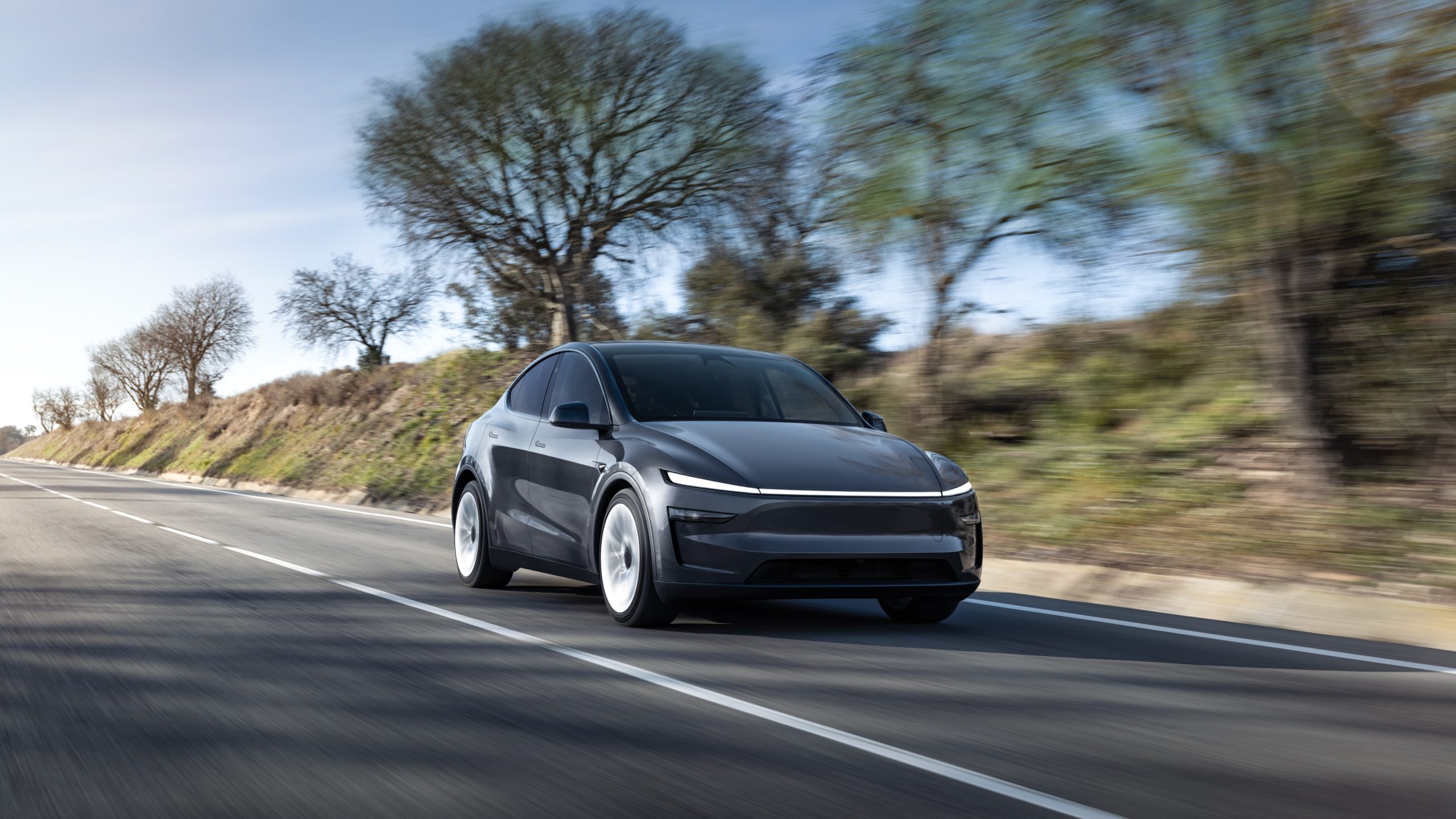
Tesla has once again rewritten the record books in South Korea, cementing its position as the nation’s top imported car brand with an unprecedented sales performance in April 2026. The American electric vehicle maker not only held its crown but smashed its own monthly sales record, signaling a seismic shift in consumer preferences within one of the world’s most competitive automotive markets. This milestone underscores Tesla’s growing dominance over legacy luxury imports like BMW and Mercedes-Benz, as South Korean drivers increasingly embrace electric vehicles over traditional internal combustion engines.
Record-Breaking April Sales Figures
According to data from the Korea Automobile Importers and Distributors Association (KAIDA), Tesla registered 4,857 new vehicles in April, eclipsing its previous all-time high set just months earlier. This figure represents a staggering 45% increase compared to the same month last year and puts Tesla far ahead of second-place BMW, which sold approximately 3,200 units. The Model Y was the clear standout, accounting for nearly 70% of Tesla’s total volume, driven by aggressive pricing and the launch of the updated “Project Highland” variant in the region. Industry analysts note that Tesla’s direct-to-consumer sales model, combined with South Korea’s expanding EV charging infrastructure, has created a perfect storm for the brand.
Strategic Pricing and Local Incentives Fuel Growth
Tesla’s success in South Korea is no accident. The company has strategically slashed prices multiple times over the past year, making the Model 3 and Model Y more affordable than many comparable gasoline-powered luxury sedans. Crucially, Tesla vehicles now qualify for maximum government subsidies in several major cities, including Seoul, thanks to their competitive pricing and high battery efficiency ratings. This has dropped the effective purchase price of a base Model Y to under 50 million Korean won (approximately $38,000 USD)—a price point that directly undercuts the BMW X3 and Mercedes-Benz GLC. The result is a flood of new orders from both individual consumers and corporate fleets looking to reduce their carbon footprint.
Implications for Tesla Owners and Investors
For current Tesla owners in South Korea, this record performance translates to improved resale values and a rapidly growing network of service centers and Superchargers, as Tesla allocates more resources to the region. Investors should view this data point as a strong bullish signal. South Korea is often seen as a bellwether for premium EV adoption in Asia, and Tesla’s ability to outpace entrenched German rivals in their own luxury segment demonstrates the power of its vertically integrated business model. However, the company must remain vigilant: domestic automakers like Hyundai and Kia are aggressively launching new EVs, and any future subsidy changes could temper demand. For now, Tesla’s South Korean momentum shows no signs of slowing, offering a compelling case study in how price cuts and brand loyalty can drive exponential growth in a mature automotive market.
![NeuroHUD: The Heads-Up Display Tesla Forgot [Kickstarter Deal]](https://driveteslacanada.ca/wp-content/uploads/2026/05/HeroPage-Large.jpeg)