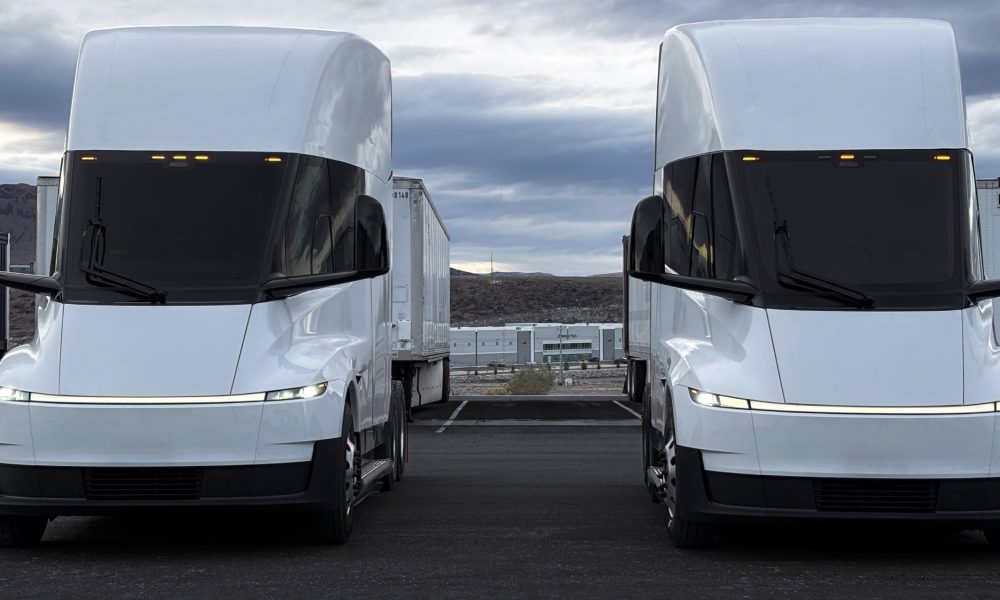
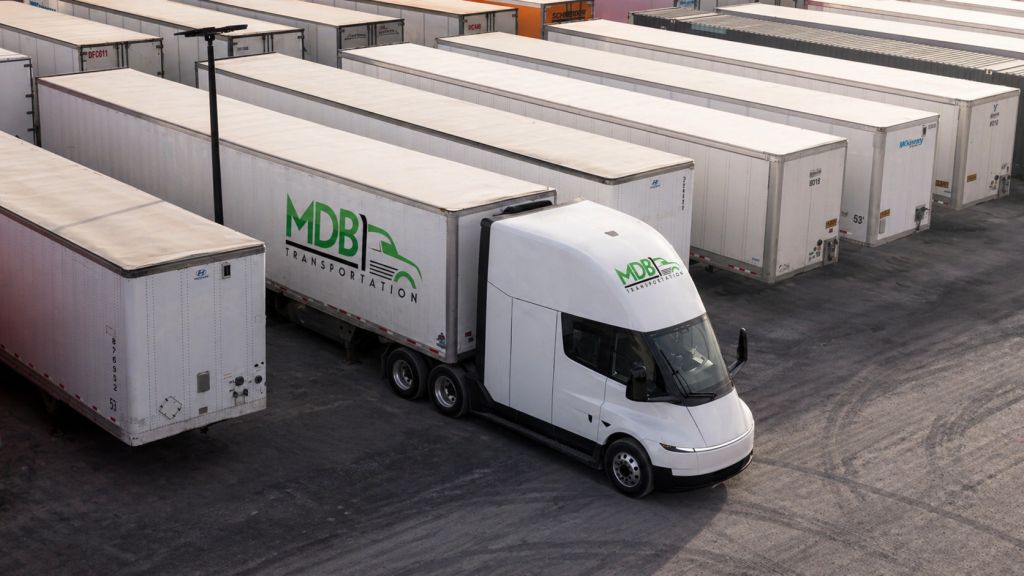
After years of anticipation and limited production runs, the veil has finally been lifted on the Tesla Semi's price tag, and it's a substantial figure aimed squarely at the heart of the commercial freight industry. According to a report from Electrek, Tesla is now quoting customers $290,000 for the 500-mile Long Range version of its all-electric Class 8 truck. This pricing, corroborated by data from California's Hybrid and Zero-Emission Truck and Bus Voucher Incentive Project (HVIP), provides the first concrete look at the investment required to deploy what Tesla promises will be a revolutionary vehicle in long-haul transportation.
A Premium Price for a Promised Revolution
The quoted figure firmly positions the Tesla Semi as a premium offering in the heavy-duty truck market. For context, a new diesel-powered semi-truck typically ranges from $150,000 to $180,000. The Tesla's near-$300,000 sticker price represents a significant upfront premium. However, this cost must be evaluated against Tesla's core value proposition: drastically lower operating expenses. The company has consistently touted the Semi's potential for immense savings on fuel and maintenance—the two largest cost centers for fleet operators. The economic equation, therefore, hinges not on the purchase price alone but on the total cost of ownership over the truck's lifespan, where electricity costs and reduced mechanical complexity could close the gap.
Incentives and the Path to Commercial Viability
The role of government incentives becomes critical at this price point. The confirmation via California's HVIP program is telling, as this initiative provides substantial vouchers to offset the cost of clean commercial vehicles. With federal tax credits potentially adding further relief, the effective price for qualifying fleets could be considerably lower. This strategic pricing suggests Tesla is initially targeting environmentally progressive states and large, sustainability-focused corporations with the capital to invest in long-term savings and carbon footprint reduction. The success of this initial push will be crucial for scaling production and potentially lowering costs through economies of scale in the future.
For the broader EV and trucking industries, the Semi's official pricing sets a clear benchmark. It validates that long-range, heavy-duty electric trucks are a high-capital endeavor with technology costs that are still being amortized. Competitors like Freightliner, Volvo, and Nikola will now be measured against this price-performance metric. The key question for all manufacturers remains whether the operational savings can convincingly outweigh the steep initial investment for the average fleet manager, not just the early adopters.
Implications for Tesla's Ecosystem and Investors
For Tesla owners and investors, the Semi's market entry is about more than just a new vehicle. It represents a massive potential catalyst for Tesla's energy division. Each Semi is a megawatt-scale battery on wheels, and widespread adoption would necessitate an exponential expansion of Tesla's Megacharger network and Megapack installations for depot charging. This creates a synergistic loop, driving growth across Tesla's business segments. Investors will now watch closely for order volume from major fleet operators and the ramp-up of production at Gigafactory Nevada, as the Semi transitions from a prototype marvel to a volume-produced profit center.
The $290,000 quote makes Tesla's ambition in the freight sector unequivocal. The company is not competing on price but on a fundamentally different economic and operational model. The coming years will test whether the industry is ready to pay a premium today for the promise of a cheaper, cleaner tomorrow. The success or failure of this bet will not only shape the future of Tesla but also the pace of decarbonization for one of the global economy's most critical—and polluting—industries.