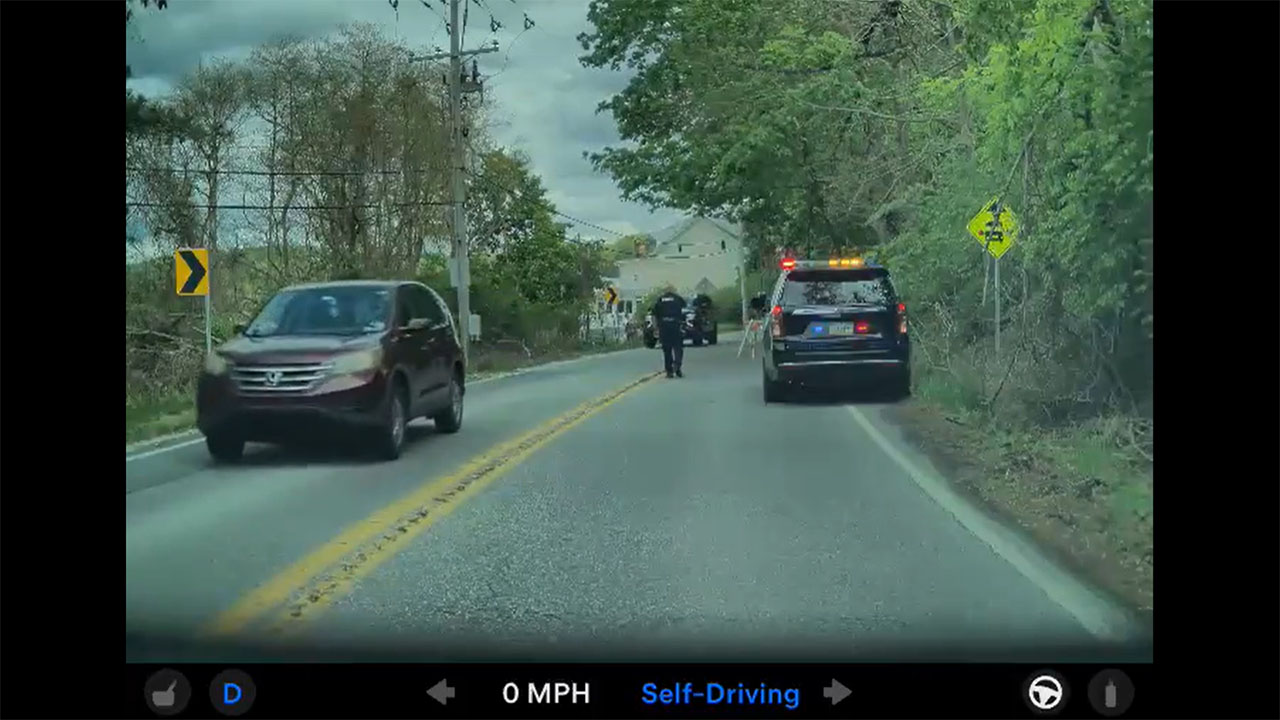
For the second time in as many months, Tesla has successfully petitioned federal regulators for more time, delaying a critical deadline in a high-stakes safety investigation. The National Highway Traffic Safety Administration (NHTSA) has granted Tesla an extension until March 9, 2026, to submit a comprehensive trove of data related to traffic violations and crashes involving its "Full Self-Driving" (FSL) system. This move underscores the immense complexity—and potential legal sensitivity—of the agency's probe into whether the advanced driver-assistance software introduces an unreasonable risk to road safety.
A Deepening Investigation and Mounting Data Demands
The NHTSA's investigation, formally known as an Engineering Analysis, is a pivotal step that can precede a mandatory recall. Initiated in 2021, it focuses on 956 specific crash incidents where FSD Beta software may have been a factor. The agency's latest and most expansive information request goes beyond simple statistics, demanding detailed Event Data Recorder (EDR) logs, Controller Area Network (CAN bus) data, and associated video footage. Compiling and redacting this volume of technical data from a vast fleet of vehicles is a monumental task, a point Tesla emphasized in its request for an extension. The original deadline was January 19, which was first pushed to February 20 before this latest, far longer extension was granted.
What Tesla's Delays Signal to Regulators and the Public
While Tesla cited the sheer scale of the data collection and necessary "quality control" reviews as reasons for the delay, the repeated extensions inevitably fuel speculation. Industry observers note that the preparation of such data is not merely an administrative exercise; it involves legal review and strategic considerations regarding what the information reveals about FSD's performance in edge-case scenarios. Each requested video and data file could serve as evidence in the NHTSA's determination of FSD's safety. The agency's swift agreement to the extension suggests it is prioritizing a complete, accurate dataset over a rushed submission, but it also prolongs a period of regulatory uncertainty for the company.
The implications of this investigation extend far beyond bureaucratic deadlines. For Tesla owners and investors, the prolonged scrutiny is a stark reminder that the path to truly autonomous driving is paved with regulatory hurdles. A negative finding from NHTSA could lead to costly recalls, mandated software limitations, or significant restrictions on FSD's operational capabilities. Conversely, a resolution that satisfies safety regulators could bolster public and investor confidence in Tesla's long-term autonomy vision. In the interim, the delays keep a cloud of unresolved questions hanging over one of Tesla's most technologically ambitious and revenue-promising features.
Ultimately, the clock is still ticking toward March 2026. The data Tesla finally submits will provide the most concrete evidence yet for regulators to assess the real-world safety of FSD. How Tesla navigates this process—and what the data ultimately shows—will be a defining chapter for the future of its autonomous driving ambitions and for the broader EV industry's relationship with oversight bodies.